

The 1776 to 1976 quarter looks like pocket change, and for most of them that is exactly what it is. A post from @thediggindave starts with the line “1776 to 1976 quarter is ordinary” and then drops the twist.
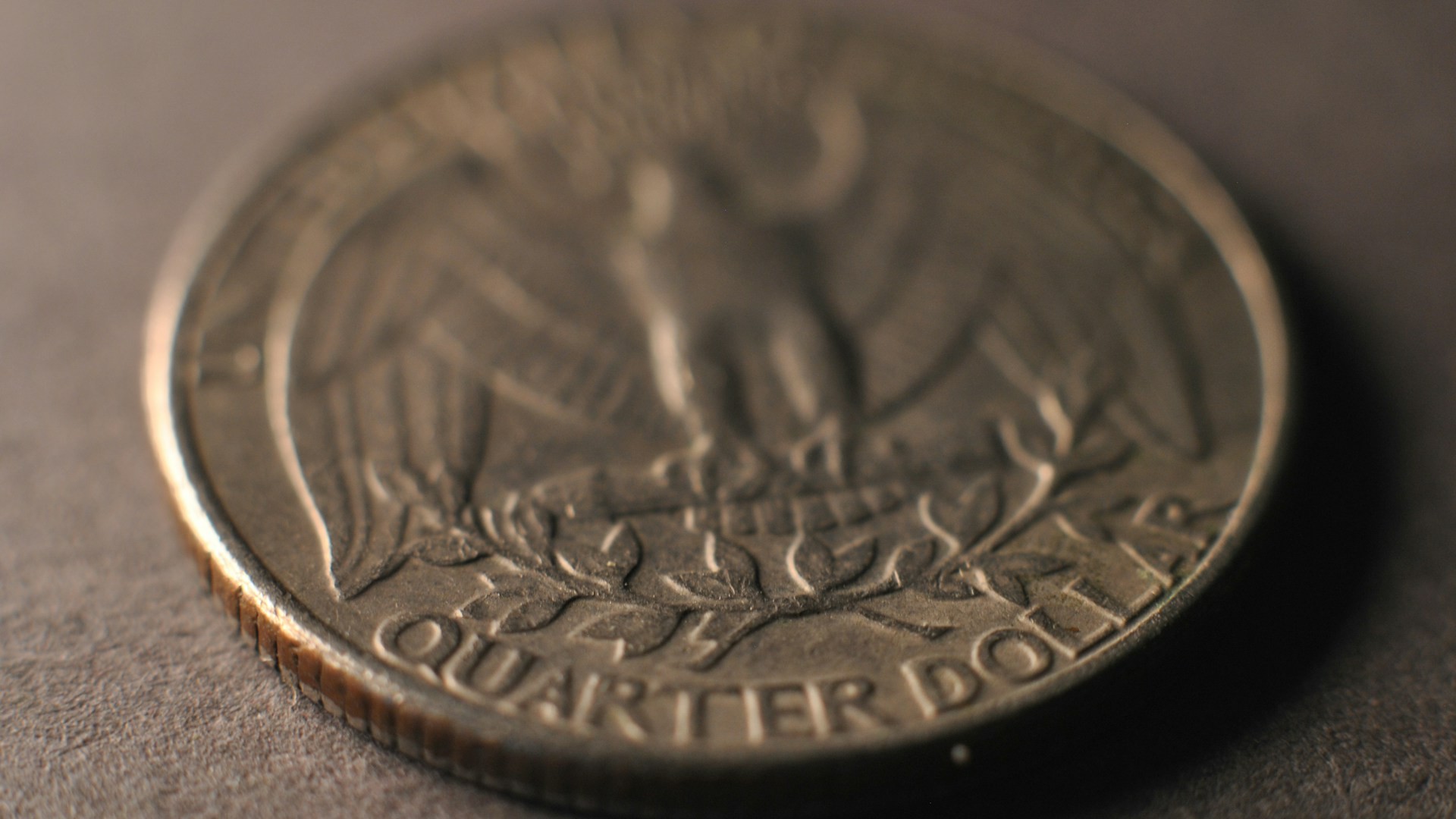
A silver MS69 dual date version, with the drummer boy on the back, sold for more than $19,200.
View this post on Instagram
What Makes This Quarter Special
The coin carries two dates, 1776 to 1976, in honor of the 200th anniversary of American independence. The back shows a drummer boy, a design that replaced the usual eagle for the Bicentennial.
Millions were struck for everyday use, which is why the coin feels so familiar. Many people have one in a jar, a drawer or an old coin purse. Most of those are worth face value.
Silver MS69 Is Where The Money Is
The coin in the post is silver, and it carries a grade of MS69. MS stands for “mint state,” meaning the coin was never used in circulation, and the number comes from a 70-point scale used by grading services. A 69 is just one step below perfect, and coins at that level are very hard to find.
That combination of silver content, a near-perfect grade and a popular design is what the post says pushed a sale past $19,200. Condition drives the price, so two coins that look nearly identical to the naked eye can sell for wildly different amounts.
Why Silver Versions Are Different
The Bicentennial quarters made for regular spending were copper and nickel. Silver versions were produced for collectors, sold in sets rather than handed out in change. If your coin came out of a cash register or a coin roll, odds are it is not silver.
You can run a quick test. Silver-clad coins show a plain, light edge with no copper stripe, while the common version shows a copper-colored band on the edge. Many silver coins also weigh a little more than regular clad coins.
Don’t Rush To Clean That Coin
If you find an old quarter and think it might be special, put the polish away. Cleaning a coin scratches the surface and strips the natural look that collectors want, and it can wipe out most of the value.
Hold coins by the edges, keep them in a soft holder or a coin flip, and store them in a dry place. Never rub a coin with a cloth or a metal tool.
How To Check What You Have
Start with the date and the back. A dual date and drummer boy tell you it is a Bicentennial piece. Check the edge for the copper stripe, and look for a small mint mark near the date, which can point to where the coin was made.
If it seems promising, bring it to a reputable coin dealer or a local coin club. A professional can tell you whether it is worth a trip to a grading service. Be wary of anyone who offers a price before examining the coin.
What The Grades Mean
The grading scale runs from 1 to 70. Coins graded MS60 through MS70 are uncirculated, with higher numbers meaning fewer marks and a brighter surface. The top grades are scarce, because even new coins pick up tiny nicks as they travel through bags and machines.
That is why an MS69 coin can bring a premium over an MS65, even though they look close. Collectors pay for rarity, and almost perfect is rarer than good.
Where Common Coins Still Get Interesting
Coin collecting is full of stories like this one. A coin that looks plain can hide a rare variety or a top grade. Searching rolls, jars and inherited collections is a hobby that keeps paying back in thrills.
Keep in mind that most Bicentennial quarters sell for little. This sale is the headline-grabbing exception, not the rule. Expect the typical coin to be worth just a quarter, and enjoy the history anyway.
Common Coins That Hide Surprises
Bicentennial quarters are one of many everyday coins that can hide something better. Collectors also look for errors, such as doubled lettering, off-center strikes and coins struck on the wrong metal. A magnifying glass and good light make a big difference.
Start with a small pile and look at each coin slowly. Sort by date, set aside anything odd, and check a current price guide before you decide what to do. It is a calm hobby that anyone can pick up, and it costs almost nothing to begin.
Selling Without Getting Burned
If you do have a valuable coin, sell it through a trusted dealer or a well known auction house. Ask about fees, shipping and insurance, and get a second opinion on the grade if the amount is large.
Keep records of what you paid, where you bought it and the grading certificate number. Good paperwork builds buyer confidence, and it makes the sale go smoothly.
The Takeaway For Coin Hunters
Check what is in the jar before you spend it. The shine of a high grade and the glow of silver can turn a quarter into a big payday, though the odds are long.
Thanks to @thediggindave for sharing the numbers. If you have a stash of old coins, take a closer look this week.
More Stories You May Like
- Mario Kart 64 Finally Gets Rumble Pak Support 30 Years After Release Through A ROM Hack, With A Smooth Sand Version For Players Tired Of Gripping The Controller On Koopa Troopa Beach
- Donkey Kong Artwork With Mario’s First Appearance Was Marked For Disposal Until A Former Nintendo Employee Saved It And It Just Sold For $329,400
- Jason Voorhees Gets A 13th Friday The 13th Movie In 2027 Nearly 20 Years After His Last Big Screen Outing, And The Director Who Gave Him The Hockey Mask Is Back

Leave a Reply