

This ordinary looking coat sold for almost $2,000. That is how reseller Lee Meier opens a video on The Empowered Reseller, and it is the kind of line that makes every thrifter want to run back through the racks.
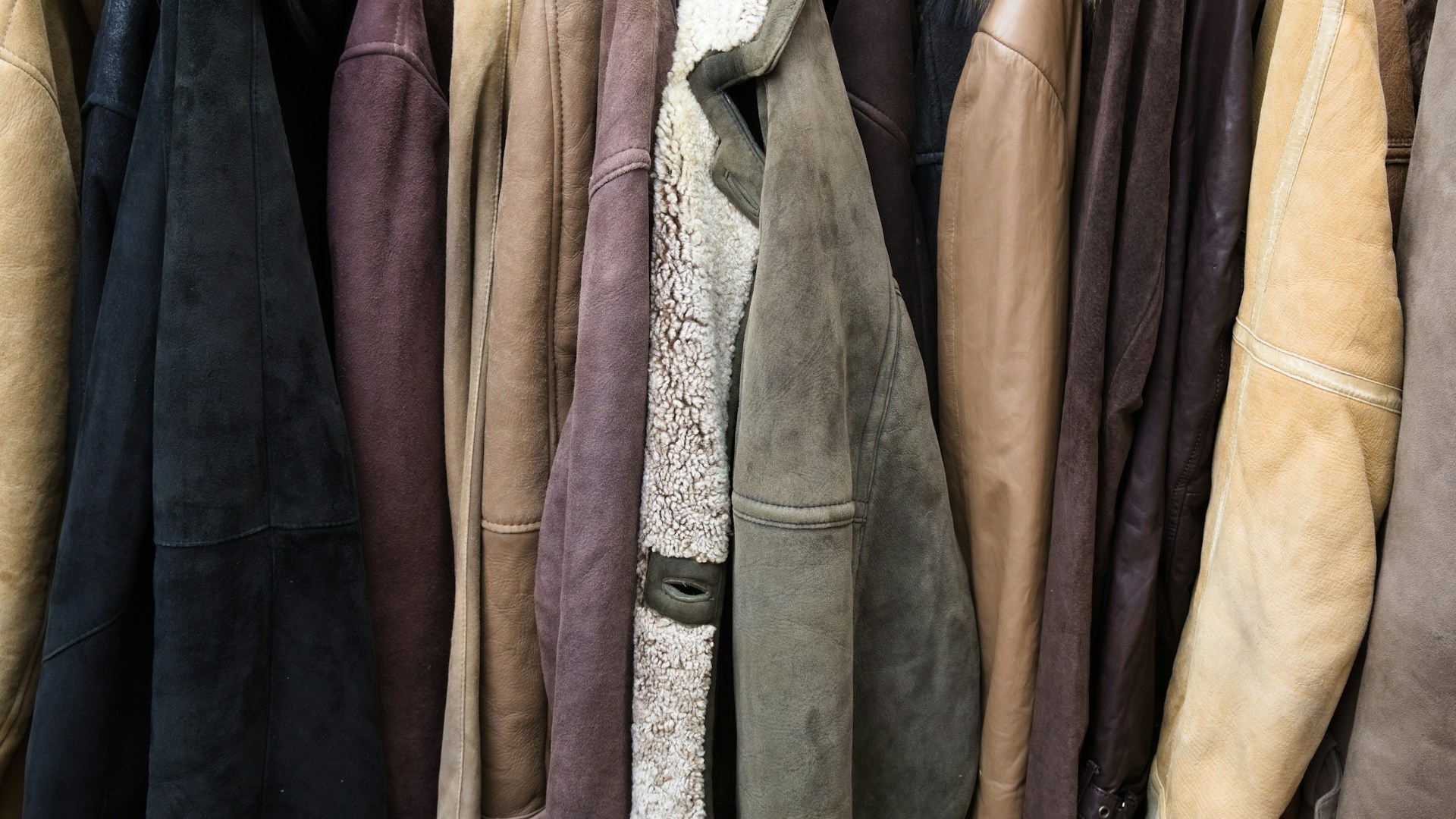
Lee says he has made well over a hundred thousand dollars in net profit flipping used clothes online. His biggest lesson? Some of the most ordinary looking items turn out to be surprisingly valuable, and a lot of resellers walk right past them.
The Almost $2,000 Eddie Bauer Coat Was Not Valuable Just Because Of The Name
The coat is an Eddie Bauer, but Lee is quick to say the tag is not the reason it sold. It is vintage, and it is a rare style with a fisherman type look.
It even has an unusual wool or sherpa-like piece on the outside of the fabric. Lee says he will not pretend to know exactly what it does, except that it is meant for fishing. He says that kind of detail tells you right away this is not just an ordinary down coat.
His point is simple. Look at the details, not only the brand.
A Reversible Jacket With No Label Is Where Many Resellers Give Up Too Soon
Lee shows an L.L.Bean Warden’s Parka that sold for $118. The model name matters, he says, because buyers search for that exact style.
Then there is a Lands’ End reversible down jacket that sold for $75. This is the one he wants people to remember. When you check the usual spot at the neckline, there is no label at all, because the label sits on the other side.
With reversible pieces, he says, the brand tag is sewn into the pocket. He has watched many resellers pick one up, see no label and move on. “If you’re only checking the neckline and moving on, you could be missing a valuable item.”
Plain Blank Sweatshirts Bring $480 When Nothing On Them Screams Expensive
Then Lee gets to what he calls one of the strangest categories, where there may be almost nothing on the item at all. Blank sweatshirts. A Healthknit sold for $480, and an unbranded vintage sweatshirt sold for $200.
There is no giant graphic, no designer logo and no wild embroidery. Vintage blanks simply have their own market.
So instead of asking whether you recognize the brand, he says to look at the whole item. Does it seem older? What does the tag look like, and where was it made? How does the fabric feel and how is it built? Older pieces are constructed differently, and that is often where a $100 and higher price comes from.
Worn Out Corduroy Shorts Sold For $180 Even With A Tag Nobody Could Read
Next up are corduroy shorts. A pair from Ocean Pacific sold for $180, and the tag was so worn you could barely read it. Lee says a worn tag does not make an item worthless. Often it means the item is older.
A pair from Polo sold for $150, and a Quiksilver pair sold for $99. Nothing about them looks expensive on the rack. But once you have seen them, you know what to slow down for next time: a vintage surf look, a shorter inseam, older tags or an unmistakable retro style.
He keeps repeating that he does not want anyone memorizing exact items. He wants people noticing clues.
A Tiny Woolmark Logo Led To A $255 Sweater, And Mohair Did Even More
One clue is fabric. An all wool sweater sold for $255 at full price, and Lee points to the Woolmark logo on the content tag. If you have never noticed that symbol, he says, start looking for it. It tells you the item is made of wool and meets the Woolmark standard.
A Milwaukee knit mohair sweater sold for $229, and he says buyers search for mohair. An L.L.Bean Birds Eye sweater, named for its repeating little knit pattern, went for $200.
Wool, mohair, vintage styling and a desirable knit add up. None of them guarantees a $200 sweater, but together they give you a good reason to stop and research what similar items have sold for.
Old Nightgowns And Nightshirts Sell Because You Are Not The Customer
Lee says he would never have looked twice at sleepwear when he started. But a men’s nightshirt made in Italy sold for $69 and sold quickly. An Olga nightgown sold for $226, and a Nordstrom nightgown sold for $135.
Many people pass sleepwear by because they assume nobody wants it used. Lee says there is a real market, especially for vintage pieces. The habit to break is asking, “Would I wear this?” The better question is whether somebody else is looking for it.
Faded Canvas Bags And Plain Chore Coats Hide The Biggest Surprises
Canvas bags with leather trim can look old, faded and a little dirty, which sends many resellers straight to the not worth it pile. A Swiss military bag sold for $160, a Duluth Pack bag sold for $70 and an L.L.Bean duffel sold for $275. Military pieces often have no brand label, just an obscure marking.
Then come chore coats, one of his favorite categories because they look so plain. A Lee chore coat sold for $250, and an L.L.Bean one with a PrimaLoft lining sold for $85. Extra insulation, such as a zip-in or blanket lining, makes him more interested.
The shocker is a chore coat from a vintage brand called Pioneer that sold for $1,200 at full asking price. Old pieces like it may have no label at the neckline, but the brand shows on the outside.
Stack The Clues Before You Walk Past The Next Plain Rack Find
Lee ties it together. The Eddie Bauer coat did not sell for almost $2,000 simply because it said Eddie Bauer. The Pioneer coat did not bring $1,200 simply because of its name. And somebody paid $200 for a sweatshirt with no brand at all.
The more experience you get, he says, the less you rely on a single clue. You start stacking them. Is it vintage? Is the style unusual? Is there a model name? Is it reversible, or is there a hidden tag? Is it wool, mohair or down? Is it lined?
When you are out sourcing and something looks almost too ordinary to bother with, he suggests slowing down. Check the pockets for hidden labels, look at the construction and the lining, and notice the age.
“Sometimes the ordinary-looking coat is a $75 coat. Sometimes it’s a $118 coat. And sometimes it’s a $2,000 coat.”
How To Check A Plain Piece Before You Buy It
Once you spot a clue, a little homework protects your money. Search the exact item on a resale site and filter to sold listings, because asking prices only show what sellers hope for. Compare condition, size and details, since a stain or a missing zipper can change the price a lot.
Take photos of tags, pockets and any odd markings before you list. Buyers who search for a model name or a fabric will find you only if your listing uses those words, so write down every detail you noticed in the store.
More Stories You May Like
- J Mascis Says Thieves Followed Dinosaur Jr. And Stole A Trailer Load Of Vintage Fenders, And He Would Still Recognize Them All These Years Later
- Sotheby’s Faces A Challenge Over A $180 Million Van Gogh Days Before Its New York Sale, As Heirs Of Its Prior German Owners Say It May Have Been Sold Under Duress
- Lonnie Mack’s 1958 Flying V Opened At $300,000 Then Sold For $550,000 And Derek Trucks Is Already Playing It On Stage

Leave a Reply