

Look at any old newsreel from the 1950s and one thing jumps out right away. Men, women and children, everyone is wearing a hat. Then jump ahead to the early 1960s, and the hats are gone. The YouTube channel Warmbru Curiosity asks the question a lot of us have wondered about: what happened?
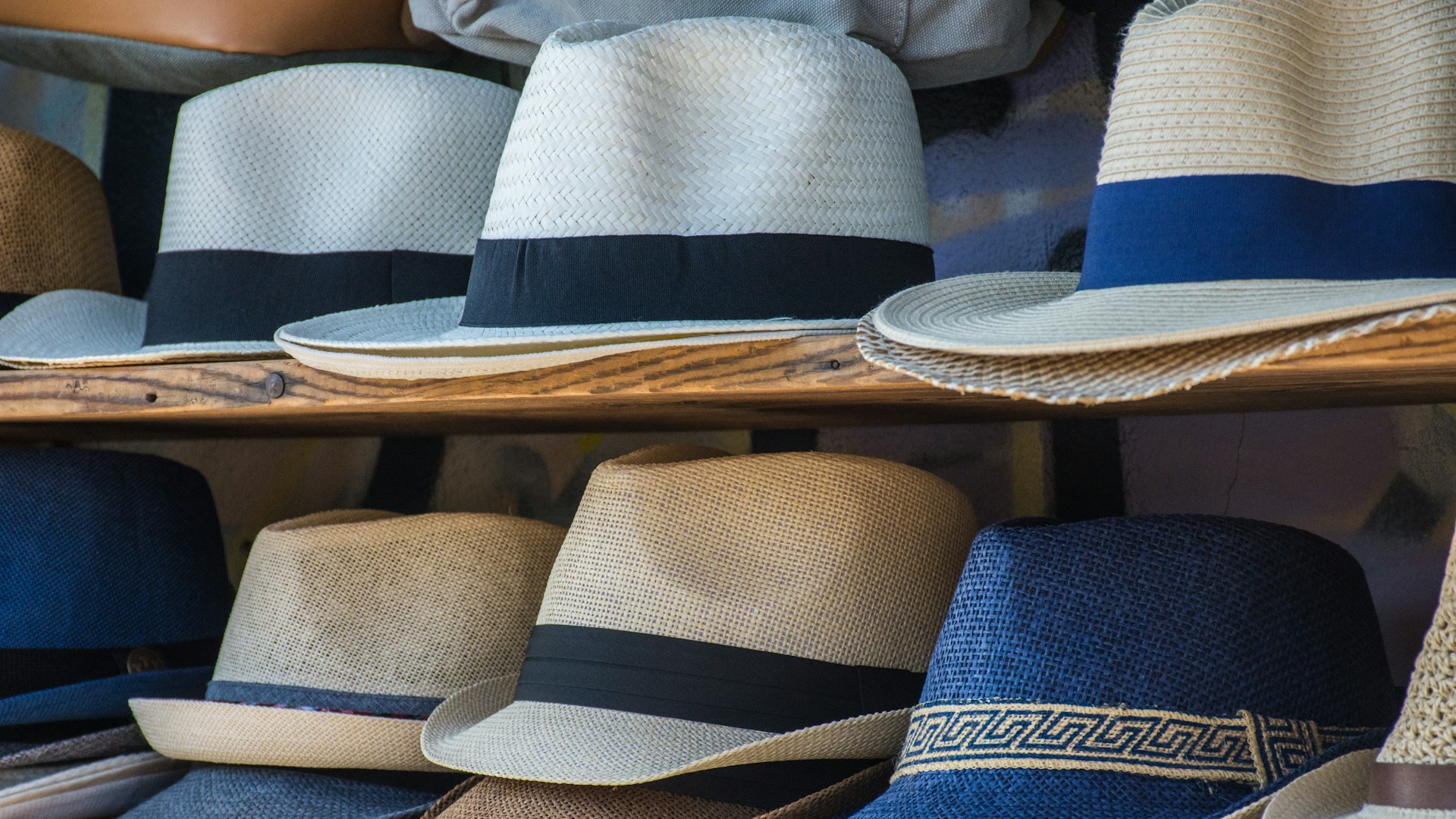
The answer is not one thing. It is a pile of changes, from cars to central heating to a certain famous band from Liverpool, that together took the hat off the American head in about a decade.
Old Newsreels Show Hats On Everyone In The 1950s
The footage from the 1950s is striking. Street scenes show men in brimmed hats, women in hats and children in hats, all going about their day. A hat was simply part of getting dressed, the way shoes are today.
By the early 1960s, people were going out hatless. The change was fast enough that you can see it in the footage from one decade to the next.
Think about what that meant day to day. A man once reached for his hat on the way out the door without a second thought. Within a few years, many of those same men were leaving it on the hook, and their sons never picked it up at all.
After The War, Showing Off Your Status Mattered Less
The first reason the channel gives is a change in attitude. After World War II, people cared less about showing off social status. A hat had been a way to signal who you were, and that mattered less.
At the same time, the youth culture of the 1950s and 60s began to rebel against formal dress codes. Young people did not want to dress like their parents, and the hat was one of the most obvious symbols of the old rules.
Cars And Better Heating Meant Less Time Outside
There was also a very practical reason. Cars and better heating and air conditioning meant people spent less time outdoors. A hat is useful when you are walking in the sun or the cold, and far less useful when you are riding in a heated car and stepping straight into a building.
A tall hat is also awkward in a car. Taking it off was simply easier, and fewer people put it back on.
The Myth That JFK Killed The Hat
You may have heard that President John F. Kennedy, elected in 1960, killed the hat industry by going without one. The channel says that is a myth. Kennedy did rarely wear a hat, but the idea that he single-handedly ended the trend does not hold up.
For one thing, he wore a top hat at his inauguration in 1961. For another, hat sales were already falling by then. He was a symbol of a change that was already under way, not the cause of it.
In 1963, The Beatles Shook Their Mop Tops
Then there is pop culture. In 1963, the Beatles shook their mop tops, and they were hatless. For teenagers watching, the message was clear. Hair was now the style, and a hat only covered it up.
Women’s fashion played a part too. Elaborate headgear clashed with the women’s liberation movement, which pushed away from the formal, dressed-up look that big hats stood for.
When The Hat Buyers Left, The Makers And The Salons Followed
The result was a business story. Fewer hat buyers meant that manufacturers closed. At the same time, demand for hair products and salons rose, since people now wanted to show off their hair instead of covering it.
In other words, the money that once went to hatmakers began to flow to hair care. It is a neat example of how one change in taste can reshape whole industries.
That is why this story is more than hat trivia. It shows how a whole country can change its habits in about ten years without anyone announcing it. No law, no rule, just thousands of small choices that added up to a new normal.
Will Hats Ever Come Back?
The channel ends on a hopeful note for hat lovers. Fashion is cyclical, it says, so hats may return. Styles that disappear tend to come back in a new form after enough time has passed.
If you grew up in the era of hats, you may remember a father who never left the house without his, or a mother with a special hat for church. If you did not, the old newsreels are a fun way to see how much everyday style can change in a single lifetime.
What Vintage Fans Can Take From The Story
For collectors, the shift explains why vintage hats from the 1950s and earlier are still so charming. They come from the last era when a hat was an everyday item, not a special-occasion accessory. If you find one in a thrift store, look at the lining, the label and the shape, which can tell you a lot about its age.
It also shows how many forces shape what we wear: cars, heating, music, politics and money all had a say. Next time you notice a style disappearing, remember the hat.
More Stories You May Like
- Fan Spent Decades Chasing Rare Beatles Pressings, Now Nearly 1,300 Records Including One Of An Estimated 250 Radio Promo Copies Of Please Please Me Hit The Market
- Collector Heads To Ohio Where Hotel Rooms Become Vintage Toy Shops, Then Haggles A $120 Mad Ball Down To $100 To Finish His Series One Set
- Couple Who Met Parking Cars At A Music Festival Opened A Rare Records Shop In A 1930s Brick House, And Customers Who Expect Little End Up Staying Two Hours

Leave a Reply