

Here is a thought that might make you sit down. The year 2006 is technically closer to the 1980s than it is to today, at least when you measure how much daily life has changed. That is the claim from the @RhettyforHistory channel, and the examples it rolls out are hard to argue with.
In just a couple of decades, the host says, the world has completely changed. It is easy to miss until you look back at all the stuff we owned 20 years ago and then quietly gave up.
So grab a cup of coffee, the old-fashioned kind if you can find the pot, and take a walk through the house of 2006.
The Bookshelf Went First, Then The Bookstores
Bookshelves are not completely gone, the host says, but they are dwindling thanks to digital media. The Kindle led the way and changed how we read. Many new homes are built without built-in bookshelves, and a good portion of libraries hold nowhere near the number of books they once did.
Then there are the stores. Waldenbooks, B. Dalton and Borders all closed their doors. When you add it up, he says, it is no wonder the bookshelf has been disappearing from living rooms.
The Mr. Coffee Machine Lost To A Pod And A Drive-Thru
Remember the old coffee commercials? Just about everyone who enjoyed coffee owned a drip maker that used ground beans and paper filters, with Mr. Coffee the name that comes to mind. Those machines have nearly vanished. People still drink plenty of coffee, but now they use a K-Cup machine or pick it up at a place like Starbucks or Scooters.
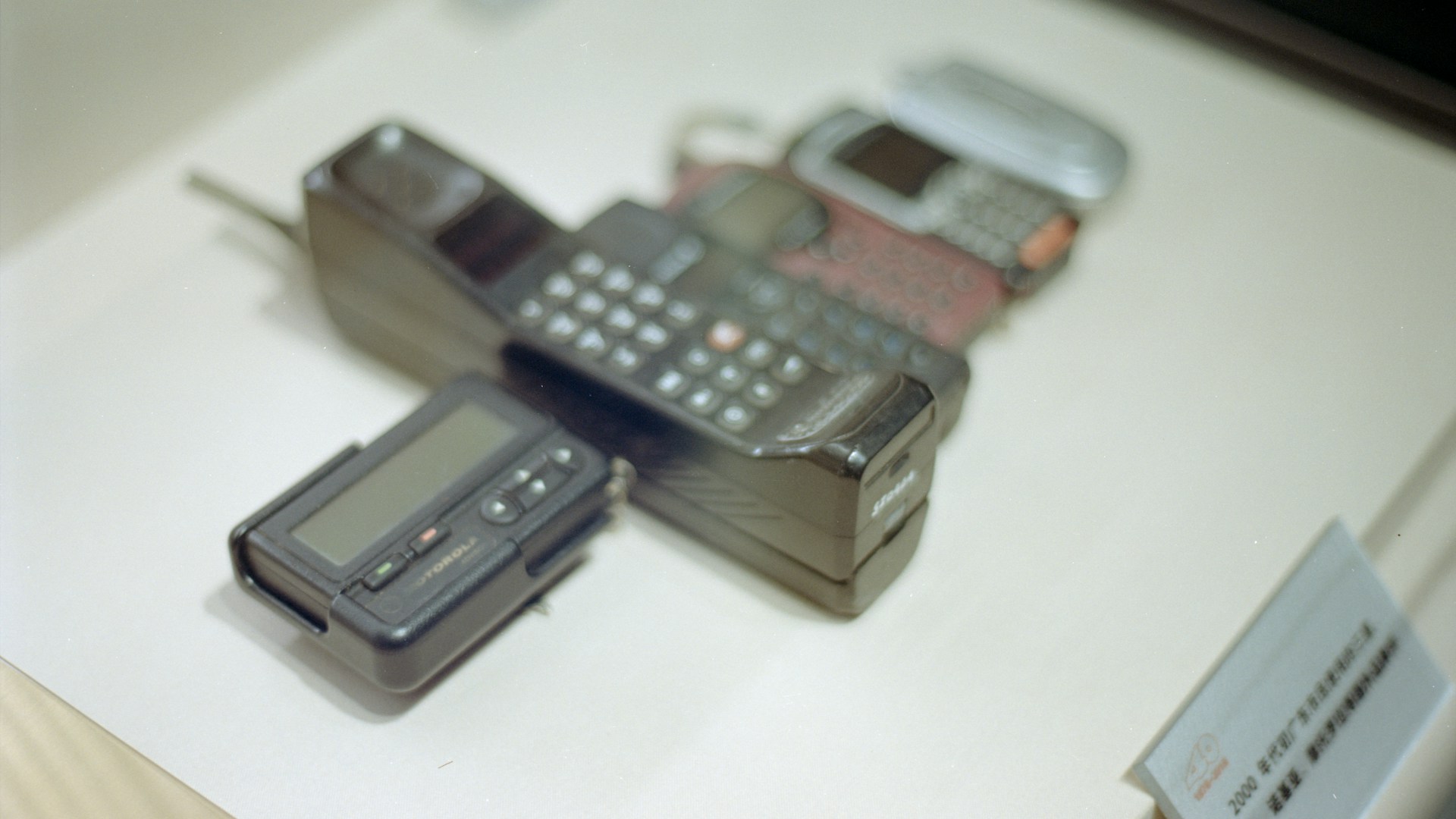
Phones and computers changed just as fast. Back then most people carried dumb phones like the Nokia, and yes, they played Snake. Desktop computers filled offices and homes, with CRT monitors, big tower cases, clunky keyboards and a mouse with a little ball inside that was perfect for pranks.
Cable, Antennas And The Day The Old TV Stopped Working
Twenty years ago you either had cable or you did not. If you wanted HBO, you had to pay for cable and add the premium channel, and cable was already getting out of hand on price. Folks without it pulled in local channels with an antenna, and those old televisions were plug in and go.
Today a TV pretty well needs internet or Wi-Fi. Older sets still work, the host says, but everyone was forced to convert to digital, and he remembers feeling sorry for older folks who were not technologically savvy.
Printers followed the same path. Many households once had one, connected to the computer by a cord, and today it is all wireless and far less used. The world has almost gone paperless, especially in offices, where signing and filling out forms now happens on a laptop or a phone.
A Four-Pack Of Incandescent Bulbs For Under A Dollar
Light bulbs may be the funniest example. The old choice was easy, 40, 60, 75 or 100 watts, and they all looked about the same because they were all incandescent. Since then we have moved through fluorescent bulbs and every shade of LED, with soft white, warm white, neutral and daylight, plus the color-changing options.
The host grumbles that incandescent bulbs may have burned more electricity, but they never promised to last 13 to 17 years. He says he has never had a new bulb last that long, and he feels the price of LEDs does not save as much as his four-pack of incandescents that cost under a dollar.
Takeout Menus, Phone Books And Those Coupons In The Back
Restaurants once handed out paper menus you carried back to the office or stuck in a drawer or on the refrigerator. Now nearly every menu is online. The phone book went the same way. Those huge books arrived each year, with white pages for residential numbers and yellow pages for businesses.
The host admits he misses one thing. The phone book had great coupons in the back, and he says he does wish those had survived.
From VCRs To Video Stores To Blockbuster
By 2006 most people had traded their VCRs for DVD players, and renting a movie from the local video store was a treat. Soon Netflix was sending DVDs through the mail, then streaming arrived and closed the stores. Hollywood Video and Blockbuster were among the greats we lost.
Remember the teachers who swore you would never have a calculator in your pocket? Today most people carry one on their cell phone, and the host says he wishes those same teachers could see it.
The Furniture That Got Kicked To The Curb
Big bulky televisions needed a home, and that is where the entertainment center came in, a large wooden piece usually in light oak that held the DVD collection too. A computer desk for the bulky computer was its twin. Both, the host says, were eventually kicked to the curb.
The rest of the list reads like a trip through your parents’ den: the home phone and answering machine you checked the second you walked in, the filing cabinet, the huge CD towers, the CD burner for mix discs, the fax machine with its dreaded screech, the china cabinet showing off dishes used once a year, the Rolodex, and the alarm clock with glowing red numbers and fake wood grain.
What To Do With Your Own Time Capsule
If your house still holds a few of these treasures, you are not alone. Plenty of people keep a phone book or an old Rolodex in a drawer out of habit. A simple way to sort them is to ask whether you used the item this year, and whether it holds a memory worth keeping.
Items that carry stories, such as a mix CD or a set of dishes from the china cabinet, can be kept on purpose and displayed. Things that only take up space, like an old printer and its cord, can be recycled. The host closes by asking viewers to share what other items from 2006 have vanished from our homes and cars, which makes a fun dinner table game for the whole family.
More Stories You May Like
- These 6 Videos Were Among The First Ever Played On MTV In 1981, And Some Of The Artists Might Surprise Younger Music Fans
- 8 Movie Soundtrack Albums That Sold Millions Of Copies, From The Bodyguard To Saturday Night Fever
- 7 Of The Most Valuable Records Ever Sold, From A One Of A Kind Wu-Tang Album To Rare Beatles Pressings

Leave a Reply