

That turquoise casserole dish in Grandma’s cupboard has survived decades of potlucks, holidays and one very busy kitchen. It would be a shame to lose it in a single careless minute.
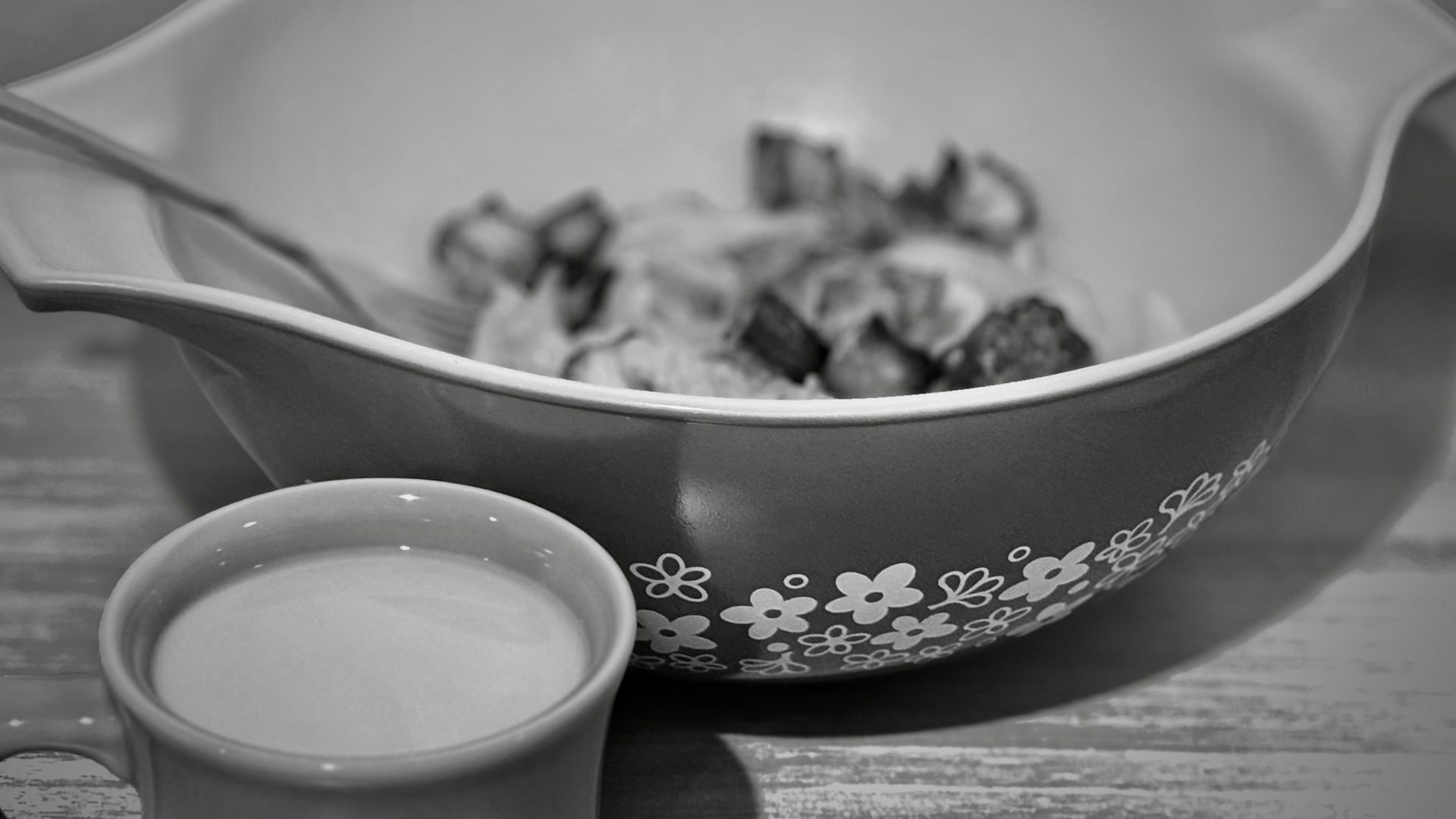
Vintage glass is not as tough as it looks, and a few simple habits make all the difference. Most of them cost nothing but a little patience.
The advice below comes from the care and damage pages of Pyrex Collector, a site that helps readers identify, clean, restore and use vintage collectible Pyrex glass kitchenware. Follow these 11 rules and your pieces have a much better chance of staying whole.
Never Pour Cold Water Into A Hot Pyrex Dish
The big hazard is thermal shock. Pyrex Collector warns against exposing hot Pyrex to cold or much cooler temperatures, such as pouring water into a hot bowl or pan.
The site says thermal shock can be “sudden, explosive, and potentially injurious.” That is not the kind of surprise anyone wants at the kitchen sink.
Never Plunge An Oven-Hot Dish Into Hot Dishwater
Even hot dishwater can be too much of a change. The site advises letting an oven-hot piece cool to room temperature before immersing it in even hot dishwater.
Patience is a kitchen skill, and your casserole will thank you for it.
Never Use Pyrex Ovenware On A Burner Or Under The Broiler
Pyrex Collector says never to use Pyrex ovenware on a stovetop burner or under a broiler.
If a recipe calls for browning the top, check the recipe for another way, because a glass dish and direct heat are a risky mix.
Never Set A Hot Pyrex Dish On A Wet Cloth
This one catches people every holiday. The site cautions against setting hot Pyrex on a wet cloth, because the sudden change in temperature can be dangerous.
A dry trivet or cooling rack is the safer choice. Pyrex Collector also notes that lids turned upside down can serve as trivets for their own dishes.
Never Microwave Clear Pyrex From The 1940s Or Earlier
Pyrex Collector says that besides Flameware, clear (post-1950) and opal pieces are for conventional ovens and microwaves only. Clear Pyrex from the 1940s and earlier should not be used in a microwave.
If you are not sure how old a clear dish is, a conventional oven is the safer bet.
Never Microwave A Dish With Gold Leaf Or Metallic Paint
Pyrex decorated with gold leaf or other metallic paint is not microwave-safe, according to the site. Many pretty vintage patterns include a golden band, so look closely before you heat up leftovers.
When in doubt, move the food to a plain plate.
Never Scrape With Metal Utensils
The site says never to scrape with metal utensils, especially on colored or decorated areas. Clean grooves and crevices with a wooden toothpick or bamboo skewer, and avoid metal.
The colors on your favorite dish took decades to survive. A spatula should not undo them in a minute.
Never Use Harsh Cleaners On Patterns And Colored Finishes
Pyrex Collector says household products that speed up cleaning are usually fine on bare glass interiors but may be harmful to patterns and colored finishes. For tougher residue on undecorated surfaces, mild abrasives like Bar Keeper’s Friend or a Mr. Clean Magic Eraser may work.
The site adds that you use them on colored but undecorated areas only at your own risk. Always wash with liquid dish soap and water afterward.
Never Wash Colorful Pieces In The Dishwasher
The site’s damage page describes dishwasher damage, caused by phosphate-based detergents used before they were removed for environmental reasons. It appears as a rough, faded, hazy look on colorware.
It can also shift the decoration’s color. The page states that dishwasher cleaning remains inadvisable for stripped pieces, and collectors show almost no interest in pieces with completely lost color or decoration.
Never Carry A Lidded Dish By Its Lid Or With One Hand
Pyrex Collector says lids do not fit tightly and can be slippery. Carry dishes and lids separately, or hold dishes with both hands when lids are on.
The site also reminds readers that Pyrex is not unbreakable, and when it breaks it tends to shatter into sharp, jagged shards. A dropped dish is a hazard to feet as well as to the collection.
Never Stack Nesting Bowls Upside Down Or Nest Same-Size Bowls
Pyrex Collector advises against stacking nesting bowls upside down in towers, since rims rub paint. It also says not to nest same-size bowls together or put larger bowls inside smaller ones.
Protect nesting bowls with paper coffee filters or paper towel between them, and use small pieces of soft foam rubber between lids and dishes to stop clanking. If you display your set, use sturdy shelving secured to a wall.
The site also notes that published price guides apply only to pieces in excellent condition. Chips, scratches and other damage can make even a rare piece worth far less.
If you inherited a set, a gentle wash by hand and a safe spot on a sturdy shelf will go a long way. Your family stories will taste just as good served on a dish that is still in one piece.
Treat your vintage Pyrex gently and it can go on feeding the family for another generation.
More Stories You May Like
- Vintage Dealer Says The Best Decorating Advice Is Buy Well And Buy Slowly Because Furniture You Keep Builds The Story Of Your Home
- She Spotted A Cheetah Print Top She Never Wears And Turned It Into A Trendy Keyhole Style With Bias Tape That Anyone Can Sew
- Feeling Nostalgic Can Make You Willing To Pay More A Peer Reviewed Study Found So Guard Your Wallet At The Antique Show

Leave a Reply