

A full set of six coffee cups and saucers in a sunny 1970s sunflower pattern was sitting in a British charity shop, and the price was £10. When the couple who found it held it up, one of them guessed they could probably double the money. The other said they could maybe get £30. That is a tidy markup for a pottery set that was likely sold for pocket change in the shop.
The pair are Tom and Terry, the full-time vintage thrifters behind the YouTube channel Thrifting with T. They travel in a camper van named Willy, hunting charity shops, flea markets and auction houses across the UK and Europe, and they sell their finds from a booth at Lucy’s Emporium in Norwich.
On this trip they drove through Norfolk, from the outskirts of Norwich to the market town of North Walsham, and stopped at nearly every shop on the way. Along the route they found a pottery set, a vintage denim jacket, a handful of belts with a surprise stamp on the back, and a few lessons about pricing.
The Briglin Set That Stole the Show
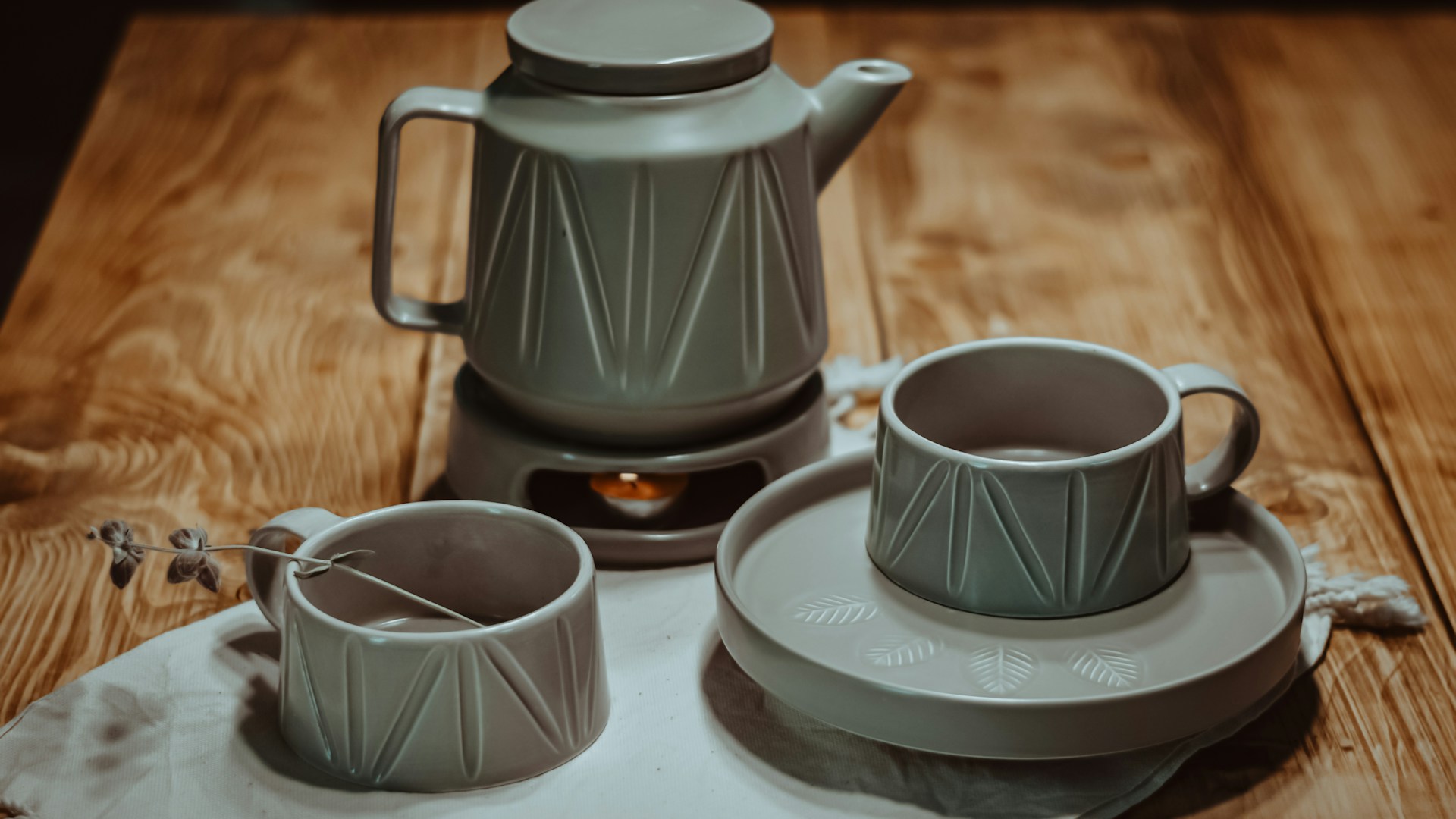
Briglin Pottery is a name collectors of British studio-style ceramics know well, and this set had the look. It was a six-piece coffee set with a sunflower design, and everything appeared to be there. Tom and Terry paid £10 for the whole thing.
When they got it home, they noticed what makes it special. The glaze on the cup is shiny, while the sunflower itself is matte. They guess the potters painted wax over the flower before glazing, which gives a lovely uneven finish. The saucers look good on their own, and even the underside of each piece is pretty.
In the shop, their first instinct was that a set from the 1970s at £10 could be doubled, perhaps to £25, and that they might even get £30 for it. Then they checked online and found a seller asking £32 for a single cup and saucer on Etsy. They called that unrealistic and a little greedy, and settled on listing the full set at £35.
Little Prices, Big Markups
The couple’s whole business depends on spotting things like that, and the trip was full of examples. At the community shop in North Walsham, items were 10p each. A studio mug with a twisted handle and no chips was only 50p, and they plan to price it at £5. They explain that studio mugs often sell for around that much, and they make quick sales.
A vintage Wrangler denim jacket, made in Malta and marked small, was £9.50 at a hospice charity shop. Looking at the details, such as the contrast stitching and an old paper tag, they judged it to be a 1970s piece. Online, the cheapest ones they found were about £45, and some went for over £100. They decided to try £45 for theirs, noting that the small size makes it a niche item.
A lightweight tunic with a paisley design and metallic stripes was £7.50, and they plan to ask £25. It is made in India, has a built-in lining for modesty, and they say it would be perfect for a Saturday night out.
Smaller bargains included a bright poppy picture for £3.50 that matched the vintage frames they had just bought, and a holographic foil picture that took them back to childhood at £1.50.
The Belts With a Secret
One of the most fun discoveries of the day was a set of PVC and vinyl belts, priced at £2 each. They sell belts regularly in their booth, and the thin ones had just sold out, so they grabbed the chunky ones they liked.
The belts looked nice, but it was the label that surprised them. Inside the shop it said “Aster,” and when they looked at it more closely at home, they found it was stamped “West Germany.” That meant the belts were likely from the 1970s, and they talked about raising the price from £6 to £10 each.
How Tom and Terry Decide What to Buy
The pair talk through each purchase out loud, and their thinking is useful for anyone who wants to resell. A few of their habits:
- They know their booth. Having just been to Lucy’s Emporium, they remember which items are slow movers, such as money boxes and certain crochet pieces, and they skip them.
- They look at what sells quickly. Pictures and little vintage frames are selling well, and a pair of frames went into the bag.
- They watch for the season. With Christmas close, they hunt for small festive items, and they noted that a set of bright red fondue plates sold the moment they put them out with other holiday pieces.
- They think about how people really live. A viewer comment reminded them that most people do not need a set of six or eight plates, so odd plates and pairs can find buyers for cakes and nibbles.
They also check labels and makers. A mug that looked like studio pottery turned out to be mass-produced, and a drinks trolley at a charity shop looked like a standard model rather than something special. Knowing the difference saves them from overpaying.
A Day Out on the Norfolk Coast
The trip was not all business. They stopped to chat with a local shopper, took photos of a red telephone box and the florist outside the community shop, and peeked into an old-fashioned sweet shop that made Terry remember buying a quarter of sweets as a child. They also picked up vegan sausage rolls and cakes at a craft bakery, and ended the day looking at the sea.
What stands out about their approach is that they do not chase every bargain. At the larger shops, Terry found Kathie Winkle plates at £2.50 each, but they paused over the used condition. A Norfolk-made pottery canister with a cork lid at £5 stayed on the shelf, since they did not think they could sell it for much more.
What You Can Learn From the Haul
If you want to try this yourself, the Briglin set is a good example. The ingredients are simple: a recognizable maker, a complete set, a low price and a bit of research. Check the underside of a piece for a stamp, compare the prices of sold items rather than asking prices, and start your listing a little under the highest figure you see. Tom and Terry priced the Briglin set at £35, below the ridiculous Etsy figure, so that it has a fair chance of selling.
And remember the other lesson from their day. Sometimes the best finds are the smallest. A £2 belt that turns out to be West German, a 50p mug, or a £9.50 jacket can do more for your shop than a single expensive purchase.
More Stories You May Like
- Brand New Metal Signs And Tins Made To Look Aged Are Flooding Flea Markets So Learn To Spot A Fake Before Paying Vintage Prices
- Costume Jewelry Passed Off As Bakelite Or Sterling Is Costing Vintage Shoppers Money And These Spot Checks Can Help
- Fake Vintage Band Tees Are Everywhere And Here Is How To Spot The Tag And Stitching Clues Before You Overpay

Leave a Reply