

Ask a dozen decorators for their best advice and you will get a dozen different answers. Paint the ceiling. Hang the art lower. Add a rug. But when a vintage dealer from @vintagekettlewells was asked for just one piece of guidance, the answer was beautifully simple: buy well, buy slowly.
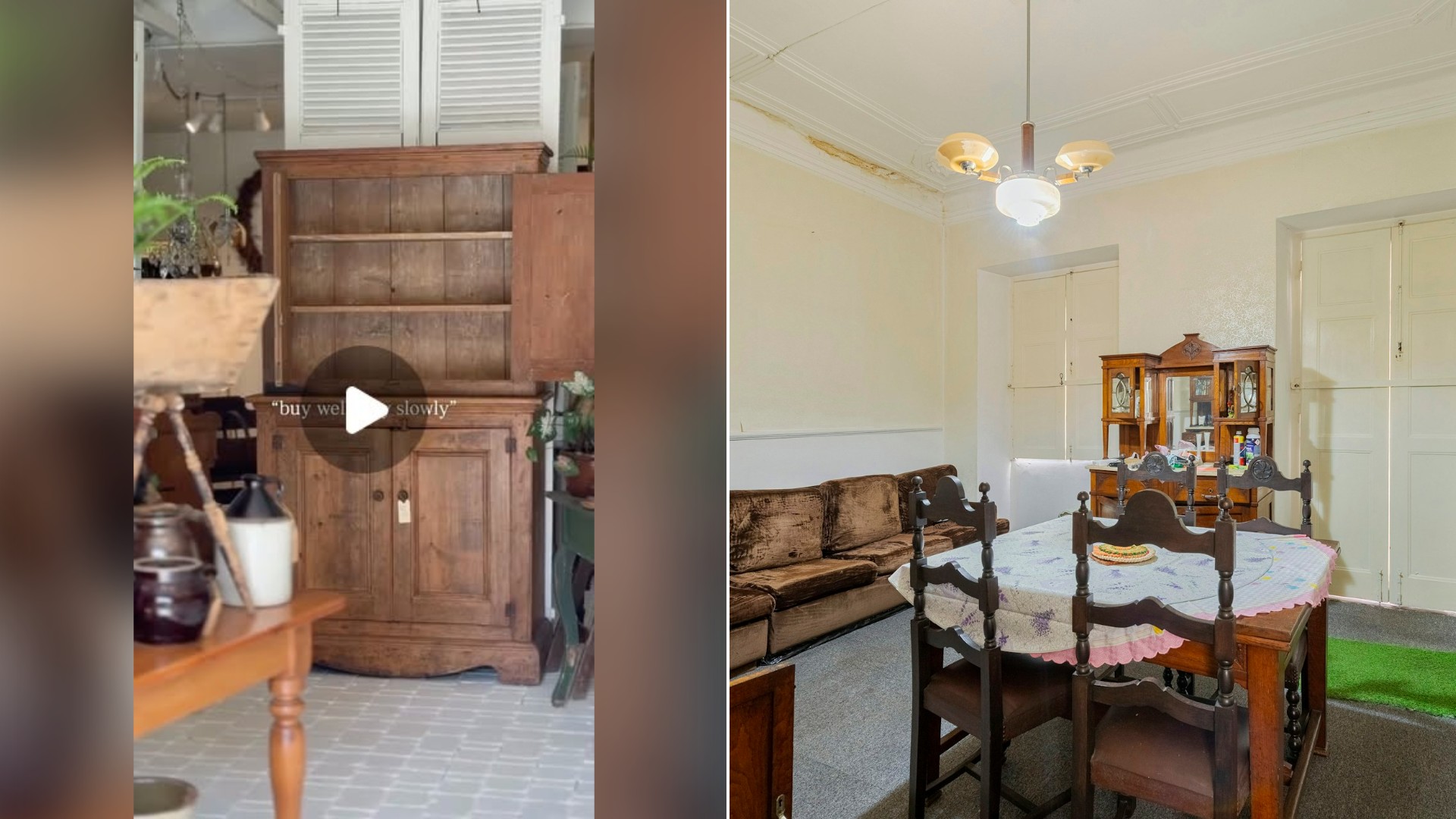
The idea behind it is that the things you choose should be things that will come with you forever. Not a trend, not a quick fix, not an impulse from a late-night scroll, but pieces that carry weight and meaning. Furniture, the dealer suggests, brings DNA and history into your house. It is a line that lands, because anyone who has inherited a grandmother’s table or a father’s chair knows exactly what it means.
View this post on Instagram
That mindset is the heart of the whole vintage world. A well-made old piece comes to your home with a past. It has been used, loved and often repaired, and it adds a layer of story that a brand-new item simply cannot provide. And the longer you live with it, the more of your own story it takes on.
What buying well really means
Buying well does not necessarily mean spending a lot. It means choosing quality, and paying attention to how a piece is made. Solid wood, good joinery, sturdy hardware and honest finishes tend to last for generations. A well-made old table can be refinished or repaired again and again, while many modern budget pieces are built to be replaced. That is one reason vintage and antique furniture can be such good value, even when the price tag looks higher at first.
It also means buying what you love. A piece you adore will be cared for, and a piece you merely tolerate will probably find its way to the curb. If something makes you smile each time you walk past it, that is a sign you have chosen well.
Why buying slowly works
The second half of the advice may be even more valuable. Buying slowly gives you time to learn your own taste and to see what your home actually needs. Many of us fill a room too quickly, grabbing matching sets or whatever is on sale, and then find that the space feels flat. A slower approach lets a room evolve. You might live with an empty corner for months before the right chair appears, and when it does, it fits.
Slow buying also protects your wallet. When you give yourself time, you can compare prices, research makers and wait for the right opportunity, instead of paying a premium for convenience. And it keeps you from filling your house with things you will have to get rid of later.
A practical plan for slow decorating
If you like this philosophy, here is a simple way to put it into practice:
- Start with a wish list. Write down what each room needs, such as a bookcase, a side table or a lamp, and measure the spaces.
- Collect inspiration without buying. Save pictures of pieces and rooms you love, and look for patterns in your choices.
- Visit shops, estate sales and flea markets regularly. Looking often trains your eye and shows you what fair prices are.
- Ask questions of dealers. Good ones love to talk about their pieces, and they can tell you how an item was used, how it was made and how to care for it.
- Inspect before you buy. Check joints, drawers, finishes and signs of repair, and ask about anything that seems unusual.
- Let a piece sit in your mind overnight if you are unsure. If you are still thinking about it the next day, it may be worth going back.
Building the story of a home
A home that has been furnished slowly tends to feel different from one that was bought all at once. It feels collected, a little personal and a lot more welcoming. Each piece has a reason for being there, and each one has a story you can tell guests: where you found it, who sold it to you, why you could not leave without it.
When to say no
Buying slowly also means having the courage to walk away. If a piece has a serious structural problem, a price that does not make sense, or a style that does not fit your home, let it go. There will always be another table, another lamp and another chair. The thrill of a vintage hunt is that the next great piece is probably just around the corner, and it will be there when you are ready.
Keep a few simple rules in your pocket: do not buy because you feel pressured, do not buy because it is cheap if you do not love it, and do not buy because someone else wants it. Buy because it speaks to you and because you can picture it in your home ten years from now.
That is exactly what the dealer is getting at. Furniture you keep builds the story of your home. So the next time you feel the urge to fill a room in a weekend, take a breath. Buy well, buy slowly, and let the history in. Credit to @vintagekettlewells for the thoughtful reminder.
More Stories You May Like
- When Did Childhood End Asks a Gen X Woman Who Says Growing up Looked Nothing Like It Does Now
- The Best Record Collection He Ever Bought Changed His Life and He Explains What Was in the Boxes
- Kids Today Could Never Handle 80s Parents Who Never Explained Anything And Ended Every Debate With Because I Said So

Leave a Reply