

Almost everyone who loves old things has a box somewhere holding a plastic ring, a cartoon figure, a mail-away trinket or a cereal box prize that survived decades of moves, cleanouts and basement floods. The natural question is whether it is a treasure or just a keepsake. For most old cereal premiums and cartoon memorabilia, the honest answer is that they are fun, nostalgic and common, and only a small slice are worth carefully protecting. Knowing which is which can save you a lot of storage space and a lot of disappointment.
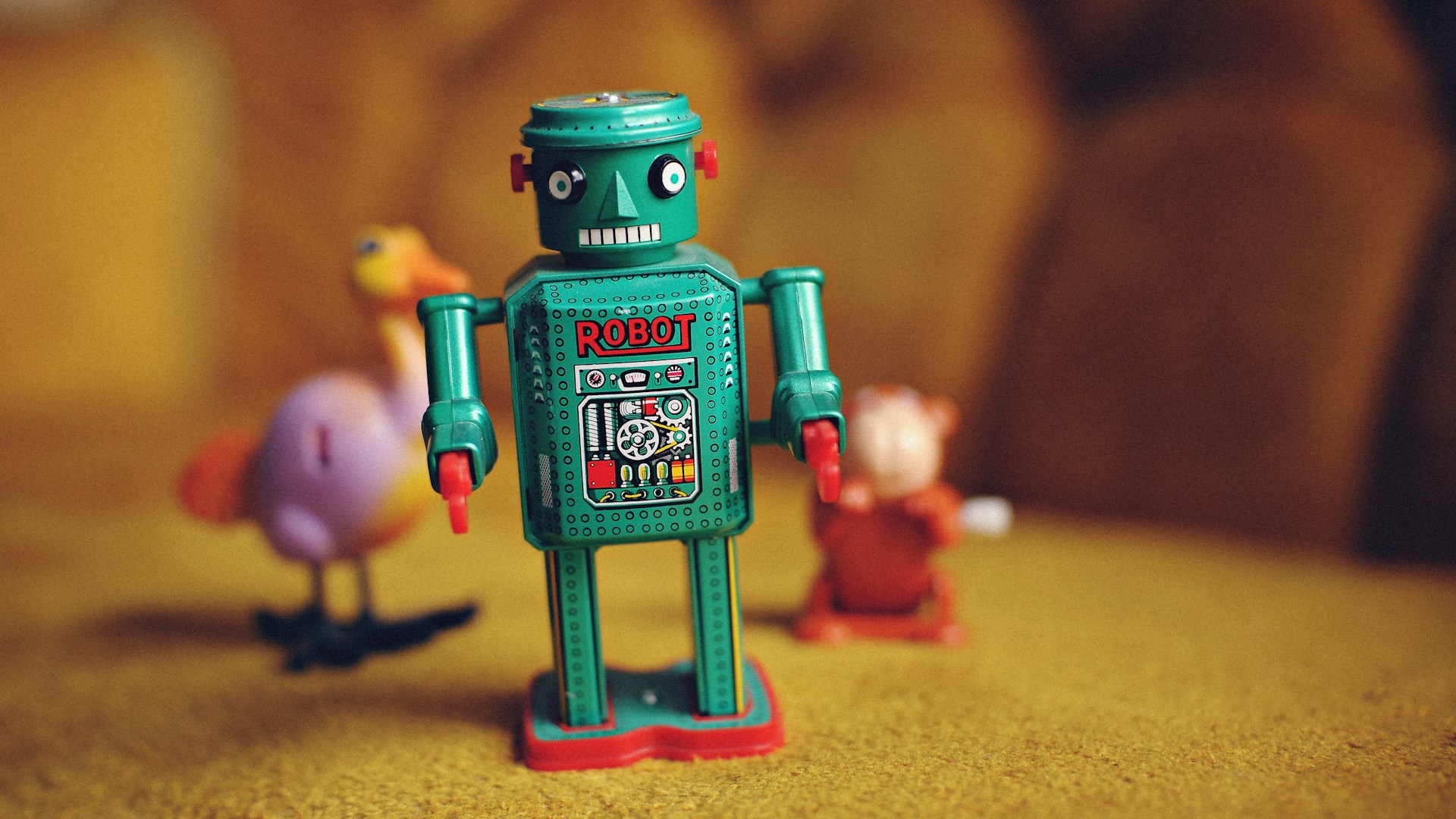
The reason is simple. Cereal premiums were made to be handed out by the thousands, tucked into boxes or offered by mail to any kid with a box top and a stamp. Cartoon memorabilia, from figures to cups to games, was produced in huge runs because the whole point was to sell as many as possible. When something was made in great quantity and kept by many families, the supply today is large, and large supply keeps prices modest.
Why Most Of It Is Common
Think about how these items were used. A prize in a cereal box was designed to be played with, dropped, lost and eventually thrown out. That sounds like it should make survivors rare, and sometimes it does. But nostalgia works in the other direction too. Plenty of people tucked their favorite toys away on purpose, and those toys came out again when the owners became grandparents. So the market is full of items that were loved and saved, which means a great many examples are out there competing with yours.
Another trap is the feeling that age equals value. A toy being old does not make it scarce. A premium from decades ago that was handed out nationwide can be easier to find than a regional giveaway from a much later year. What collectors pay for is usually a mix of demand, scarcity and condition, and demand is the part people forget. A character that fans still adore can carry a premium. An obscure one may sit unsold for years.
What Is Worth Saving
Condition and completeness do most of the work. Here is what to look for before you decide an item deserves a protected spot on the shelf.
- Original packaging. A premium still sealed in its bag, or in its original mailer, tells collectors it has not been messed with. Loose pieces are far more common than packaged ones.
- Completeness. Many toys came with small parts, stickers, decals, instruction sheets or accessories. A figure missing its little pieces is a different item to a serious buyer.
- Clean color and no damage. Faded paint, sun-bleached plastic, cracks, chewed corners and stained paper all pull value down.
- No odors or sticky residue. Some old plastics and rubbers break down over time, and a musty smell is hard to remove.
- Paper that goes with it. Original boxes, box panels, ads and order forms can be more interesting to collectors than people expect, because paper rarely survived.
If an item checks most of those boxes and the character is one that people still talk about, it is worth a closer look. If it is loose, missing parts and scuffed, it is probably a sentimental piece rather than a money piece, and that is perfectly fine.
What Is Probably Just Clutter
Be honest with the box of loose bits. Single plastic pieces with no packaging, toys with broken or missing parts, common figures that every kid seemed to own, and anything with heavy wear usually fall into the clutter pile as far as resale goes. That does not mean you have to throw it away. It means you do not need to give it prime closet space while waiting for a windfall.
A good rule is to keep what makes you smile and sell or pass along what does not. Keep the one favorite that reminds you of Saturday mornings. Let the other thirty go to a collector, a local swap or a donation bin.
How To Check What Yours Is Really Worth
Do not rely on what a seller is asking. Asking prices are wishes. What counts is what buyers actually paid. Most major online marketplaces let you filter listings to show sold items, and that is the number to trust. Search for your exact item, compare condition carefully, and look at several sales rather than one. A single high sale can be a fluke, and a single low sale can be a bad day.
Photos matter when you compare. If the sold example is sealed and yours is loose, the numbers are not comparable. Match the condition, the completeness and the packaging, and your estimate will be much closer to reality.
You can also ask knowledgeable people. Collector clubs, vintage toy shows and dealers who specialize in advertising collectibles often know at a glance whether something is common. Most are happy to chat if you are polite, and a free opinion at a show can save you from underpricing a rare piece or overpricing a common one.
Storing What You Keep
If you decide something is worth saving, store it well. Keep paper and plastic away from heat, damp and direct sunlight, since those are the biggest enemies of color. Avoid attics and basements where temperatures swing. Use acid-free sleeves or boxes for paper items, and do not stack heavy things on top of fragile ones. Do not clean aggressively. Rubbing at old paint or paper can do more harm than the dust ever did.
Take a few photos of your keepers while you are at it. If you ever sell, you will have clear pictures ready, and if you ever need to document a collection, you will have a record.
The Bottom Line
Most old cereal premiums and cartoon memorabilia are charming, common and not worth a fortune. A handful, in excellent condition and complete with their original packaging, can find eager buyers. Sort by condition, check real sold prices, keep what you love and let the rest move along. That way the best pieces get the care they deserve, and the clutter stops hiding them.
More Stories You May Like
- Ruined Mid Century Modern Dresser Gets Brought Back to Life in a Transformation That Shows What Furniture Is Worth Saving
- Chunky Plastic Bracelets In A Thrift Store Bin Could Be Bakelite Worth Thousands And A Warm Water Smell Test Can Help You Tell
- Shopper Finds A Tote Of Nearly Complete China At Goodwill For $29.99, Unboxes Eight Place Settings On Camera, And Calls It Her Favorite Thrift Find To Date

Leave a Reply