

You are walking the aisles of a flea market on a sunny Saturday when a rusty old metal sign catches your eye. It has a bold logo, a cheerful slogan and a perfectly weathered look. The seller says it came out of an old barn. The price is the kind you would expect for a true vintage piece. But a growing number of signs, tins and soda-themed items on the market today are brand new, made to look old on purpose. If you do not know the tricks, you could end up paying vintage prices for something that was made last year.
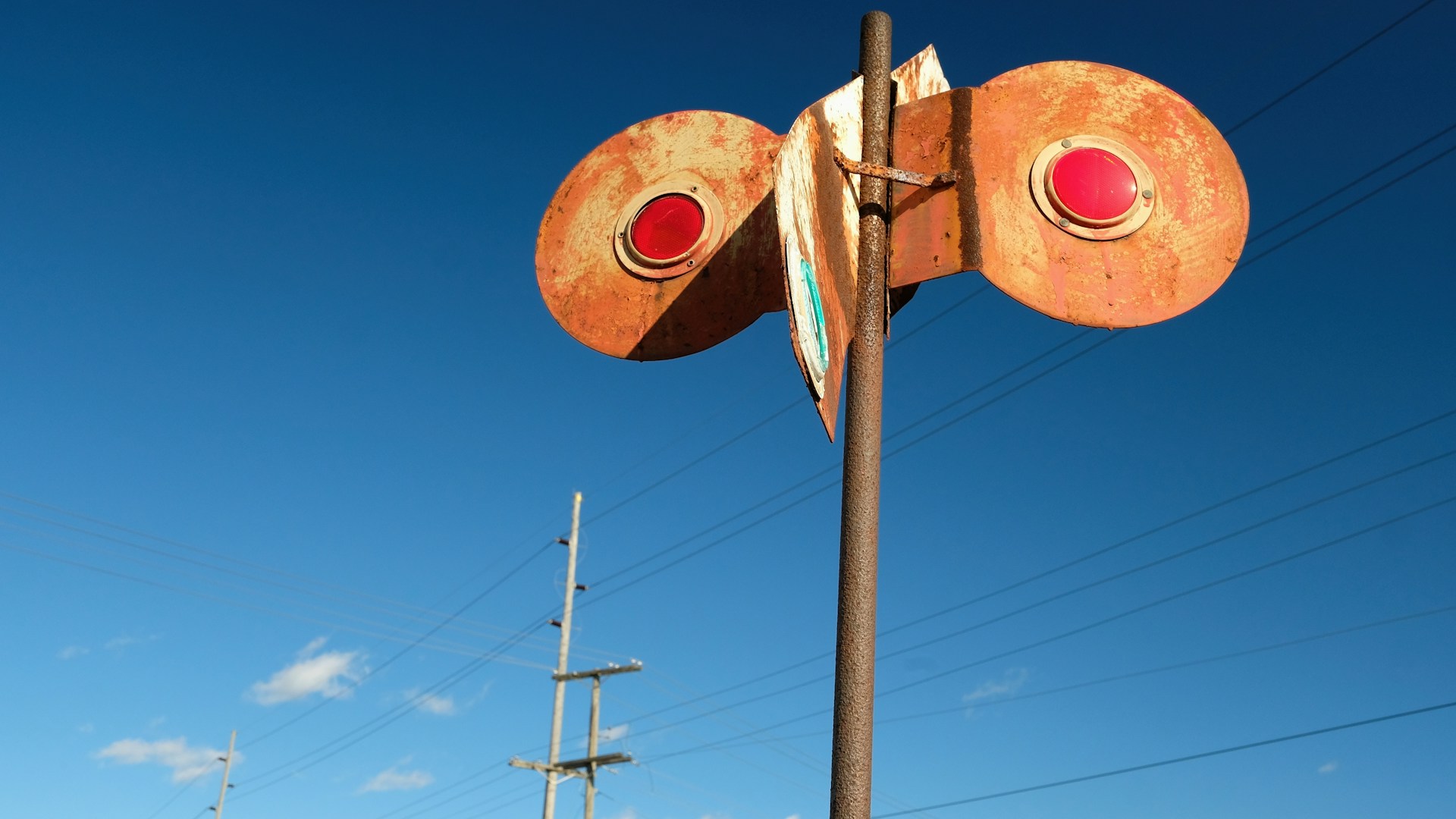
Reproductions are nothing new, and some are sold honestly as décor. The trouble starts when a new item is treated as a genuine antique. Learning to tell the difference can save you real money, and it is easier than you might think.
Why Fakes Fool So Many People
Retro signs and tins are bright, nostalgic and instantly recognizable. That makes them easy to love and easy to sell. Makers of new pieces can add fake rust, scratches, dents and faded color to make something look decades old in a short time. Shoppers who are excited about the find can overlook small details, and a good story from a seller can do the rest.
Spot Checks For Metal Signs
- Look at how the wear is arranged. Genuine wear tends to collect where you would expect it: edges, corners, mounting holes and spots people touched. Fake aging is often spread evenly, or it shows up in random, repeated patterns, as if sprinkled on.
- Check the back. The back of an old sign usually tells its own story, with age-related rust, stains or paint that matches the front. A back that looks clean or oddly new compared to a worn front deserves a question.
- Look at the holes. Mounting holes on a real sign often show real wear. Holes that are crisp, perfectly round and free of rust on the edges can mean they were punched recently.
- Study the printing. Older signs were made with different printing and finishing methods than modern ones. If the image looks flat, digital or too sharp, with tiny dots or a pixelated feel when you look closely, be careful.
- Know the porcelain look. Genuine porcelain enamel signs are made with a glassy coating fused to metal. When they chip, you often see layers and a dark edge, and the surface feels hard and glassy. A painted sign with a glossy finish is not the same thing.
- Feel the weight and edges. Thin, light metal and sharp cut edges that look machine-fresh can be signs of a modern product.
Spot Checks For Tins And Soda Memorabilia
- Inspect the seams and rims. Check how the tin is joined and finished. Compare the construction to examples you know are genuine.
- Look inside. Real age usually shows up inside as well as outside. If the outside looks ancient but the inside is bright and spotless, ask why.
- Check for modern marks. Barcodes, recent copyright dates, modern wording and country-of-origin stamps that do not fit the claimed age are giveaways.
- Be wary of fantasy items. Some new products show well-known brand logos on items that never existed in the first place, such as a design the company did not actually make. If you cannot find a reference to a piece anywhere, treat it with suspicion.
- Smell and feel. A fresh chemical or paint smell, or a sticky surface, can mean the finish is new.
Questions To Ask The Seller
- Where exactly did you get this, and can you tell me more about it?
- Has it been cleaned, repainted or touched up in any way?
- Do you have a written description or a receipt that says it is original?
- What is your return policy if I find it is not what you described?
Pay attention to how the seller answers, not just what is said. An honest dealer is usually happy to talk about the history and condition. Someone who dodges questions, gets pushy or insists you must decide right now is giving you information too.
Do Your Homework Before You Pay
Study before you shop. Look at photographs of authentic pieces in collector books, museum collections and the listings of respected dealers. The more genuine examples you see, the faster your eye will pick up on something that does not look right. Check recent sold prices for similar items so you know what a fair price looks like, and be cautious when a rare piece is offered far cheaper than the usual going rate.
If you are about to spend real money, ask a trusted dealer or a collector club member to take a look first. A quick second opinion costs little compared with a costly mistake.
Reproductions Are Not Always the Enemy
If you simply love the look of a retro sign for your kitchen or garage, a reproduction can be a fun and affordable choice, as long as you pay a reproduction price. The goal is not to avoid every new piece. It is to know exactly what you are buying. Pay vintage prices only for vintage items, and walk away happily from anything that cannot show you it earned that label.
More Stories You May Like
- She Plugged In A Vintage Elvis Animatronic Expecting It To Be Dead And It Greeted Her With Hello Ladies And Gentlemen Before Scaring Her Senseless
- Thrift Shop Shares The Magnet And Tap Tests For Spotting Real Silver And Crystal Before You Buy, And Anyone Who Has Overpaid For Glassware Will Want To Know
- Arizona Thrifter Drives Four Hours Round Trip to One Specific Goodwill and Walks In to Find a Whole Display Case Full of Gucci, Chanel and Louis Vuitton

Leave a Reply