

If you can still hear the chimes of a computer starting up in your head, this post is for you. The creator behind @past_archives offers a short tour of what it felt like to sit down at the family computer as a kid before social media, artificial intelligence and constant connection. The opening line puts it simply: 90s kids were the last generation to grow up without being connected 24/7.
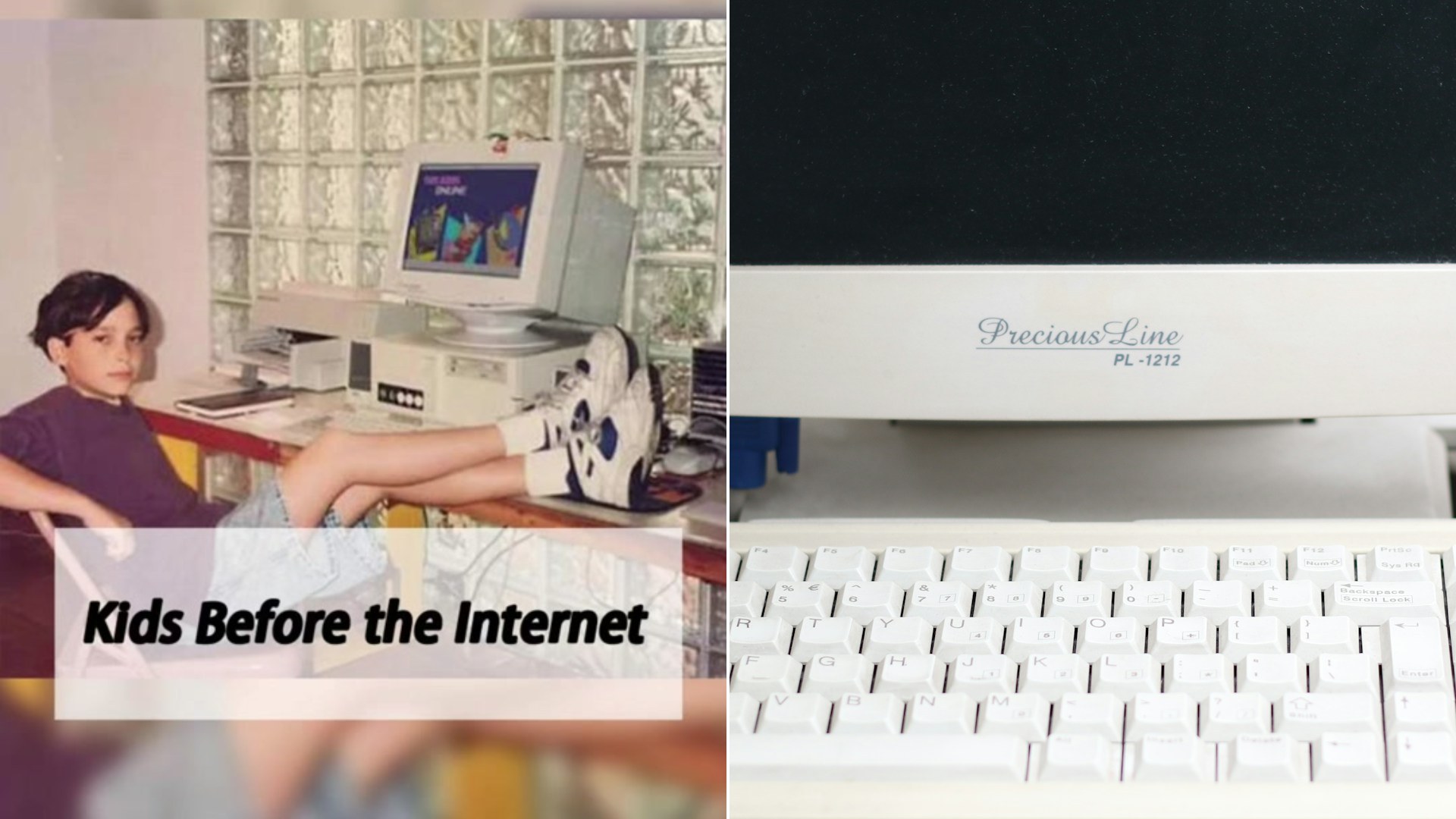
The Tour
The post follows a computer session from start to finish.
The startup sound. When you turned on the computer, you were greeted by what the post calls the magical sound of Windows XP starting up. The creator asks whether you remember the excitement of booting it up.
Media Player. After it loaded, you could open Windows Media Player and stare at the colorful visualizations for what felt like hours.
Dial up internet. Back then, the internet came through the phone line, and every time your mom picked up the phone, the connection dropped.
Solitaire. So what did you do? You played solitaire, and the post says that choosing the design on the back of the cards was half the fun.
Pinball. You could fire up Space Cadet Pinball and try to beat your own high score, with sounds the post describes as the sounds of childhood.
Paint. If you were really bored, you could open Microsoft Paint and let your imagination run wild, drawing random pictures and filling them in with colors.
Screen savers. The best part, according to the post, was the screen savers, and the narrator could sit forever watching the bouncing pipes move across the screen.
The post closes by asking people who remember any of this to share how old they are. It is a gentle, funny list, and it is easy to see why it resonates.
One small note: the post says “90s kids,” while the hashtags mention the 80s. Windows XP was a product of the early 2000s, so the memories here really span the late 90s and the first years of the new century, which is a fine way to describe a generation that grew up with the computer in the family room.
When Windows XP Arrived
The startup sound the post remembers belongs to a very specific moment. According to Wikipedia’s article on Windows XP, it was released to manufacturing on August 24, 2001, and reached stores on October 25, 2001. It bundled Windows Media Player, and its default wallpaper was a photograph of green hills and blue sky from the Napa Valley in California. Support was long lived. Mainstream support ended in April 2009, and extended support ended April 8, 2014, with a few embedded versions receiving security updates until May 2019.
That last point matters if you still own an old XP machine. Once the security updates stopped, the system became unsafe to connect to the internet, so if you keep one for nostalgia, keep it offline.
The Games That Came In The Box
Two of the post’s best memories are games that came free with the computer. Solitaire is the older of the two. According to Wikipedia’s page on Microsoft Solitaire, it has been included with Windows since Windows 3.0 in 1990. Microsoft meant it to help people who were intimidated by the operating system, and it taught mouse skills, especially dragging and dropping the cards. A summer intern named Wes Cherry programmed the original version in 1988, and Susan Kare designed the cards. And the creator is right about the fun of the card backs, because users have been able to choose the design since Windows 3.0.
Space Cadet Pinball came a few years later. As described by PC Gamer, it was released in 1995 as part of the Microsoft Plus! package for Windows 95 and was later bundled with Windows NT, 98, ME, 2000 and the 32 bit version of XP. The table was a slightly modified version of one from the game Full Tilt! Pinball by Cinematronics, and it was dropped after XP when it was not ported to the 64 bit version. For a generation of kids, it was the game on the family computer that everyone fought over.
The Dial Up Dance
Few of the memories in the post are as relatable as the dial up connection. Before broadband, many homes had one phone line that had to serve both the telephone and the internet. When someone picked up the handset, the modem lost its connection and you had to start over. That is why so many families developed rules about who could use the phone and when. It is a lesson in patience that today’s kids rarely encounter.
Ways To Relive It With The Family
If this post stirred some memories, here are some ways to share them with the younger people in your life.
Play a hand of solitaire together. A deck of real cards is the best option, and you can talk about how the computer version taught a generation to use a mouse.
Draw something. Open any simple drawing program and make a picture with the paint bucket. Children enjoy the thrill of filling a shape with color.
Tell the dial up story. Describe the sound of a modem, how long it took to load one picture, and what happened when someone picked up the phone. It makes a great family story.
Look at old photos of your computer. If you took a picture of the family computer, you will have a time capsule of the desk, the monitor and the clutter around it.
Keep old hardware responsibly. If you have an old computer in the attic, back up any files you care about before recycling it, and remove personal data.
The Last Generation Before Always On
The creator’s main point is that kids who grew up in this period lived in a world before constant notifications. When the computer was off, it was off. When the phone was in use, the internet waited. Playing with a screen saver or a paint program was something you chose to do, and that sense of choice is part of why people remember it so fondly. Whether you were a kid then or a parent standing next to the desk, the sounds mentioned probably bring you back.

Leave a Reply