

Plenty of people say they grew up in the 1970s. The creator behind @memory_files offers a quick quiz to find out who really did, built from the small things that only a kid of that decade would remember in their bones. If even one of them hits you in the chest, the creator says, that is not a coincidence. That was your childhood, and nobody can take it from you.
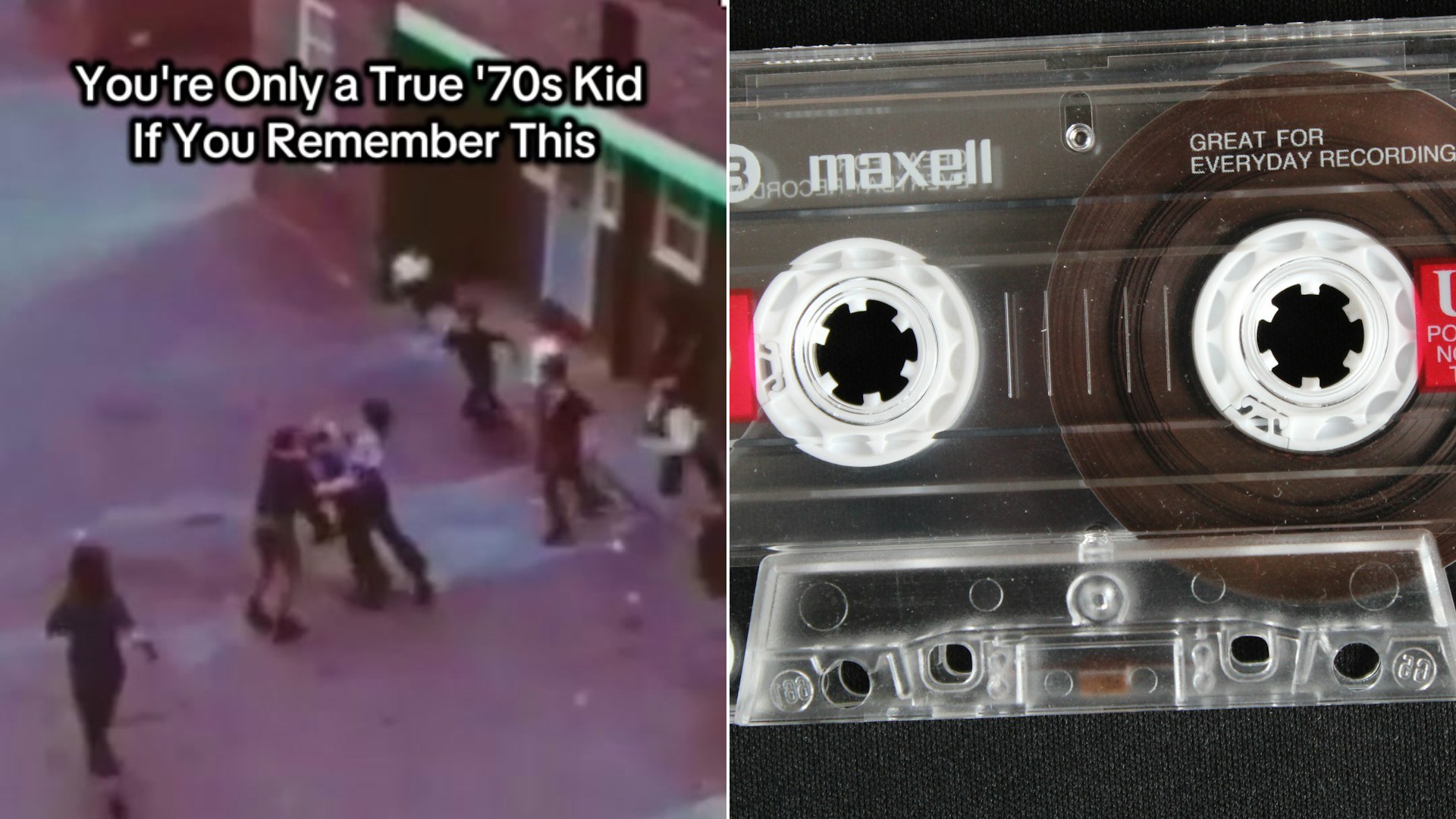
Here is the list, with some background on the stories behind each memory.
Licking S&H Green Stamps
The first clue is the green stamps. You licked them until your tongue went numb, pasted them into the little book, and waited months to trade the whole thing in for a toaster. According to the Wikipedia article on S&H Green Stamps, retailers such as supermarkets and gas stations gave the stamps out as a bonus based on the dollar amount of a purchase. Shoppers moistened the gummed backs and stuck them into collector books, and filled books were exchanged for premiums at a redemption store or from a catalog. At their peak in the 1960s, S&H issued more stamps than the U.S. Postal Service. Many families kept a drawer full of books, just waiting for the right prize.
The Ice Tray Lever
You pulled the metal lever on the ice tray, and if you were not fast enough, it took a little piece of your finger with it. Anyone who grew up with those aluminum trays knows the stuck lever, the crack of the cubes and the wet freezer frost on your hands.
Fresh Ditto Sheets
You knew that smell: a ditto sheet fresh off the machine, with that purple ink, and every kid taking one long sniff before the teacher even finished passing them out. The Wikipedia entry on the spirit duplicator explains that the machine was invented in Germany in 1923 and used for most of the 20th century by schools, churches and clubs because the copies were cheap and easy to make. The usual color was aniline purple, and fresh pages carried a faintly sweet, alcohol-based aroma that many people connect with school life of that era.
Changing The Channel By Hand
Changing the channel meant standing up, walking across the room and turning the dial yourself, because a remote control was not a thing in your house yet. The creator adds that if you stayed up late enough, you watched the TV station sign off for the night. First the national anthem, then a test pattern, then nothing until morning. Round-the-clock programming is such a part of life now that it is hard to explain to a child that television once simply went to bed.
Circling Toys In The Wish Book
Every December, you circled every toy you wanted in the Sears Wish Book in pen, weeks before your parents even asked. The Wikipedia entry on the Sears Wish Book says the first one was published in 1933 and that it was an annual Christmas catalog released in late summer or early fall. For a lot of kids, it was the most important reading of the year.
The Mood Ring
You watched your mood ring change color and half believed that it actually knew what you were feeling. The ring contains thermotropic liquid crystals that shift color with temperature, so the color reflects how warm your finger is, according to the Wikipedia article on mood rings. Sales began in early 1975, and the craze was huge. The same source reports sales hit about $15 million in December 1975, and then demand dropped within weeks as the market became oversaturated. It was a short, bright flash, and everyone who wore one remembers it.
A Rock In A Box
If you are being honest, the creator says, in 1975 you owned an actual rock in a box with air holes and a little instruction manual, and somehow that felt completely normal. The Pet Rock was the idea of advertising executive Gary Dahl, introduced at a San Francisco trade show in August 1975. It sold for just under four dollars. The box was a cardboard pet carrier with air holes and straw bedding, and nearly 1.5 million sold in the first release. It remains one of the funniest success stories in toy history.
The Eight Track Click
The last clue is the sound. That “ka-chunk” an eight track made when it cut your favorite song off mid-word just to switch tracks. You can probably hear it right now. The Wikipedia entry on the 8-track tape explains that the tape holds eight tracks and the head reads two at a time, so at the end of each program the head mechanically shifts to the next pair with an audible click. Each program lasts around 25 minutes, so a song that fell across a change could be split in two. The format was the largest segment of the U.S. consumer electronics market by the late 1960s, and sales peaked in 1978 before cassettes took over.
Why These Small Things Matter
It is interesting how much of childhood is made of tiny, specific physical things: a lick, a smell, a click, a turn of the dial. Those are the memories that come back the fastest because they involve the senses. A smell can bring back a classroom. A sound can bring back the family car.
Many of these items also shared a trait. They asked you to wait. Green stamps took months to fill. The Wish Book arrived weeks before Christmas, and the anticipation was half the fun. A song was not available whenever you wanted. You waited for the radio to play it or you bought the whole tape. Today almost everything is on demand, and some people feel that waiting made the rewards sweeter.
Keep The Memories Alive
If you want to share your own 70s childhood, here are some easy ideas:
- Make a list of ten sights, sounds and smells from your childhood and read it to your grandchildren.
- Look for an old Wish Book or catalog at a flea market and flip through it together.
- Play an old album or tape for the family and talk about where you were when you first heard it.
- Write down the toy you wanted most and whether you got it.
- If you still own a mood ring or a pet rock, put it on the table and tell the story.
Which One Got You?
The creator ends by asking which memory landed hardest and says they hope they are not the only one. Chances are they are not. Whether it was the ditto smell, the ice tray lever or the pet rock, one of these probably took you straight back to a living room with wood paneling and a TV with a dial.

Leave a Reply