

Some of the most moving tributes to the boomer generation are also the simplest. The creator behind @we.are.baby.boomers shared a short, heartfelt message for everyone born in the 1950s and 1960s, and it lands on one powerful idea: gray hair is not just a sign of age, it is a badge of resilience.
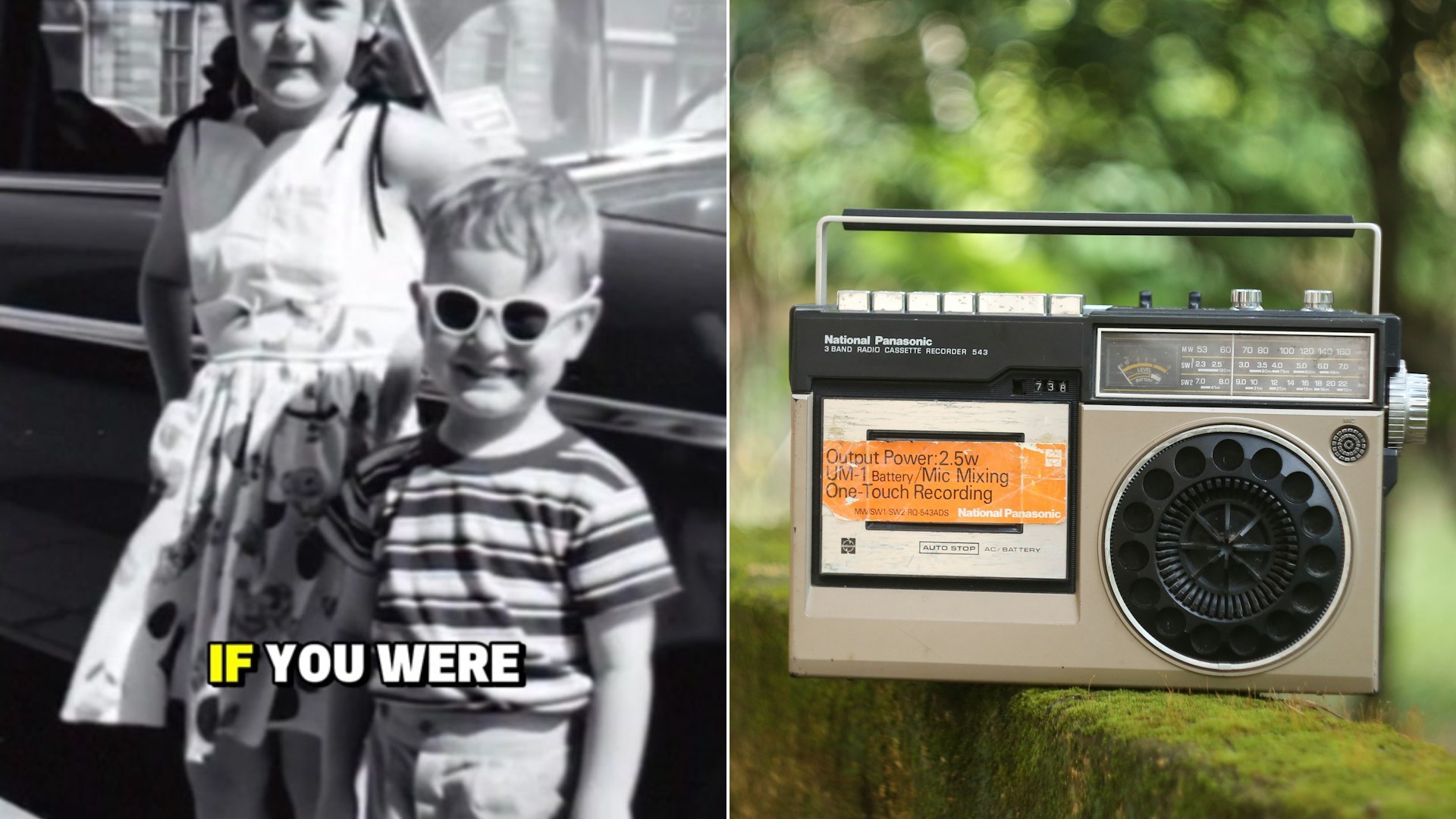
There is no single personal story here. Instead, the post speaks for a whole generation, and it reads like a toast to everyone who remembers the sirens, the news bulletins, and the long walk home from school under a sky that felt a little uncertain.
A Country Still Healing From War
The message begins by reminding listeners that anyone born in the 1950s and 1960s grew up in a country traumatized by World War II. The shadow of a third world war, the creator says, seemed to knock on the door every single day. People lived through drills, sirens, and the heavy weight of an uncertain tomorrow.
And yet, the creator points out, look at us. Despite the fear, boomers managed to grow up happy. They filled the streets with laughter, played until the sun went down, and learned the value of real, physical connection with friends and neighbors. In the creator’s words, they did not just survive, they built a life worth living.
A Front Row Seat To History
The post then runs through the big moments that shaped the generation. Boomers stood through the tension of the Cold War and the fear of the Cuban Missile Crisis. They felt the world shift during the Civil Rights Movement. They watched in awe as humanity first touched the moon. They also lived through tragedies that broke their hearts, but each time, the creator says, they found the strength to rise, to protest, to dream, and to keep moving forward.
It closes with a line that has clearly struck a chord: we are the witnesses of time, and our gray hair is a badge of resilience. The creator adds that boomers shared real feelings in a world changing faster than anyone could imagine, and that through it all, they stayed together. Anyone who was there is invited to join the community and help keep those memories alive.
What The Cuban Missile Crisis Really Felt Like
For younger readers, the phrase can sound like a line in a history book. For the people who lived it, it was thirteen very long days. According to the John F. Kennedy Presidential Library, the crisis unfolded in October 1962, after a U-2 spy plane photographed Soviet missile sites being built in Cuba. President Kennedy met privately with advisors for several days, then ordered a ring of ships around the island, which he called a quarantine, and addressed the nation by radio and television on October 22.
The crisis ended when the superpowers agreed that the Soviets would dismantle the sites and that the United States would pledge not to invade Cuba. A separate deal, kept secret for more than 25 years, saw the U.S. agree to remove its own missiles from Turkey. On November 2, 1962, Kennedy announced that the missiles in Cuba were being dismantled.
If you were a child or a teenager that October, you may remember the quiet in the house, the radio turned up, and the grown-ups speaking in lower voices than usual. Many boomers describe that week as the first time they realized the adult world could be frightening.
The Drills And The Sirens
The creator also mentions drills and sirens, and that detail rings true for a lot of people. School kids of that era practiced emergency routines, from filing into hallways to getting low under their desks. Even when a child did not fully understand why, the seriousness on the teacher’s face said plenty.
One of the best known examples was a film. According to Wikipedia’s article on Duck and Cover, the child-oriented civil defense film was produced in 1951 by the Federal Civil Defense Administration, a year after an adult-oriented film called Survival Under Atomic Attack. In one classroom scene, students dive under their desks the moment they see a flash, to guard against window glass when the blast wave arrives. The lesson was to drop face down, cover exposed skin and the back of the head, close your eyes, and stay down until the blast and falling debris passed.
What is remarkable is how many boomers describe those years fondly anyway. The fear was real, but so was the rest of childhood: pickup games in the street, Saturday morning cartoons, a transistor radio under the pillow, and the sound of a mother calling everyone in for dinner.
The Night Humanity Touched The Moon
The creator names the moon landing as one of the moments the generation watched in awe, and the numbers back that up. According to Wikipedia’s article on Apollo 11, the mission launched on July 16, 1969, and the lunar module Eagle touched down at Tranquility Base on July 20. Neil Armstrong stepped out first, followed about 19 minutes later by Buzz Aldrin, and their moonwalk lasted roughly two and a half hours. An estimated 600 million people watched the broadcast.
For a generation that had practiced ducking under desks, seeing people walk on another world was a huge shift in mood. Many boomers can still tell you exactly where the television was and who was sitting around it.
Why This Message Resonates
There is a reason a short, simple tribute like this one spreads. It gives people permission to feel proud without bragging. Few generations have lived through such a fast stretch of change, from black and white television to a moon landing, from rotary phones to the first personal computers.
It also offers something many people are craving right now: perspective. When today’s headlines feel overwhelming, it helps to remember that earlier generations faced their own anxious times and came out the other side with humor, friendships, and stories to tell.
Ways To Keep Your Own Memories Alive
The creator’s closing request is to keep these memories alive, and that is easier than it sounds. Here are a few simple ways to do it.
- Write down three memories. Pick a favorite street game, a family meal, and a moment you remember from the news. A single page is plenty.
- Record a conversation. Ask a grandchild to interview you with a phone. Their questions will unlock details you forgot you knew.
- Label old photos. Write names, places, and years on the back. Future family members will be grateful.
- Visit a local museum or library. Many have oral history projects that welcome stories from people who lived through these years.
- Swap stories with friends. A cup of coffee and a handful of questions can fill an afternoon.
So wear that gray hair proudly. Every strand carries a little piece of the story, and the generation that grew up with sirens, moon dust, and a whole lot of laughter still has plenty left to say.

Leave a Reply