

Some viral clips are long, winding stories. This one lasts about five seconds. But the question it raises is one that every thrift shopper has asked at some point: how can the same piece of clothing cost five dollars in one place and five hundred in another? Creator @babydollay7 posted a quick look at a ballerina-style babydoll top, and the caption raises exactly that question.
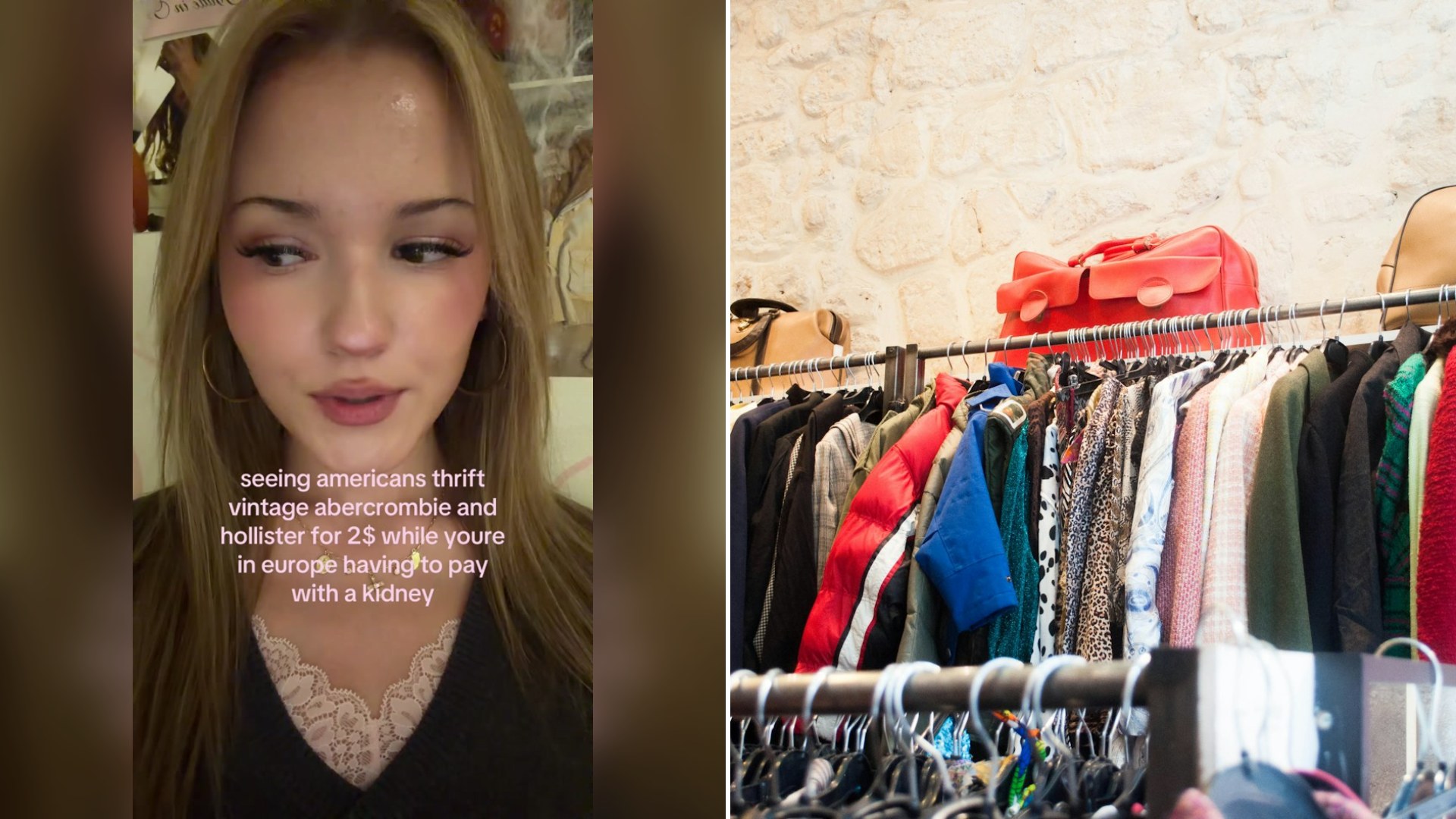
Here is what the post actually tells us. The caption reads, “no bc wdym you thrifted a ballerina babydoll for 5$ and I saw it being sold for 500$ on vinted,” with a few hashtags that include thrifting, vintage and the Abercrombie name. In the clip itself, the creator says only, “That’s cute. I wish I could get it, but.” That is all the audio there is.
The wording of the caption suggests that someone else made the thrift store find, and that the creator is reacting to it after spotting what looked like the same style listed online for $500. The post does not say who bought the top, which store it came from, or whether the $500 listing ever sold. So we will treat those details as unknown, and focus on the part that is clear: the gap between a thrift tag and an online asking price can be enormous.
Here is the original post.
@babydollay7
A listing price is not the same as a selling price
Before anyone runs to the closet to look for a hidden fortune, it helps to understand how resale pricing works. Anyone can type any number into a listing. Some sellers price items very high on purpose, hoping a collector will come along, or leaving room for offers. Whether the item actually sells at that price is a different question.
That is why experienced resellers look at what similar items have actually sold for. An online guide from Auction Nudge explains the idea well. It recommends running an eBay advanced search with the “completed listings” option selected, because it shows which items did and did not sell. Sold prices appear in green and unsold prices in black, so you can scan the green numbers to get a rough average. It also suggests narrowing the results by condition so that you are comparing like with like.
The guide makes one more point that is worth remembering. A high number in a listing does not prove demand, but a long list of sales at that price does. Even then, the same item can sell for different amounts depending on the photos, the description, the timing and the buyer.
Why a trendy top can jump in price
Fashion moves in cycles, and the soft, feminine, ballet-inspired look has been popular with younger shoppers. A babydoll top is a loose, gathered style that sits high on the body, and it keeps coming back every few years. When a style catches on and a particular label becomes hard to find, secondhand prices can rise quickly. A small item that was made in large numbers at a department store can suddenly look rare once it is out of production and shoppers are searching for it.
That does not mean every top with a popular name is worth hundreds. Condition, size, color and the exact style all matter a great deal. A famous label alone is not a guarantee, and many listings that look like bargains for sellers sit unsold for months.
How to shop smarter at the thrift store
You do not have to be a professional reseller to learn something here. A few good habits can help you spot value and avoid disappointment.
- Read the tags. Check the brand, the fabric and the care label. Brand names and fiber content tell you a lot about quality.
- Look the item over carefully. Check the seams, underarms, hems and any lace or ruffles for stains, holes or snags. Condition drives price more than almost anything else.
- Search before you buy. Pull out your phone and search for the brand and style. If you only see asking prices, look for sold or completed results instead.
- Be honest about whether you will wear it. A top that you love and will wear is a good buy even if it never makes a dime.
- Think about resale costs. Selling online involves fees, shipping supplies and time. An item that sells for $40 does not put $40 in your pocket.
The lesson behind the reaction
It is easy to be a little envious when someone else finds a bargain. The creator’s words, “I wish I could get it, but,” capture that feeling perfectly. Many of us have walked past a rack, missed something wonderful and read about it later. The truth is that every thrift shopper has both kinds of days, the days you spot the treasure and the days someone else does.
The best approach is to keep a good attitude and keep looking. Visit often, check the tags, learn what you like and ask yourself whether you would love the item even if it were worth nothing. If you do that, you will come home with pieces you enjoy, and every so often, a great story to go with them.
As for that $500 listing, we cannot say whether it will ever find a buyer. But a five dollar price tag on a pretty top is a good reminder that secondhand stores still hold surprises for people who take the time to look.

Leave a Reply