

Some vintage recipes earn a place in the family archive because they taste like childhood. Others earn a place in kitchen legend because they sound like a dare. Perfection salad belongs firmly in the second group, and the cook behind @danrenzi decided to find out why. The result, shared on social media as part of an ongoing aspic series, drew a huge crowd and a very honest taste test.
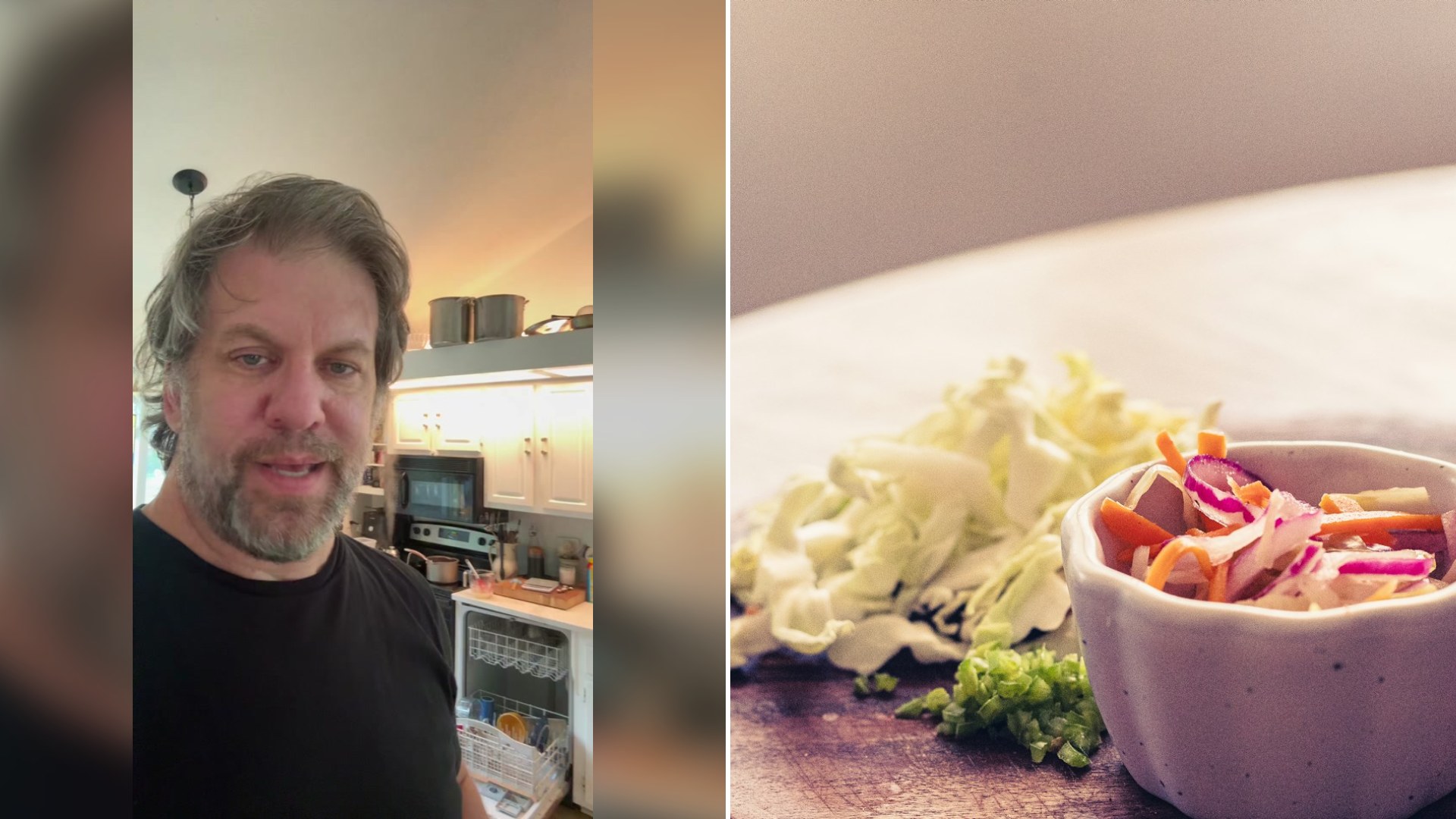
@danrenzi
A Cookbook That Has Been Through a Lot
The adventure starts with a book. The creator opens Mary Margaret McBride’s Encyclopedia of Cooking, published in 1958, and admits right away that this copy has been through a lot. It is falling apart. The caption says the aspic journey continues, which tells you this is not a one time experiment but a whole project of cooking from the weird recipes of the mid twentieth century.
Today’s target is perfection salad, which the creator describes as a recipe that was very popular back in the day. Looking over the ingredient list, the cook asks the question many of us would ask: who looked at all of these things together and thought that looks delicious?
What Goes Into Perfection Salad
According to the creator, the recipe calls for sweet pickles, cabbage, salt, lemon juice, plain gelatin, pimento, peppers, celery, sugar and vinegar. There is a small twist, though. The celery, pimento and sweet pickles are not actually in the original recipe in the McBride book. They appear in the Betty Crocker version of the salad, so the creator decided to add them. Before anything even went into the fridge, the cook had already declared that the mixture smells like rotten socks.
How the Gelatin Came Together
The method is simple, even if the flavor profile is not. The creator softened the gelatin in cold water, then added hot water, sugar and salt. Next came the lemon juice and, in the creator’s words, a lot of vinegar. The mixture then went into the fridge to set.
Waiting turned out to be its own challenge. The creator says they could not stop looking at it, and that the smell of cabbage and vinegar drifting through the kitchen is a sensation they will never forget. Anyone who has simmered a cabbage soup in a small apartment will understand.
The Taste Test
Then came the moment of truth. After the first bite, the creator reacted with an immediate oh, it burns. The verdict was swift and funny: that is vinegar flavored jello. Not willing to give up, the cook tried a second bite with a little more cabbage on top, hoping the crunch might balance things out. It did not. Things got worse, and the creator compared it to stinky feet salad.
There was, however, one bright spot. The pickle helps, the creator says, and gave thanks for it. If you are keeping score, the sweet pickle was the hero of the dish, which is a funny thing to say about an ingredient the original recipe did not even include.
A Quick History of the Jellied Salad
So how did a cabbage and vinegar gelatin become a kitchen classic? Food historians commonly point to the early twentieth century, when gelatin was becoming a convenient product for home cooks and manufacturers were eager to show how many ways it could be used. Recipes for molded salads were printed on boxes, in newspapers and in community cookbooks. A shimmering mold looked modern and fancy, and it let a hostess make something ahead of time and carry it to the table without a fuss.
By the 1950s, savory gelatin dishes were everywhere. Cooks set vegetables, meats, fish and even eggs into molds, and an aspic was a sign that a host had put in effort. Today the idea of tomato juice or bologna suspended in jelly can feel alarming, but it made sense in an era that loved refrigeration, convenience and a dramatic centerpiece.
Perfection salad is often described as one of the best known examples, and it is easy to see why it stuck in memory. The name alone is a challenge to the taste buds. The tangy, sharp flavor was meant to be a refreshing side dish next to rich main courses, not a dessert. Tasted cold on a spoon with no meal around it, as in this experiment, it may seem much harsher than it would have beside a roast and potatoes.
Tips for Cooking From Old Cookbooks
If this story makes you curious about vintage recipes, a few tips can help your own experiment go more smoothly.
First, read the whole recipe twice. Older cookbooks often leave out details we take for granted, such as pan sizes, oven temperatures or how long something should chill. Second, make a half batch the first time. If the dish turns out to be a disaster, you will have wasted less, and your fridge will smell less like cabbage.
Third, pay attention to the gelatin. Unflavored gelatin is not the same as the sweet, flavored boxed kind. As a general rule, one envelope of unflavored gelatin sets about two cups of liquid. Sprinkle it over cold liquid to soften, then dissolve it in something hot, and avoid boiling it afterward, since high heat weakens its ability to set. Also remember that fresh pineapple, kiwi and papaya contain enzymes that stop gelatin from setting, which is a surprise for plenty of first timers.
Fourth, taste as you go. Many mid century recipes were written for palates used to sharp, sour and salty flavors, so you may want to adjust the vinegar or sugar to suit yourself. Fifth, think about the occasion. A vintage dish can be a hit at a themed party, as long as your guests know it is an adventure.
Why We Love a Cooking Disaster
There is something wonderful about a cook who is willing to be honest. It would have been easy to pretend the salad was fine, or to skip the taste test altogether. Instead the creator took a bite, reported the results and moved on with humor. That honesty, along with a falling apart cookbook and an ever growing series of aspic experiments, is what keeps people coming back.
Vintage recipes remind us that taste changes over time, and that every era had its own idea of perfection. In 1958 it may have been a wobbling green mold on a glass plate. In the modern kitchen, it may be a pickle and a sense of humor.

Leave a Reply