

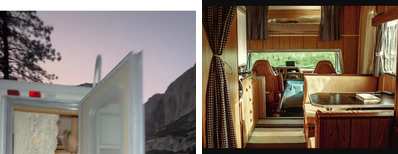
Most people picture a vintage RV as a rusted-out shell with peeling wallpaper and a mildew problem. @_gypsytribe_ is out here proving the opposite. In a recent reel, the creator gives a quick walkthrough of a fully decked-out vintage RV that looks less like a neglected relic and more like someone sealed a 1990s rec room inside a rolling metal box and left it untouched for three decades.
The tour shows era-accurate decor packed into every corner of the rig, right down to a built-in DVD player mounted into the cabinetry like it was original factory equipment. It’s the kind of detail that makes viewers do a double take, because by the time DVD players were standard in American homes, most RVs of this style were already considered dated. Finding one actually wired into the dash setup suggests either a very dedicated original owner or an equally dedicated restoration.
Vintage RVs occupy a strange corner of the collector world. Unlike a classic car, where a full restoration often means stripping a vehicle down to bare metal and rebuilding it to showroom spec, RV restorers tend to lean into character instead of erasing it. The goal isn’t to make the rig look brand new; it’s to make it look like a specific, believable moment in time was frozen in place. That means keeping period-correct paneling, period-correct textiles, and yes, period-correct electronics, even when a modern flat screen would be objectively more practical.
The van-life and vintage-camper communities have grown enormously over the past several years, and within that world, a dedicated subset of owners specifically hunts for rigs from the 1970s through the 1990s rather than newer models. Part of the appeal is cost: a well-loved vintage RV can often be acquired for a fraction of what a new unit costs, even after factoring in the work needed to make it road-ready. The other part is aesthetic. Wood paneling, shag-style carpeting, and boxy built-in furniture have become design statements in their own right, especially among younger buyers who never experienced that look the first time around and are drawn to it specifically because it feels nothing like a modern interior.
That said, taking on a vintage RV isn’t a purely nostalgic decision. These vehicles often come with real maintenance considerations that a newer model wouldn’t have. Roof seals on older RVs are notorious for failing over time, which can lead to water intrusion and soft spots in the flooring if it isn’t caught early. Propane systems, plumbing, and electrical wiring from decades-old builds typically need a thorough inspection before the rig is considered safe for regular use, even if everything looks cosmetically intact. Tires are another commonly overlooked item; RV tires can look perfectly fine while the rubber underneath has degraded from age and UV exposure, which is a bigger risk on a long road trip than tread wear alone would suggest.
None of that tends to scare off the people drawn to this hobby, though. If anything, the restoration process itself has become part of the content people want to watch. Viewers don’t just want to see the finished product; they want the built-in DVD player, the original countertop laminate, and the decor choices that make a 30-year-old interior feel intentional rather than outdated. It’s a reminder that nostalgia isn’t only about objects sitting on a shelf. Sometimes it’s an entire liveable space, decorated down to the last detail and still rolling down the highway today.
For anyone newly interested in the vintage RV scene, online owner communities and marketplace groups are often the best starting point, since many of these rigs change hands privately rather than through traditional dealerships. Patience tends to pay off, both in finding the right unit and in budgeting for the less glamorous repairs that keep it roadworthy once the decor is sorted out.

Leave a Reply