

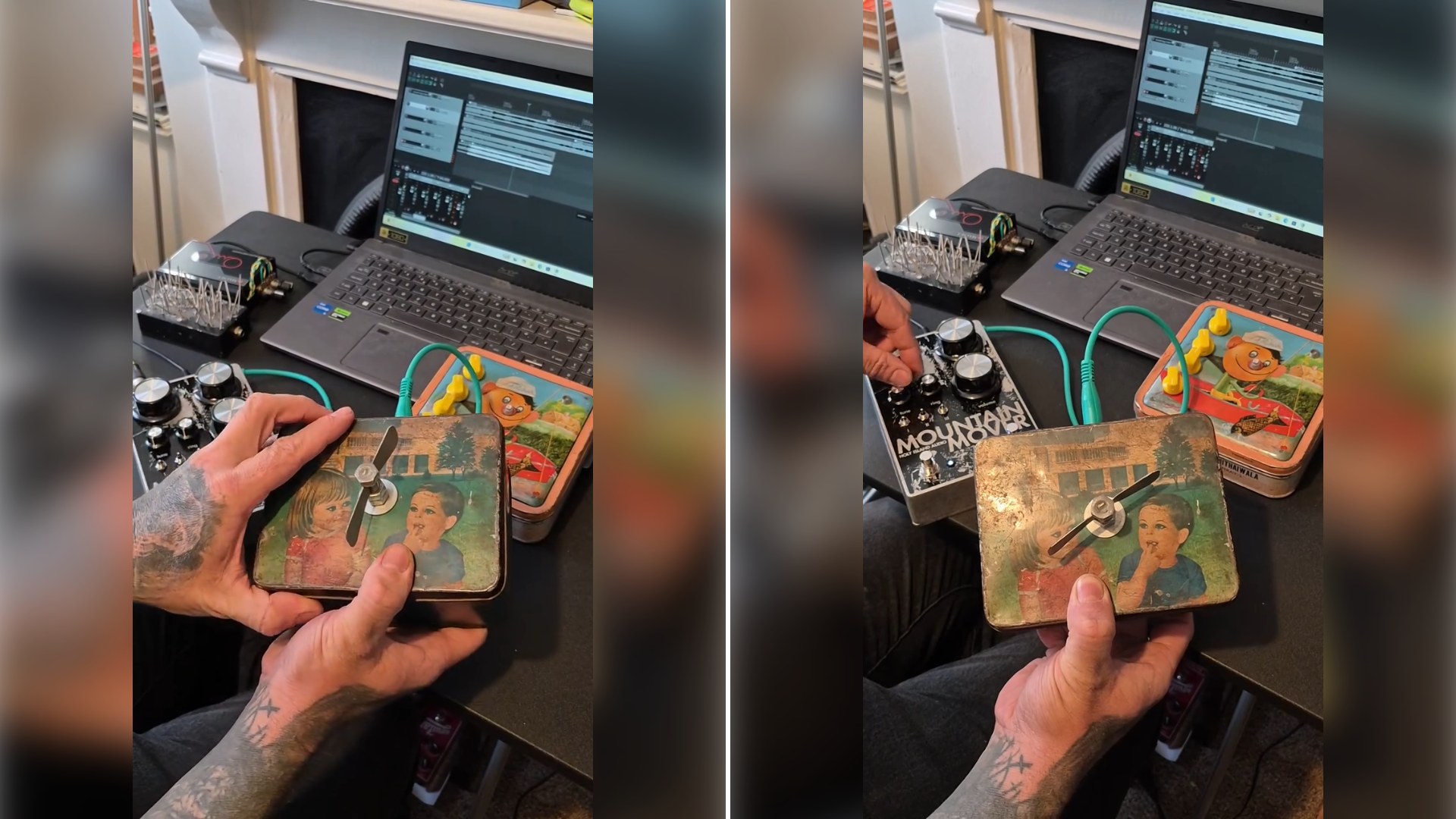
Experimental music and vintage object repurposing meet beautifully in a recent Instagram reel from creator @gnarledfingers, who builds a genuinely functional DIY instrument concealed entirely within an old vintage tin box. The result is as much a piece of sculptural craftsmanship as it is a playable instrument, blending musical ingenuity with a clear reverence for the found object at its core.
Experimental and DIY instrument building occupies a rich, longstanding tradition within music culture, one that stretches back long before modern electronics made home instrument construction genuinely accessible to hobbyists. Musicians have always found creative ways to coax sound from unlikely objects, but the specific practice of building experimental instruments from vintage containers and found materials has flourished particularly within underground and experimental music scenes, where unconventional sound sources are often valued precisely for the unpredictable, characterful tones they produce compared to standardized, mass-manufactured instruments.
What makes building an instrument inside a vintage tin box particularly compelling is the inherent tension between the container’s original mundane purpose and its new, elevated function as a musical device. Old tins, originally manufactured to hold anything from tobacco to cookies to sewing supplies, carry their own visual and material history, often bearing decades-old advertising graphics, patina, and wear that give them genuine character well beyond their original commercial purpose. Repurposing one into an instrument honors that object’s history while giving it an entirely new, creative life.
This kind of instrument building also reflects a broader maker culture ethos that has gained significant traction in recent years, one built around valuing genuine craftsmanship, resourcefulness, and creative problem-solving over simply purchasing commercially available alternatives. Building a functional instrument from scratch using repurposed materials requires understanding fundamental acoustic principles — resonance, vibration, pitch control — and then creatively adapting those principles to work within the physical constraints of whatever found object serves as the instrument’s housing.
The experimental music community specifically has long embraced exactly this kind of unconventional instrument construction, viewing the unpredictability and unique tonal characteristics of homemade instruments as genuinely valuable creative assets rather than limitations to be overcome. A commercially manufactured instrument, however well-crafted, produces a standardized, predictable sound; a hand-built instrument housed inside a vintage tin, by contrast, carries sonic qualities entirely unique to its specific construction, making it genuinely impossible to replicate exactly even by the same builder.
There’s also a strong environmental and anti-consumerist dimension to this kind of project, which transforms what might otherwise be discarded or forgotten vintage ephemera into genuinely useful, creatively valuable objects. In an era of increasing awareness around waste and overconsumption, projects that extend the useful life of old objects through creative repurposing carry a quiet but meaningful message about resourcefulness and finding value in materials that might otherwise be dismissed as mere clutter or trash.
This kind of content also performs an important function in keeping experimental and DIY music culture visible to broader audiences who might not otherwise encounter it through traditional music industry channels. Short-form video platforms have become genuinely significant venues for showcasing niche musical practices and unconventional instrument building, reaching audiences well beyond the relatively small, specialized experimental music communities that have traditionally sustained this kind of creative practice.
It’s also worth noting how projects like this one require a genuinely rare combination of skills, blending musical knowledge, basic engineering and acoustic understanding, and an eye for aesthetic and material repurposing, all of which must come together successfully for the finished instrument to actually produce usable, interesting sound rather than simply looking clever without functioning as a real musical tool.
Ultimately, @gnarledfingers’s creation succeeds because it treats a discarded vintage object with genuine creative respect, transforming it into something entirely new while honoring its physical history and character. It’s a small but genuinely inspiring reminder that musical creativity doesn’t require expensive, purpose-built equipment — sometimes the most interesting instruments come from looking at an old tin box and asking what else it might become.

Leave a Reply