

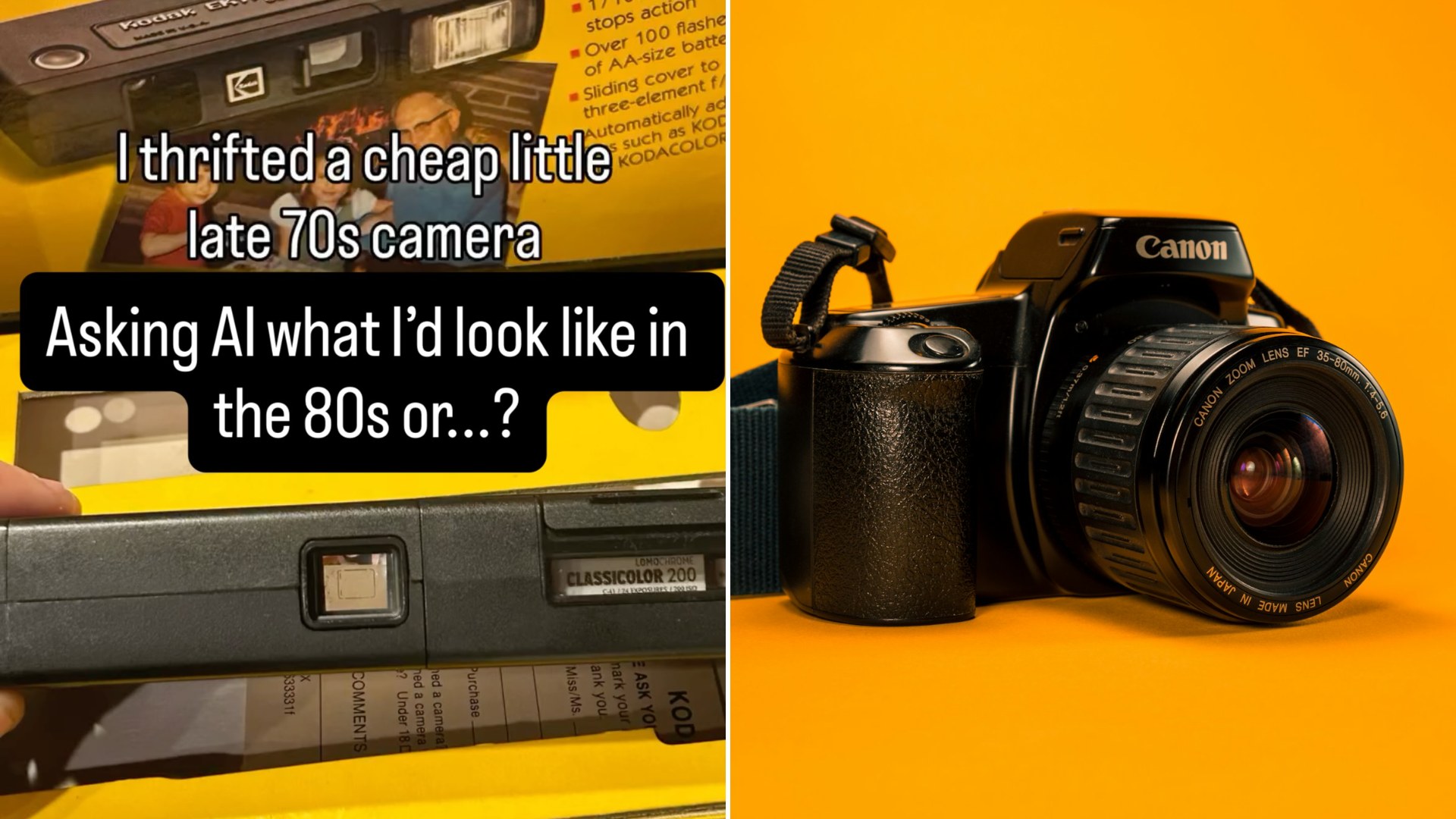
Some creators chase 1980s nostalgia through costumes and props alone, but creator @malloryheartsyou takes a more technically ambitious route in a recent Instagram reel, using an actual vintage camera to shoot genuinely period-styled photos of herself and her friends. The result captures not just the fashion of the decade but its distinctive visual texture, the kind of authenticity that modern filters can only approximate.
Shooting on genuine vintage camera equipment rather than simply applying a retro filter to digital photos represents a meaningful distinction within the broader analog photography revival, and it’s one that serious vintage photography enthusiasts care about deeply. Film grain, color shifts, lens characteristics, and the specific way older cameras handle light and focus all contribute to a visual signature that digital filters, however sophisticated, still struggle to replicate perfectly. Shooting on actual period equipment guarantees an authenticity that no amount of post-processing can fully substitute.
The 1980s specifically occupies a particularly beloved place in photographic nostalgia, defined by a very recognizable combination of warm color casts, soft focus, and the particular flash characteristics of point-and-shoot cameras that dominated casual photography during the decade. These visual qualities have become so culturally iconic that they’re now deliberately recreated across countless digital filter apps, though achieving them through actual vintage equipment, as this video does, represents a considerably more involved and authentic approach than simply applying a preset digital effect.
This kind of project requires genuine technical knowledge and patience that distinguishes it from purely costume-based nostalgia content. Vintage film cameras demand manual focus, careful exposure judgment, and often an understanding of specific film stocks and their particular characteristics, none of which offer the instant feedback and endless retakes that digital photography allows. Successfully capturing a compelling, well-exposed photo on vintage equipment represents a genuine skill, and the stakes of potentially wasting a shot add real tension and commitment to the creative process that digital photography has largely eliminated.
The broader analog and film photography revival has grown substantially in recent years, driven significantly by younger generations drawn to the tactile, unpredictable, and intentional nature of shooting on film in an era otherwise dominated by effectively infinite, disposable digital images. For many younger photographers, shooting on film represents a deliberate rejection of digital photography’s instant gratification in favor of a slower, more considered creative process that rewards patience and genuine technical skill over sheer volume of images captured.
There’s also something worth noting about the social and collaborative dimension of a project like this one, which involves not just the creator herself but her friends as willing subjects and participants in recreating a specific aesthetic together. Group photography projects like this often function as genuine bonding experiences, requiring shared commitment to styling, posing, and aesthetic choices that go well beyond simply snapping a casual photo on a smartphone.
This kind of content also contributes meaningfully to the sustained demand for vintage camera equipment and film stock, both of which have seen renewed collector and hobbyist interest even as major camera manufacturers have scaled back or entirely discontinued much of their traditional film photography product lines. Working vintage cameras from the 1980s, along with compatible film, have become increasingly sought-after items specifically because of projects like this one, which depend on genuinely functional period equipment rather than purely decorative vintage pieces.
It’s also worth considering how recreating a specific decade’s photographic aesthetic serves as a kind of visual time travel, not just for the creator and her friends experiencing the process firsthand, but for viewers who recognize the resulting images as genuinely, convincingly evocative of actual 1980s snapshots rather than an obviously modern photo dressed up with a quick filter effect.
Ultimately, @malloryheartsyou’s project succeeds because it commits to authenticity at a technical level that distinguishes genuine analog recreation from easier digital shortcuts. In choosing to shoot on actual vintage equipment rather than simulate the look digitally, she captures something that feels genuinely transportive rather than merely referential — a small but meaningful act of honoring the specific craft that defined photography before digital convenience took over entirely.

Leave a Reply