

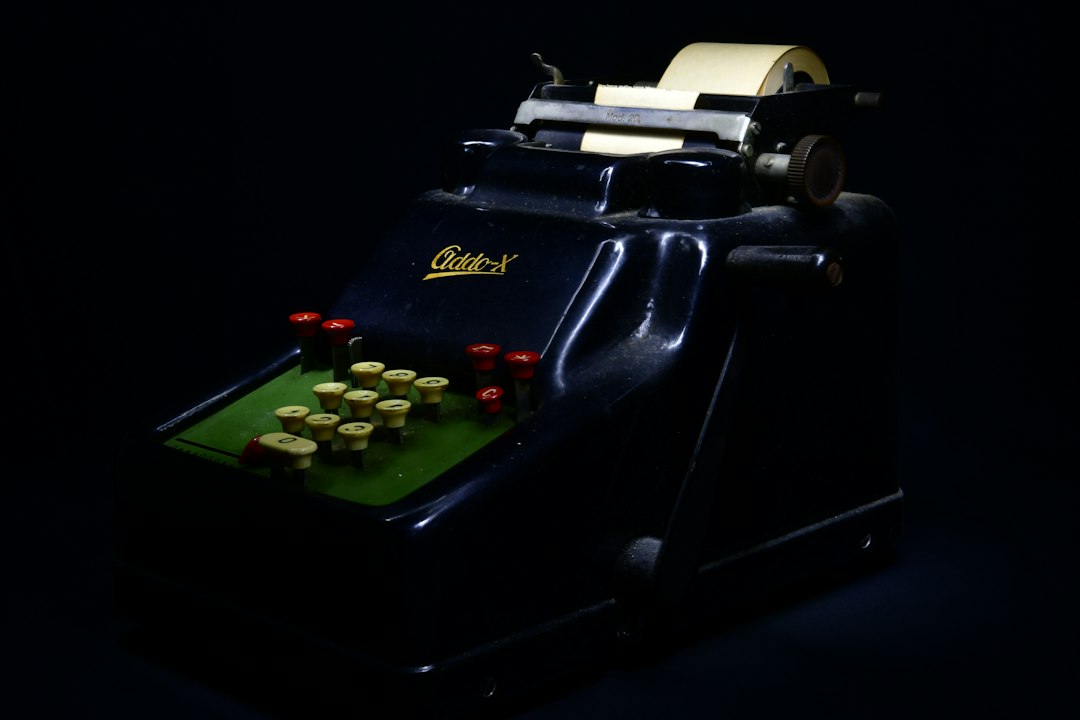
Long before pocket calculators and smartphone apps made arithmetic effortless, devices like the Curta calculator represented the absolute cutting edge of portable computation, and creator @rogers__lab puts one through its paces in a recent Instagram reel, cranking through a multiplication problem entirely by hand using nothing but the device’s ingenious mechanical gearing.
The Curta calculator holds a near-mythical status among mechanical engineering enthusiasts and vintage technology collectors, and for good reason. Designed by Curt Herzstark, who conceived much of the device’s intricate internal mechanism while imprisoned in a Nazi concentration camp during World War II, the Curta went into commercial production after the war and became renowned for packing a fully functional mechanical calculator — capable of addition, subtraction, multiplication, and division — into a cylindrical housing small enough to fit comfortably in one hand, a genuine engineering marvel for its era.
What makes watching a Curta in operation so mesmerizing is the pure mechanical transparency of the process. Every digit entered, every crank of the handle, visibly and audibly advances a complex internal system of gears, cylinders, and counting mechanisms, making the abstract process of calculation suddenly tangible and visible in a way that modern electronic calculators, with their silent, invisible processing, simply cannot replicate. Watching numbers tick into place through pure mechanical motion offers a genuinely different, almost meditative experience compared to the instant, opaque results of pressing buttons on a digital device.
The Curta’s story is also inseparable from its remarkable survival into the digital calculator era. Despite the arrival of electronic calculators in the 1970s, which quickly rendered mechanical calculating devices commercially obsolete almost overnight, the Curta maintained a devoted following among engineers, rally car navigators, and collectors who appreciated both its mechanical elegance and its continued reliability in situations where battery-powered electronics might fail or prove impractical, including notably in motorsport rally navigation well into the era of electronic alternatives.
Among vintage technology and mechanical calculator collectors, the Curta occupies a particularly prestigious tier, commanding significant prices on the collector market precisely because of its combination of genuine historical significance, extraordinary engineering complexity, and relatively limited original production numbers. Unlike many vintage calculating devices that were produced in enormous quantities and remain relatively easy to source, well-preserved and fully functional Curta units represent a genuinely scarce and sought-after category within the broader vintage technology collecting world.
This kind of mechanical computing nostalgia also speaks to a broader fascination with understanding how complex problems were solved before digital technology made solutions instantaneous and effectively invisible. Watching someone methodically work through a multiplication problem using pure mechanical means offers genuine insight into the ingenuity required to automate calculation before electronic computing existed, highlighting just how much creative engineering went into solving problems that today’s devices handle without any visible effort or process at all.
There’s also something worth appreciating about the specific craftsmanship required to design and manufacture a device this mechanically complex at such a small scale. Every gear, cylinder, and mechanism inside a Curta had to be precision-machined to extraordinarily tight tolerances to function reliably, representing a level of manufacturing precision that remains genuinely impressive even by modern standards, let alone within the constraints of mid-twentieth century manufacturing technology.
It’s also worth noting how content showcasing devices like the Curta serves an important educational function, introducing younger audiences who have only ever known digital calculation to an entirely different paradigm of computing that relied purely on mechanical ingenuity rather than electronics. For many viewers, a video like this one may represent their very first exposure to the idea that calculation could ever have been accomplished through visible, physical mechanisms rather than invisible electronic processes.
Ultimately, @rogers__lab’s demonstration succeeds because it treats the Curta not as a dusty museum curiosity but as a genuinely functional, fascinating piece of engineering still capable of doing exactly what it was designed to do decades after its creation. In an era when computational power has become so abstracted and invisible, there’s something quietly profound about watching a problem solved through pure, visible mechanical motion, one careful crank at a time.

Leave a Reply