

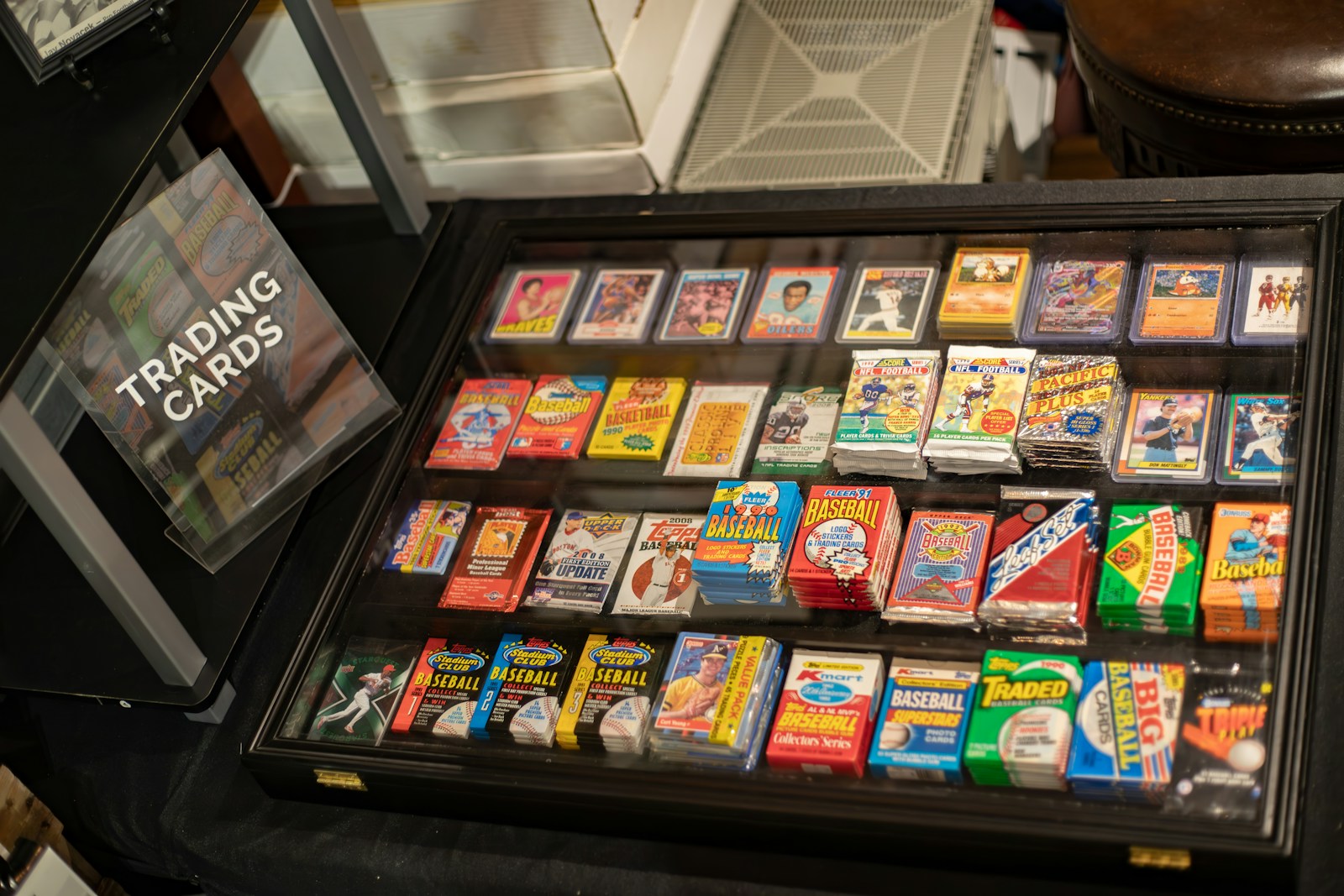
The hunt for a good deal doesn’t always happen in tidy antique shops with neatly labeled inventory. Sometimes the best material comes from exactly the opposite kind of setting, and creator @adamdeyonker proved that in a recent installment of his ongoing day-in-the-life series. He sits alongside a friend, sorting through a box of collectible trading cards while haggling over price with a seller whose home is surrounded by cluttered, hoarder-style stacks of belongings, turning what could have been a routine card purchase into a small, memorable character study of what the hunt for collectibles actually looks like in practice.
What sets this video apart from a typical collecting haul is the setting itself. A lot of collectible content shows the polished side of the hobby: a clean display shelf, a well-organized card binder, a triumphant reveal of a rare pull. This clip goes the opposite direction entirely, showing the messier, more unglamorous reality that often precedes those polished moments, the actual legwork of tracking down a seller, sitting in a cluttered space, and negotiating a price face to face rather than simply clicking “buy now” on a listing that’s already been curated and priced by someone else.

View this post on Instagram
The back-and-forth haggling captured in the video is really the centerpiece of the whole scene, and it’s easy to understand why it made for such compelling viewing. Negotiation is a fundamentally human interaction, full of small tells, strategic pauses, and the particular tension that builds when two people both know an item is worth something but disagree, at least initially, on exactly how much. Watching that dynamic play out in real time, rather than simply seeing a final price tag on an already-listed item, adds a layer of drama and unpredictability that a lot of collecting content simply doesn’t have access to, since so much of modern buying and selling has moved toward fixed prices and instant online transactions.
There’s also something genuinely compelling about the cluttered, hoarder-style environment surrounding the transaction. It’s a visual that immediately signals a certain kind of collecting archetype familiar to anyone who has spent time in this world: the seller who has accumulated decades of belongings, often far beyond what any single home can comfortably hold, and who is sitting, quite literally, on top of potential treasure buried among stacks of ordinary clutter. Sellers like this represent some of the best opportunities in the collectibles world precisely because the sheer volume and disorganization of their inventory means valuable pieces often go unnoticed or underpriced simply because no one has had the time or inclination to properly sort through everything.
Documenting this kind of day-in-the-life content, rather than just showcasing finished hauls, does something valuable for viewers who are curious about collecting but don’t necessarily understand what the process actually involves. It demystifies the hobby, showing that a lot of the real work happens well before anything gets photographed for a clean, polished post: tracking down leads, showing up to unpredictable and sometimes uncomfortable environments, and being willing to negotiate patiently rather than simply accepting or walking away from a first offer. That’s a very different picture than the curated, effortless-looking hauls that dominate a lot of collecting content online, and it’s arguably a more honest and more useful one for anyone actually interested in getting into the hobby themselves.
For anyone hoping to get into collecting trading cards or any other category of collectibles, there’s a genuinely practical lesson buried in a video like this one. Some of the best deals aren’t found in curated shops or clean online listings; they’re found by being willing to go to messier, less conventional places and sellers, and by being patient enough to negotiate rather than simply accepting whatever price is initially quoted. It requires a certain comfort with uncertainty and a willingness to sit through an awkward or slow negotiation, but that willingness is often exactly what separates casual collectors from the ones who consistently walk away with the best finds at the best prices. Comfort in cluttered, unpredictable settings, in other words, can be just as valuable a collecting skill as knowing what a card is actually worth in the first place.
There’s also something worth noting about the role a friend plays in a scene like this one. Negotiating alongside someone else, rather than showing up solo, changes the dynamic in small but meaningful ways, offering a second set of eyes on the merchandise, a second opinion on whether an asking price is reasonable, and simply moral support in what can otherwise be an uncomfortable, drawn-out conversation. Collecting is often framed as a solitary pursuit, but scenes like this one are a reminder that some of the best hauls happen when two people work a negotiation together rather than one person going it alone.
For viewers who enjoy this kind of day-in-the-life format, there’s real value in the ongoing nature of the series itself, since watching the same creators return to unpredictable, unglamorous settings again and again builds a much fuller picture of what serious collecting actually requires than any single polished haul reveal ever could.
Experienced pickers who regularly buy from private homes rather than shops also tend to develop their own informal etiquette for exactly this kind of situation, things like letting the seller name a number first, resisting the urge to visibly react to a genuinely underpriced item, and being willing to walk away from a stalled negotiation rather than pushing too hard. Those unwritten rules rarely get spelled out anywhere, which is part of why watching a real negotiation unfold on camera, tells, pacing and all, ends up teaching viewers something that no written buying guide could really capture on its own.

Leave a Reply