

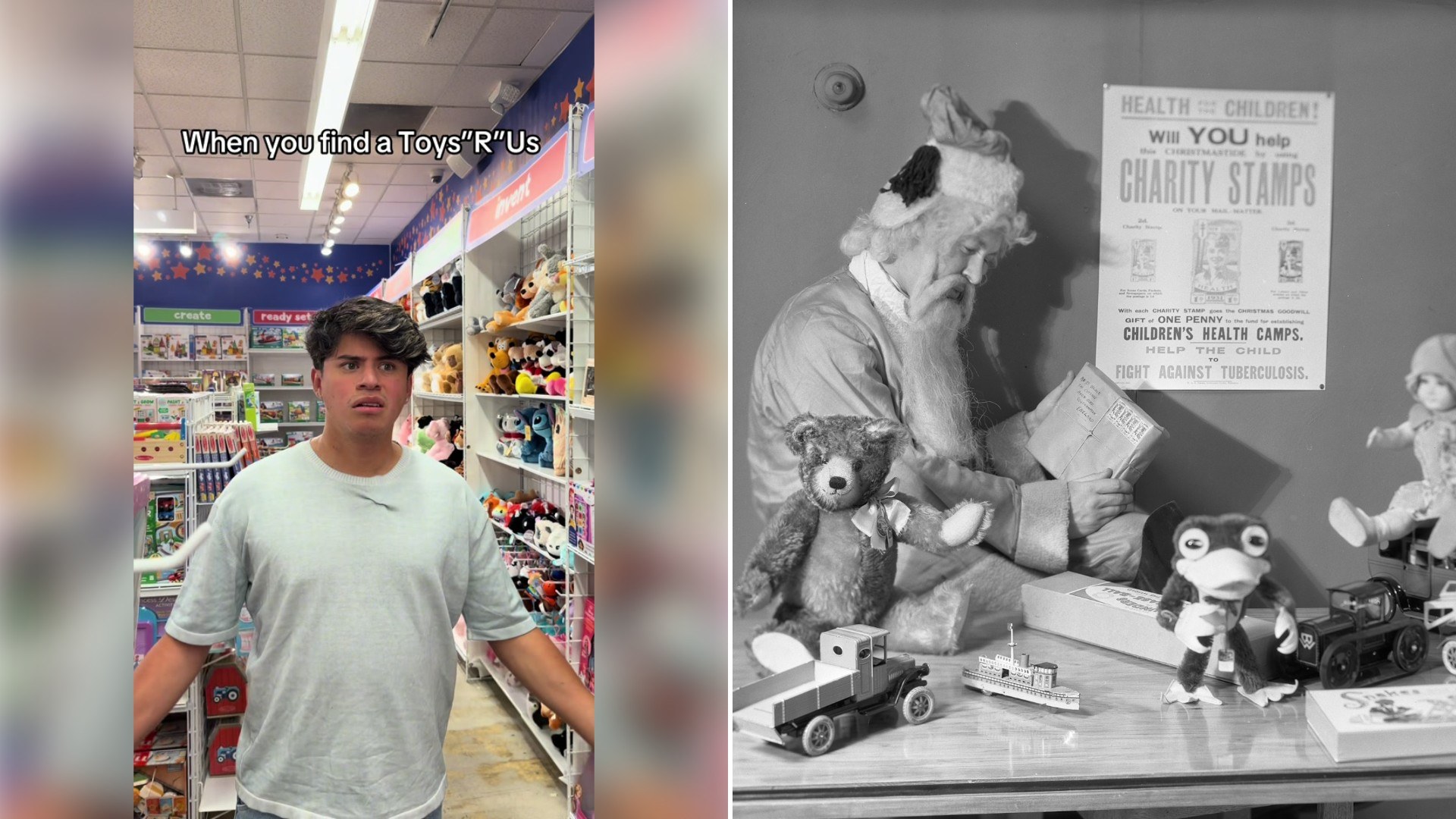
Few pieces of childhood nostalgia carry as much instant emotional weight for a certain generation as the sight of a Toys R Us sign, and creator @snazzycarlos captured exactly that reaction in a recent video, reacting with genuine, unfiltered excitement the moment the familiar logo comes into view. He narrates the entire walk toward the entrance with the kind of childlike enthusiasm most people reserve for actual childhood, building anticipation the way a kid might have once done heading into the store for a birthday shopping trip decades earlier.
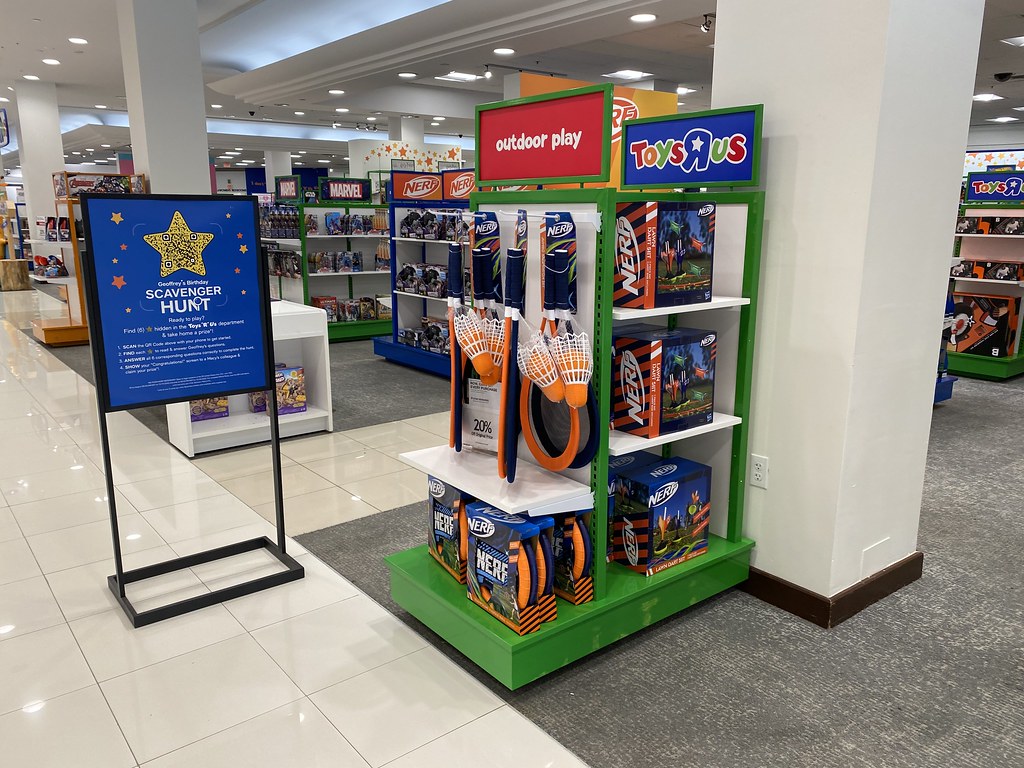
Then comes the tonal shift that gives the video its real punch. Once he actually steps inside, the excitement noticeably cools. The modern store layout and the selection on the shelves fall well short of the sprawling toy wonderland he remembers from visiting as a child in the 1990s, and that gap between memory and reality becomes the emotional center of the whole clip. It’s a familiar arc for anyone who has ever revisited a beloved childhood place as an adult expecting it to feel exactly the way it did decades earlier, only to discover that either the place has changed dramatically, or their own perspective has, or, most likely, some combination of both.
@snazzycarlos
Toys R Us specifically occupies a genuinely unique place in the nostalgic memory of anyone who grew up shopping there during its peak years. For a huge stretch of American retail history, it functioned as the definitive destination for toys, a massive, sprawling space that felt, to a child, almost limitless in scale and possibility. Aisles stretched on seemingly forever, packed floor to ceiling with every toy line a kid could imagine, and simply walking through the doors carried a sense of anticipation that few other stores could match. That specific memory, of scale and abundance, is exactly what makes the contrast with a smaller, more modern iteration of the brand land so hard for anyone who remembers the original version.
This kind of gap between childhood memory and adult reality is worth examining a little more closely, because it isn’t purely about the store changing, even though retail formats genuinely have shifted dramatically over the past few decades toward smaller footprints and leaner inventory. Part of what’s happening here is also a simple function of perspective. A store that felt enormous and endless to a small child will almost always feel smaller and more ordinary to that same person once they’ve grown into an adult with a fuller sense of scale and a lifetime of other retail experiences to compare it against. Nostalgia has a way of magnifying childhood memories, and revisiting the actual physical space later in life often reveals just how much of that original wonder came from a child’s limited frame of reference rather than the space itself being genuinely larger than life.
That said, the retail landscape really has changed substantially since the 1990s, and toy shopping specifically has been reshaped by the rise of online retail, big-box stores carrying expanded toy sections of their own, and broader shifts in how and where consumers choose to shop for children’s products. A dedicated toy superstore built entirely around the model of the 1990s doesn’t necessarily need to exist at the same scale it once did, simply because the shopping habits that originally supported that scale have shifted elsewhere. Recognizing that broader context helps explain the disappointment in the video without placing all the blame on the store itself, since much of what’s being mourned is really a retail era rather than any single specific location.
For anyone who has ever revisited a beloved childhood destination as an adult, whether it’s a specific store, a restaurant, an amusement park, or simply a neighborhood that’s changed since they last saw it, there’s a genuinely relatable lesson buried in this video. Expectations built entirely on childhood memory rarely survive contact with an adult return visit unscathed, not necessarily because the place has gotten objectively worse, but because the person doing the remembering has changed just as much as, if not more than, the place itself has. That doesn’t make the disappointment any less real in the moment, but understanding where that gap actually comes from can soften the sting a little and turn what feels like a loss into something closer to a genuine, if bittersweet, reflection on just how far both a person and the world around them have traveled since childhood.
There’s also a reason this kind of before-and-after emotional arc travels so well online, well beyond anyone who specifically remembers the original Toys R Us stores. The structure itself, building anticipation only to land on a deflating reality, is one of the most universally relatable storytelling shapes there is, showing up in everything from returning to a childhood home to revisiting a favorite restaurant that closed and reopened under new management. Viewers don’t need their own memory of this exact store to feel the emotional beat land, since almost everyone has their own version of walking back into a place expecting magic and finding something quieter instead.
For anyone planning their own nostalgic return trip to a childhood haunt, there’s a small piece of practical wisdom buried in this video: it’s worth going in with open curiosity rather than an expectation of recapturing the exact feeling from decades ago, since that specific feeling was never really about the location alone.

Leave a Reply