

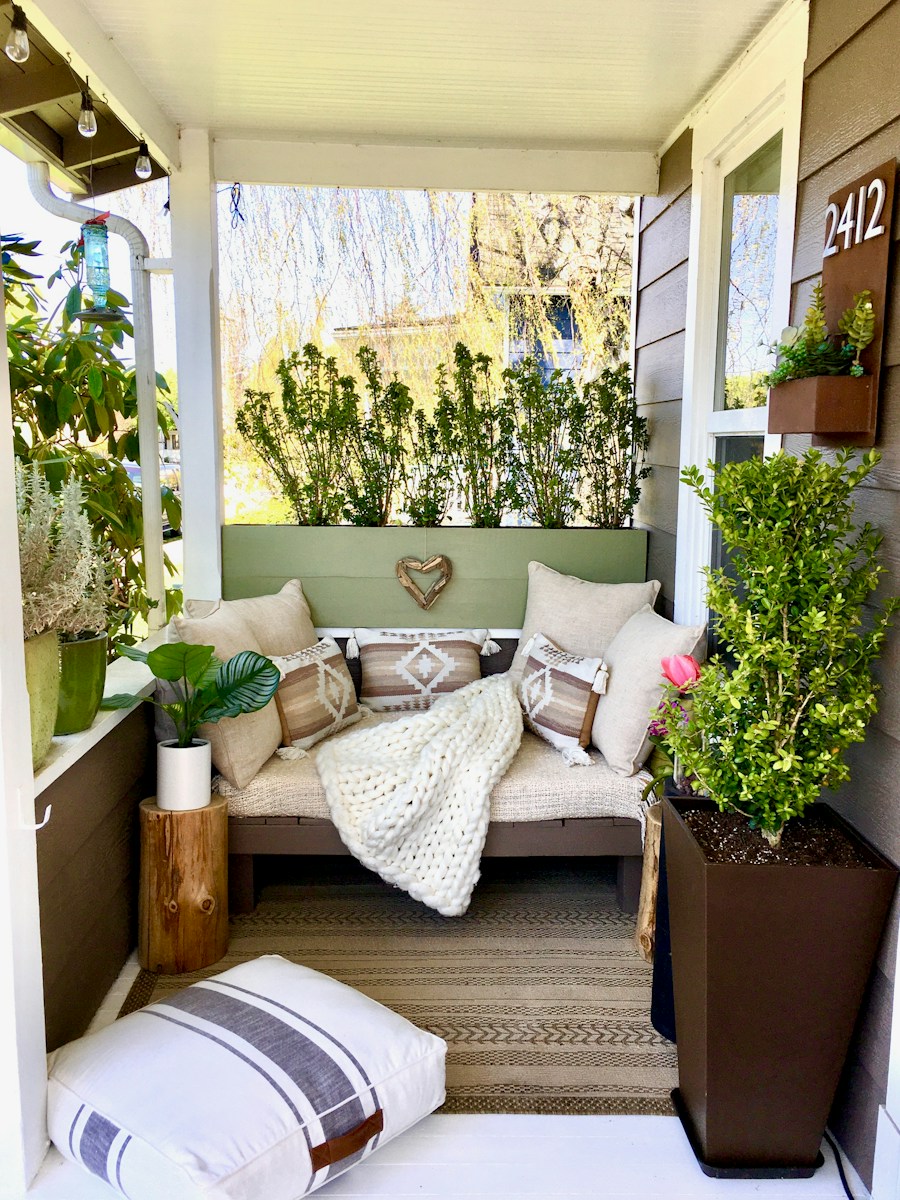
The idea of a room reserved for special occasions and largely off-limits the rest of the time made a certain kind of sense in an era of bigger homes, single-income households, and a stronger cultural emphasis on formality. For Gen Z, coming of age in a very different housing and economic reality, the concept just doesn’t compute the same way.
It’s less a rejection of the room itself and more a reflection of everything that’s changed around it. Here are nine reasons the off-limits room has fallen out of favor.
1. Square Footage Costs Real Money Now
Home prices and rents have climbed substantially relative to income for younger buyers and renters, which makes every square foot of a home feel more financially significant than it did decades ago. A room that sits empty 350-plus days a year represents a real, ongoing cost with no daily return, and Gen Z tends to do that math explicitly when evaluating whether a home layout makes sense for the price.
2. Most Are Living in Smaller Spaces to Begin With
Between smaller starter homes and apartment living, a lot of Gen Z households simply don’t have the square footage to dedicate an entire room to occasional use in the first place. Every room has to serve a genuine daily function, which leaves no real room, literally, for a space that exists mainly to look nice for guests a few times a year.
3. Remote and Hybrid Work Demands Flexible Space
With work-from-home arrangements far more common for younger workers than for previous generations at the same age, a spare room is far more likely to become a home office than a formal sitting room. That shift in daily need makes a permanently reserved, non-functional room feel like an active waste of exactly the kind of flexible space Gen Z actually requires.
4. They Grew Up in Open-Concept Homes
As Homes & Gardens has covered, open floor plans became the dominant new-construction layout for much of Gen Z’s childhood, blending living, dining, and kitchen space into one continuous area. Having grown up without separate, siloed rooms for different formal occasions, the entire concept of a distinctly “formal” room reads as an unfamiliar layout choice rather than an obviously sensible one.
5. Home Content Rewards Rooms That Get Used
A lot of home decor inspiration now circulates through video content showing people actually living in and using their spaces — cooking, working, relaxing. A pristine, unused formal room doesn’t generate the same kind of engaging content as a well-loved, lived-in space, and that shift in what gets shown and celebrated online has quietly reinforced a preference for rooms that show visible signs of actual use.
6. Renting Removes the Incentive to ‘Save’ a Room
Much of the impulse behind a formal, protected room was about preserving furniture and finishes for the long haul in a home you own and plan to stay in for decades. Gen Z, more likely to be renting or expecting to move within a few years, has less incentive to treat any single room as a long-term investment worth protecting from everyday use.
7. Casual Hosting Has Replaced Formal Entertaining
As commentary from outlets like interior design coverage of the shift has noted, entertaining trends have moved toward relaxed, mixed gatherings rather than formal sit-down occasions requiring a separate, dressed-up space. Without that kind of formal hosting happening regularly, there’s simply no occasion left to justify keeping a whole room in reserve for it.
8. Every Room Is Expected to Multitask
Gen Z’s approach to furnishing a home tends to prioritize flexibility — a guest room that’s also an office, a living room that accommodates both movie nights and a workout mat. A room with exactly one narrow, occasional purpose runs directly against that instinct toward multi-use design, which makes the single-purpose formal room feel like an inefficient use of space by comparison.
9. It Removes the Guilt Around Actually Living in a Space
Growing up with an explicitly off-limits room, however gently enforced, teaches a specific kind of caution around furniture and space that Gen Z generally doesn’t want to replicate in their own homes. Letting every room be genuinely usable, spills and wear included, removes that low-level anxiety around “nice” spaces entirely, which a lot of younger homeowners describe as a deliberate, considered choice rather than simply a byproduct of smaller square footage.

Leave a Reply