

For a certain kind of Boomer, taking something out of its box wasn’t just an unboxing, it was a small permanent loss of value. Plenty of items in these households were bought, admired, and then carefully returned to their original packaging, sometimes never to be touched again.
Gen Z’s relationship with new purchases runs almost entirely the opposite way: buy it, use it, enjoy it now. Here are nine things Boomers kept boxed up that leave Gen Z genuinely stunned.
Collectible Figurines, Never Removed From the Box
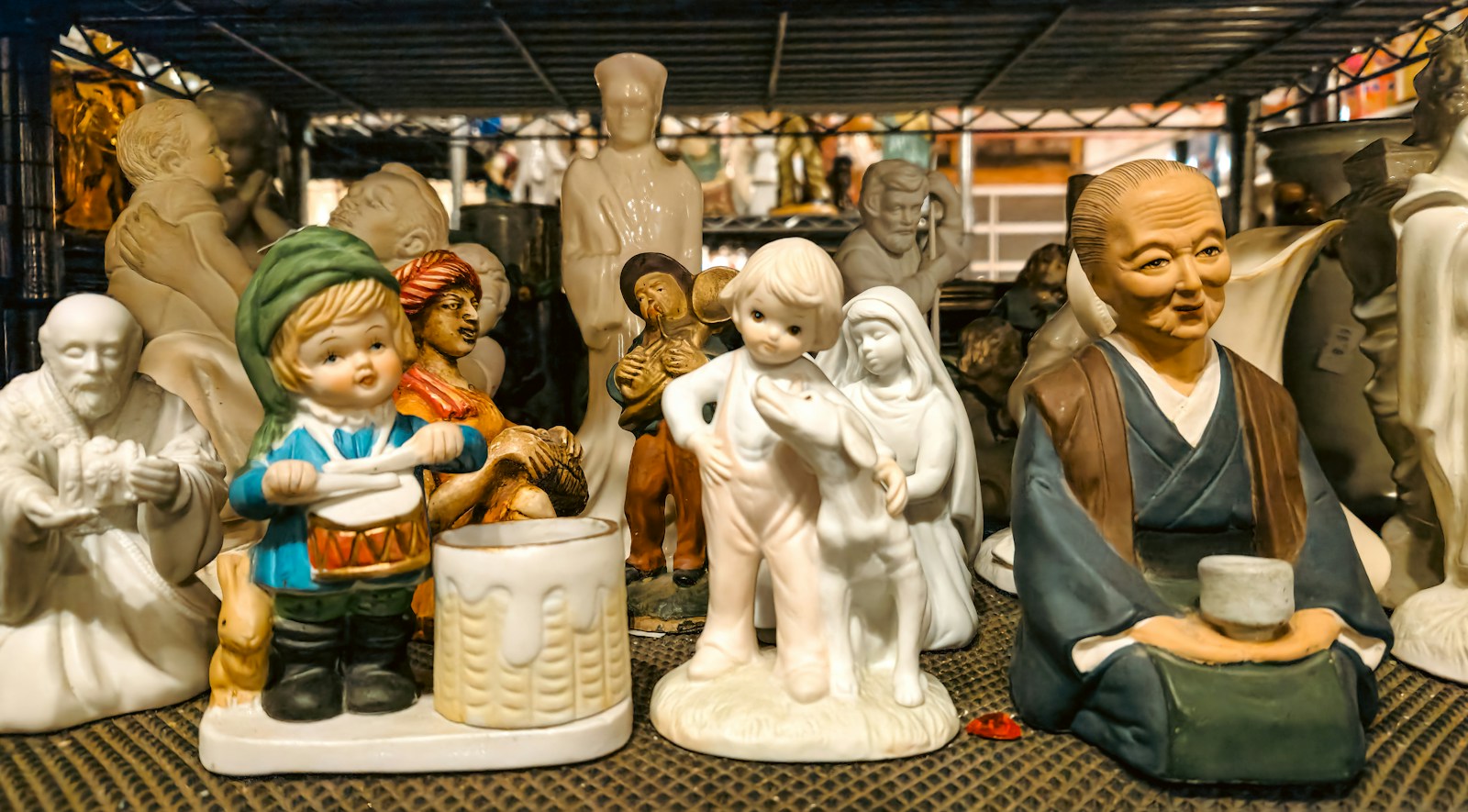
Porcelain and ceramic collectible figurines, sometimes purchased through mail-order collector clubs, were frequently kept in their original protective packaging indefinitely, on the theory that a boxed figurine holds its value far better than one displayed and exposed to dust or accidental breakage. The collecting itself often mattered more than actually looking at the piece. Gen Z, who generally buys decorative objects specifically to display them, finds the idea of a collectible permanently hidden in its shipping box almost self-defeating.
Barbie Dolls Kept “For Value”
Rather than letting a new Barbie doll get opened and played with, some Boomer parents kept special or collector editions sealed in their original box, banking on the idea that an unopened doll would be worth considerably more money someday. In practice, resale value rarely matched the sentiment behind the decision. Gen Z tends to see toys as meant for actual use and enjoyment, and finds the impulse to preserve a child’s toy purely as a hypothetical future investment a little sad.
A Small Appliance With Its Manual and Box, Just in Case
Blenders, toasters, and other small kitchen appliances often got tucked away with their original box and instruction manual carefully preserved for years after purchase, kept in case a warranty return or exchange was ever needed. The appliance itself got used regularly; the packaging just never left the house. Gen Z, who can usually find a manual online in seconds and rarely bothers with formal warranty returns, doesn’t see the point in permanently storing a bulky box for a return that will probably never happen.
Furniture Still Wearing Its Plastic Foot Protectors
New furniture sometimes ships with small plastic caps or films protecting the legs and feet from scuffs during transport, meant to be removed once the piece is in place. In some Boomer households, those protectors stayed on indefinitely, treated as a permanent safeguard rather than temporary shipping protection. Gen Z removes this kind of packaging automatically and immediately, seeing no reason a chair leg should still look like it just came off a delivery truck years later.
Beanie Babies With the Tags Still On
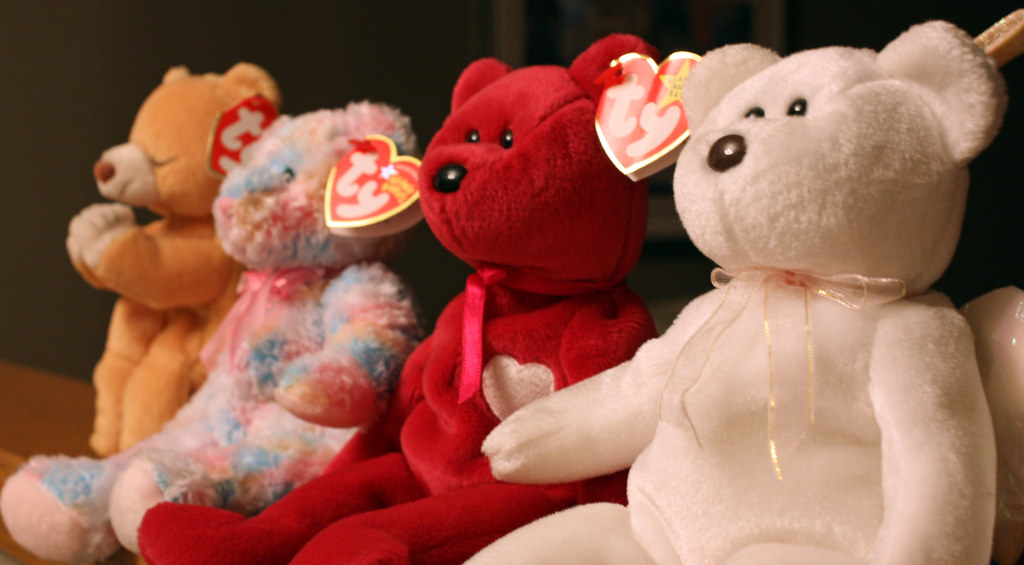
During the height of Beanie Baby collecting, keeping the plastic heart-shaped tag attached and protected in a plastic tag cover was considered essential to preserving a toy’s resale value, sometimes reaching genuinely high prices for rare pieces at the collection’s peak. Many of those same collections sit largely unsellable today, since the resale market never sustained those early prices. Gen Z generally sees the whole episode as a cautionary tale about buying anything purely as a speculative investment.
A Full China Set Still in Its Original Packing Crate
Rather than unpacking an entire inherited or gifted china set, some households kept it stored in its original shipping crate or box in a closet or attic, technically owning the set without ever actually setting a table with it. It stayed protected, but also completely unused. Gen Z’s instinct to actually use nice things they own means a china set would get unpacked and put into rotation almost immediately, rather than remaining boxed indefinitely for a future occasion that never quite arrives.
A Backup Appliance, Still Sealed, Waiting in the Garage
Finding a genuinely good deal on a small appliance sometimes led Boomers to buy an extra one specifically to have on hand as a replacement, storing it sealed in its box in a garage or closet for months or years until the original eventually failed. It was a hedge against future price increases or unavailability. Gen Z, generally reordering online whenever something breaks, doesn’t feel the same need to pre-stock a backup appliance well before it’s actually needed.
Commemorative Plates With Their Certificate of Authenticity
Limited-edition commemorative plates, often marking an event, anniversary, or public figure, came with a printed certificate of authenticity that many owners kept carefully filed alongside the plate itself, treating the paperwork as proof of a real, appreciating asset. Most of these plates never appreciated the way their marketing suggested. Gen Z tends to view the entire commemorative plate category with a mix of confusion and amusement, rarely seeing the appeal of decorative dishware that’s explicitly not meant for actual dinner use.
A Landline Phone Still in Its Display Box
Some households bought a spare corded or cordless landline phone as backup and simply left it in its retail packaging in a closet, available if the primary phone ever failed. Landline usage has declined steadily for years, making that backup increasingly unlikely to ever get used at all. Gen Z, who mostly doesn’t own a landline in the first place, finds the entire concept of a boxed spare phone waiting in reserve almost impossible to relate to.

Leave a Reply