

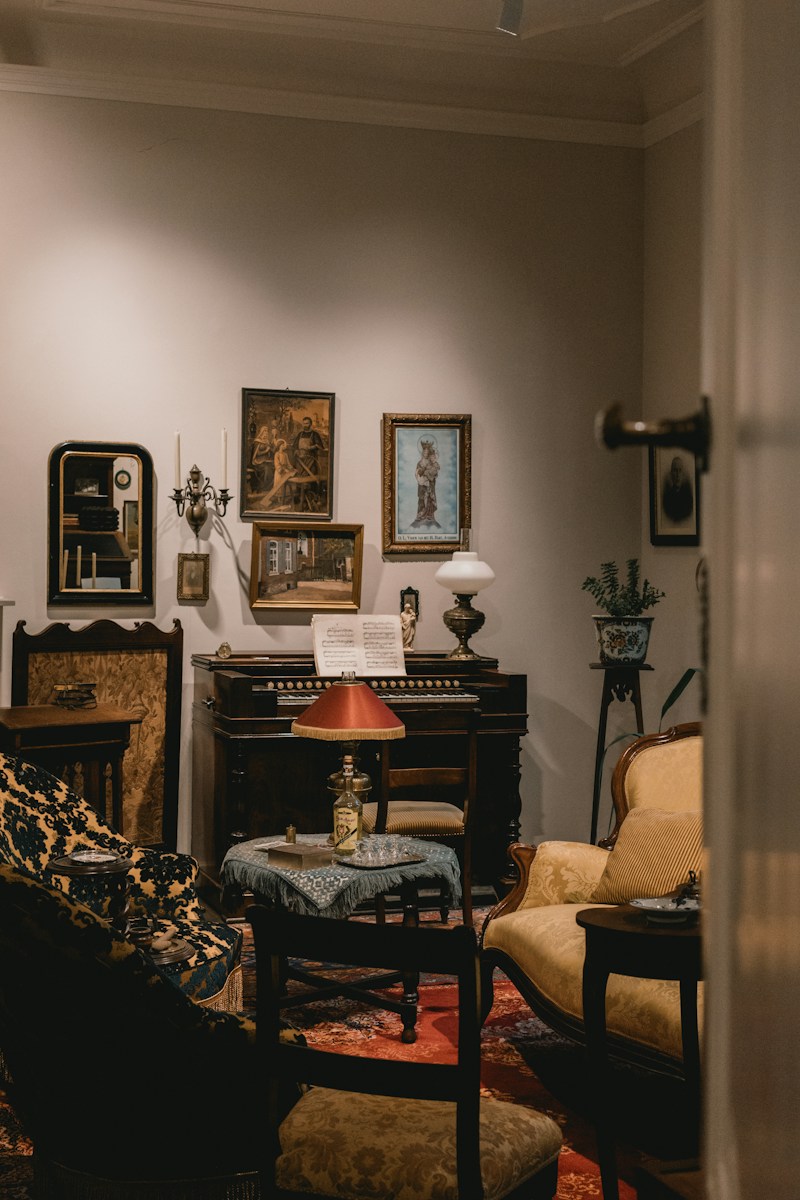
Not everything about the Boomer approach to homemaking deserves the eye roll it gets. Buried under the plastic couch covers and the matching furniture sets are a handful of genuinely practical habits that quietly kept homes running smoother, cheaper, and longer.
Gen Z is already showing signs of circling back to a few of these on their own terms, and the rest are worth a second look. Here are seven habits worth reconsidering before they’re gone for good.
Buying Furniture Meant to Last Decades
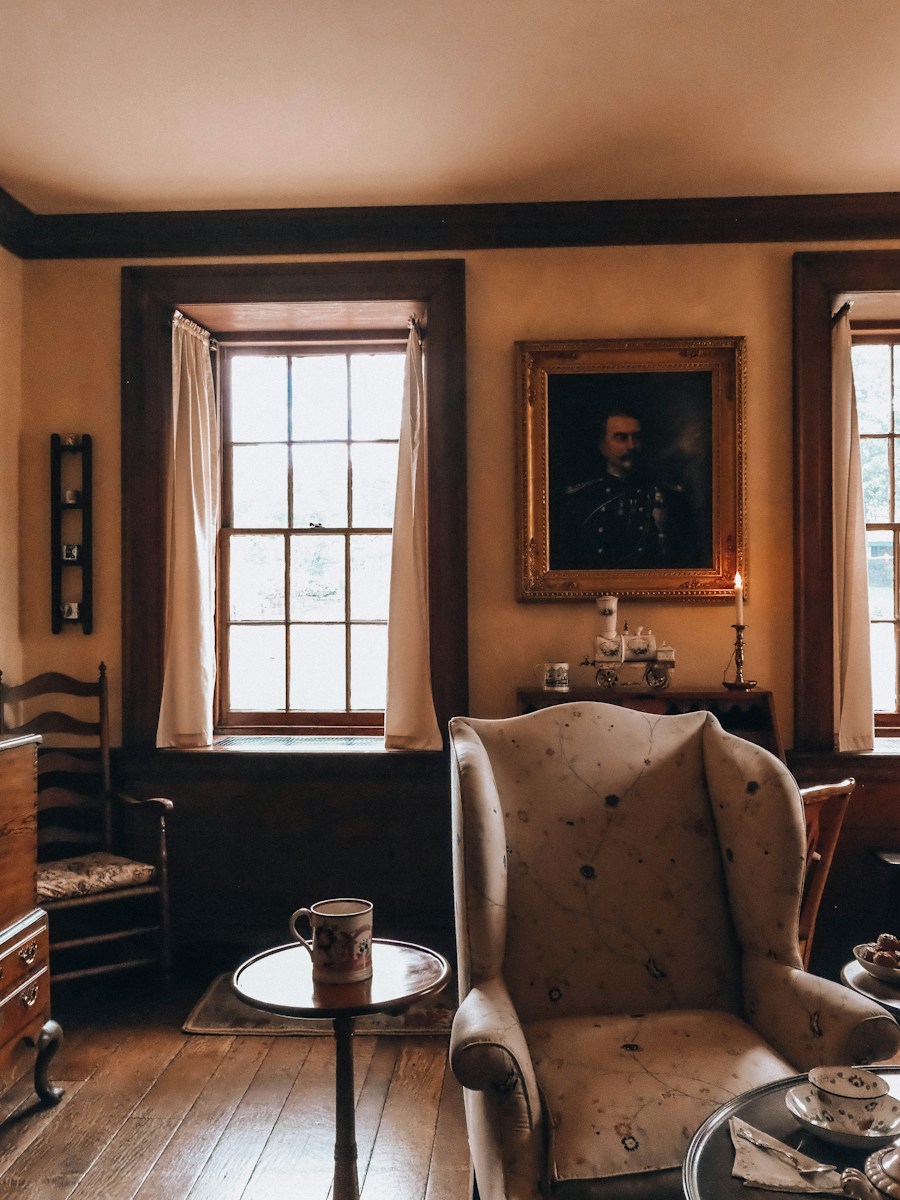
Boomers generally bought fewer, heavier pieces of furniture and expected them to last for the long haul, sometimes for their entire adult life. It meant a higher upfront cost but far less replacing things every few years. There are real signs Gen Z is coming back around to this instinct, with growing demand for vintage and well-built secondhand furniture at estate sales, driven partly by a desire for quality that recent reporting ties directly to younger buyers seeking durability over disposability.
A Regular Home Maintenance Routine
Boomers tended to treat basic home upkeep — cleaning gutters, changing furnace filters, checking smoke detector batteries on a schedule — as a non-negotiable seasonal ritual rather than a task to handle only after something breaks. That routine prevention saved real money on bigger repairs down the line. Renters and first-time homeowners in Gen Z sometimes skip this until a problem actually forces the issue, a gap that tends to cost more in the long run than the maintenance ever would have.
Keeping a Real Tool Kit at Home
A basic set of hand tools, kept stocked and easily accessible, meant a lot of small household repairs could get handled on the spot rather than requiring a call to a professional or a same-day errand. It was considered a baseline part of responsible homeownership. Gen Z, more likely to rent and less likely to have grown up doing hands-on repairs, sometimes lacks even a basic kit, a gap that turns small annoyances into bigger, more expensive delays.
Growing at Least Some of Your Own Food
Even a modest backyard vegetable patch or a few tomato plants gave a lot of Boomer households at least some hands-on connection to where part of their food actually came from, along with real savings on produce during growing season. It wasn’t treated as a hobby so much as a normal household task. Gen Z’s growing interest in houseplants and small container gardens suggests the instinct isn’t gone, just scaled down to match smaller living spaces.
Regular Sit-Down Family Meals
A consistent, scheduled sit-down dinner, with everyone present and phones largely absent from the table, was a genuine structural habit in a lot of Boomer households rather than an occasional special occasion. It built in a reliable daily touchpoint for actually talking to the people you live with. Busier, more individually scheduled Gen Z households sometimes let this slide, a habit worth protecting given how much research continues to link regular shared meals to stronger family connection.
Keeping a Physical Emergency Kit on Hand
Flashlights with fresh batteries, a first aid kit, a stash of candles and matches, kept in a known, accessible spot — this was standard practice in a lot of Boomer households, treated as basic preparedness rather than an overreaction. It meant a power outage or minor injury didn’t turn into a scramble. Gen Z, more reliant on a phone flashlight and same-day delivery for supplies, sometimes skips this basic prep entirely, a gap that becomes obvious fast the moment the power actually goes out.
Writing Things Down in a Physical Address Book
Boomers generally maintained a physical address book and a paper calendar as backup, independent of any single device that could be lost, broken, or run out of battery. It meant important contact information and dates survived any one piece of technology failing. Gen Z’s near-total reliance on phone contacts and digital calendars works well until a phone is lost, stolen, or dies at the wrong moment, at which point the old paper backup habit suddenly looks a lot more resilient than it used to.

Leave a Reply