

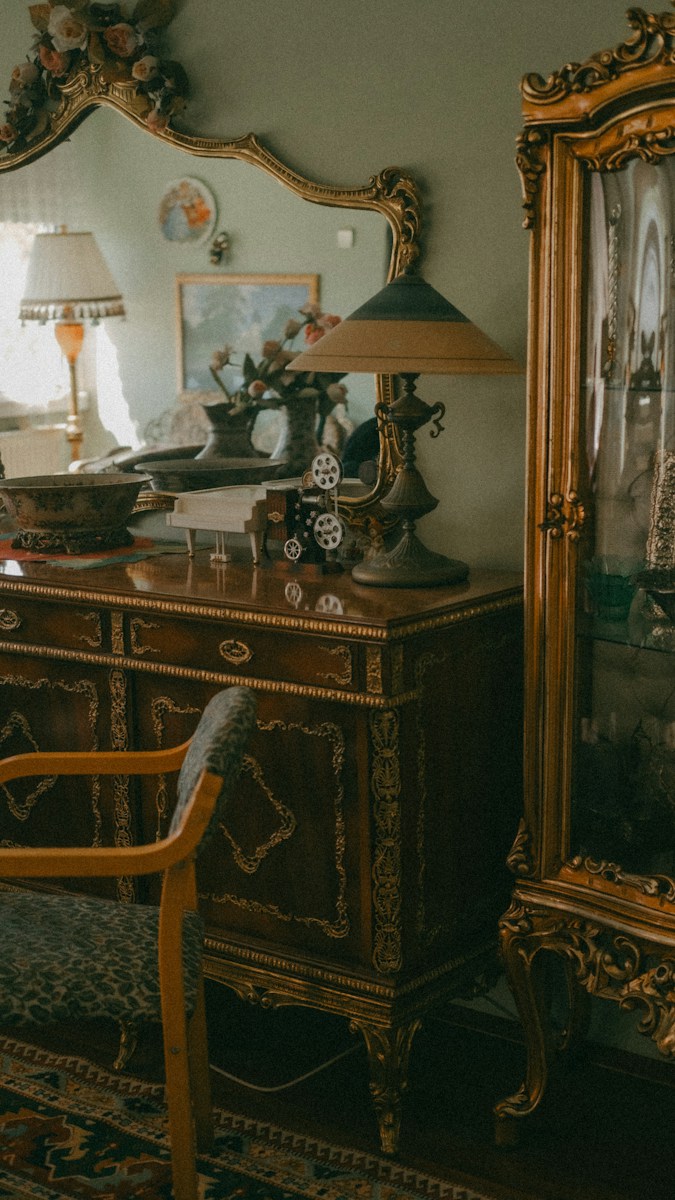
Furniture shopping used to operate on a very different set of assumptions: bigger rooms, longer-term homeownership, and furniture meant to be bought once and used for decades. A lot of that furniture was genuinely well-built — it just wasn’t built with a 700-square-foot apartment in mind.
Gen Z, largely furnishing smaller rentals and starter homes, has developed a very different set of priorities. Here are seven furniture choices that just don’t translate.
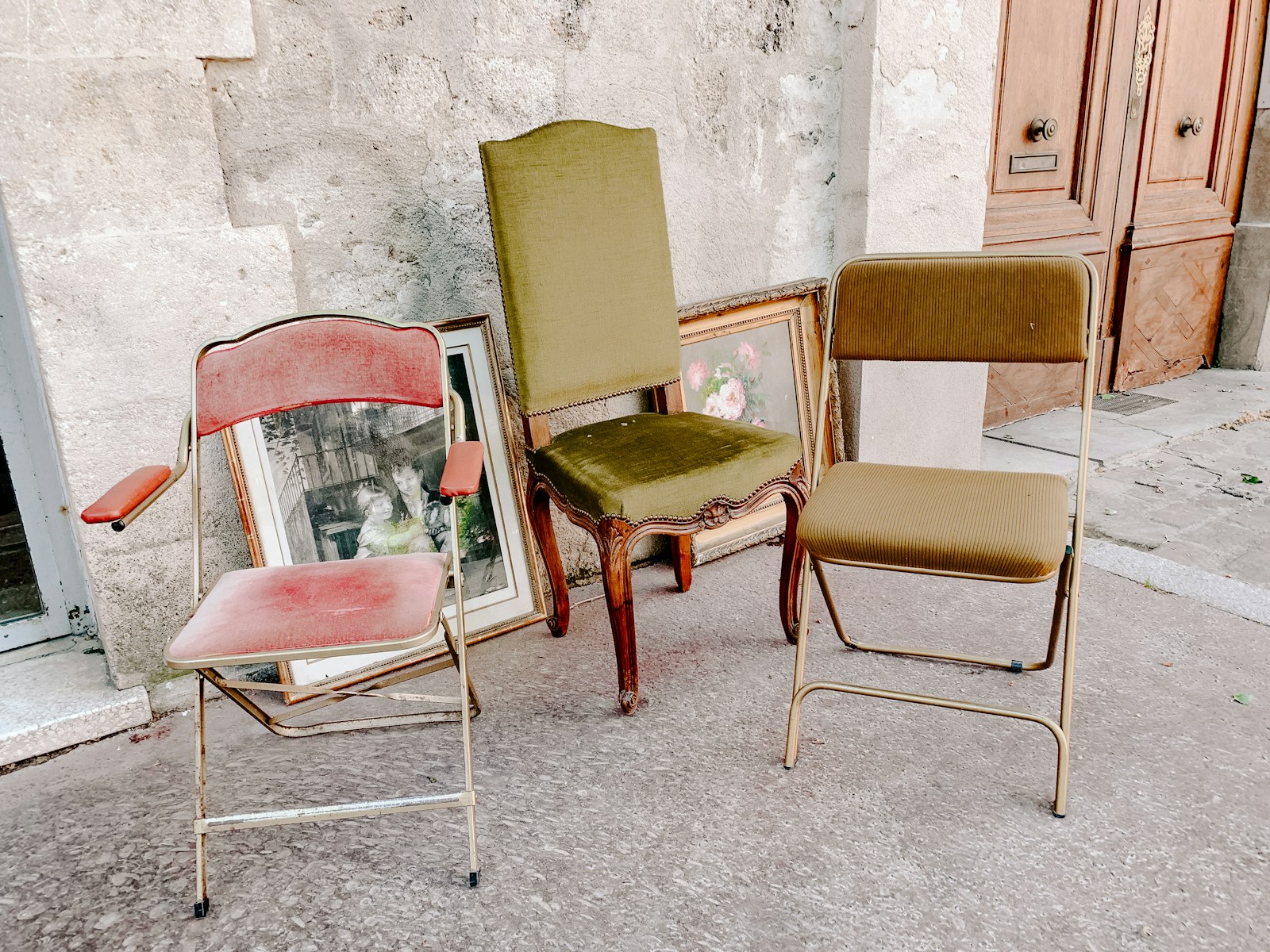
1. A Full Matching Bedroom Suite
A complete bedroom set — a tall dresser, a wide double dresser, a matching armoire, and two nightstands, all in the same wood and finish — was purchased as a single coordinated unit and expected to fill an entire bedroom. It’s an enormous amount of furniture, and in a smaller room, it can leave barely enough floor space to walk around the bed. Gen Z tends to mix and match individual pieces instead, buying only what a specific room actually needs rather than committing to a full matched set.
2. A Boxy Entertainment Center Built for an Old TV
Large wood cabinets, sometimes with pocket doors that slid to hide the television when not in use, were built specifically to house the deep, heavy CRT televisions common through the 1990s. Modern flat-screen TVs need a fraction of that depth, which leaves these units as oversized, mostly empty furniture that’s disproportionately large for what it now needs to hold. Gen Z generally opts for a slim wall-mount or a simple low console instead.
3. A Glass-Front Curio Cabinet
A tall, freestanding cabinet with glass shelving and built-in lighting, designed specifically to display a collection of figurines or china, takes up a meaningful footprint of floor space purely for showcasing objects rather than serving any functional storage purpose. In a small living room, that’s valuable square footage dedicated entirely to display rather than seating, storage, or open space, a trade-off Gen Z is generally unwilling to make.
4. A Pair of Matching Wing-Back Chairs
Two identical wing-back chairs, positioned symmetrically flanking a fireplace or window, created a formal, balanced look that was a hallmark of traditional living room design. Beyond their formal style, a matched pair of large chairs simply eats a lot of floor space for seating that, in a smaller home, might be better served by a single more flexible piece or a smaller loveseat that leaves room to actually move around.
5. An Oversized Sectional Meant for a Great Room
A large, multi-piece sectional sofa, often U-shaped and designed to fill a spacious family room, was a genuine statement of comfortable, generous seating for a big household. In a smaller apartment living room, the same sectional can block walkways, overwhelm the room’s proportions, and leave little space for anything else. Gen Z furnishing smaller spaces tends toward a properly scaled loveseat or a compact two-seat sofa instead.
6. A Full Dining Hutch and Breakfront
A tall hutch with both open display shelving and enclosed cabinet storage below, matched to a formal dining table, was designed to anchor an entire dining room and provide storage for a full set of china and serving pieces. It’s a substantial piece of furniture on its own, and in a home without a dedicated dining room, there’s often nowhere reasonable to even put it, let alone fill it with the dinnerware it was designed around.
7. A Heavy Wooden Roll-Top Desk
A large roll-top desk, with its tambour cover and dozens of small compartments and cubbyholes, was a genuinely impressive piece of craftsmanship built for a home office or study with room to spare. It’s also large, heavy, and designed around paper-based organization systems that don’t map well onto how most people actually work today. Gen Z tends to favor a simple, compact desk that takes up a fraction of the footprint and leaves room for a smaller, more flexible workspace.

Leave a Reply