

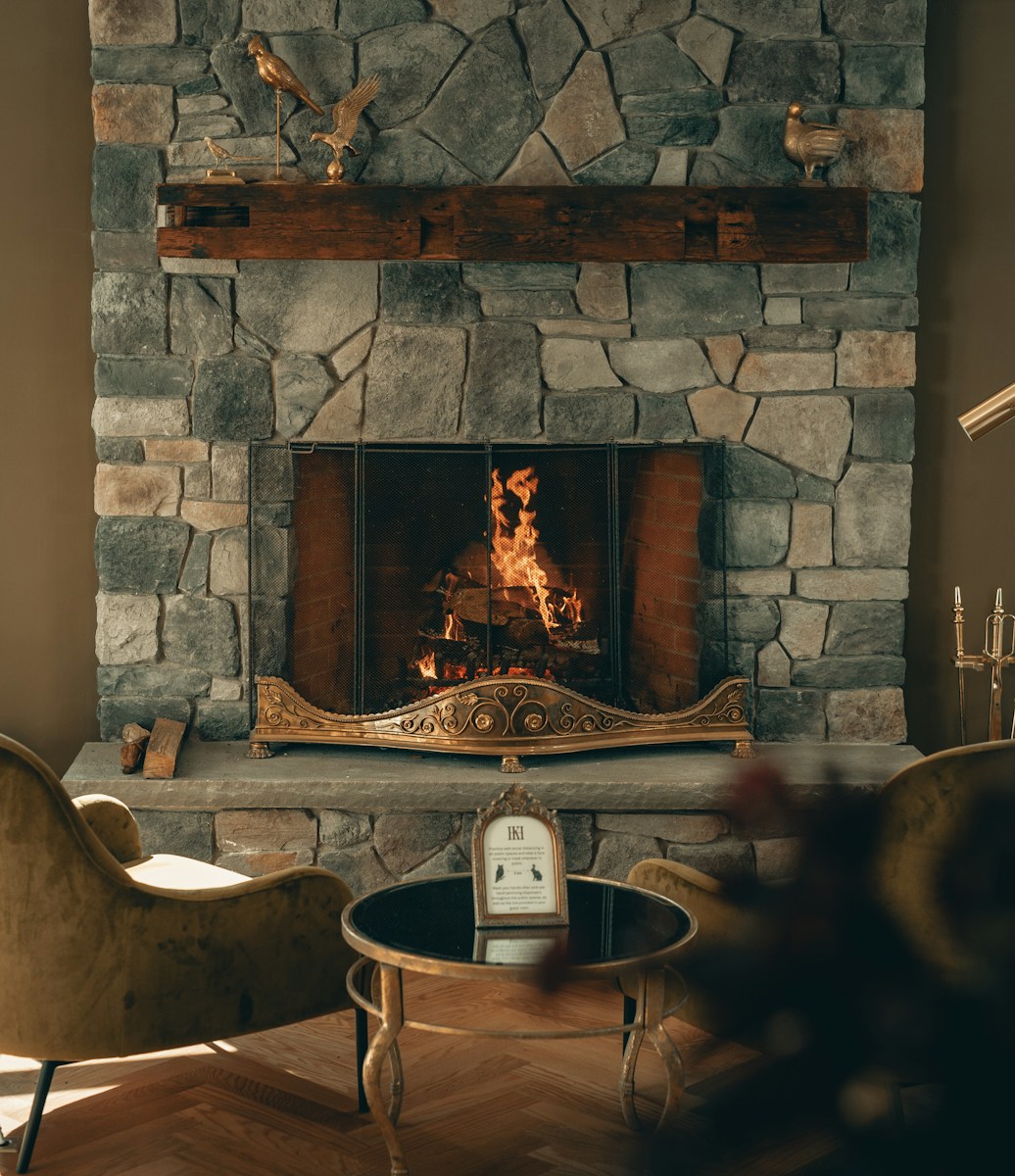
The mantel has always been treated as a home’s visual centerpiece, the one spot practically guaranteed to draw the eye the moment you walk into a room. Boomers took that responsibility seriously, filling it with pieces meant to make a statement.
Gen Z generally agrees the mantel deserves attention, they just disagree about what deserves to be up there. Here are six once-standard fireplace displays they’d relocate without much debate.
A Large, Ornate Gilded Mirror
An oversized mirror in a heavy gold or carved wood frame, centered directly above the mantel, was a classic way to add both light and formality to a living room’s focal point. It reflected the room back at itself in a deliberately decorative frame. Gen Z tends to prefer a simpler, thinner-framed mirror or artwork instead, finding the heavily ornate gilded style more suited to a formal dining room than the main gathering space of a home.
The Television, Mounted Directly Above
Mounting the TV straight above the fireplace became a hugely popular space-saving solution once flat screens made it physically possible, centralizing the room’s two main focal points into one wall. The problem, as many interior designers now point out, is the awkward neck angle required to watch comfortably from a normal seated position on the couch. Gen Z is far more likely to follow that same design advice, mounting the television at proper eye level on an adjacent wall and reserving the mantel for something meant to actually be looked at while relaxing.
A Taxidermy Piece or Hunting Trophy
A mounted fish, deer head, or other taxidermy piece was a genuine point of pride in some Boomer households, often displayed prominently above the fireplace as a conversation piece and a record of a specific hunting or fishing trip. It signaled a hobby as much as it did decor. Gen Z’s design sensibilities skew away from taxidermy almost entirely, generally preferring artwork or a large mirror in that same prominent spot rather than a preserved animal as the room’s centerpiece.
A Strict Grid of Family Photos
A tightly arranged, symmetrical grid of family portraits, all in matching frames, was a common way to fill the wall space above a mantel with something personal and coordinated. The uniformity was the whole point. Gen Z’s gallery wall instinct runs more eclectic and asymmetrical, mixing frame styles, artwork, and photos together in a looser arrangement, and tends to see the rigid grid format as feeling more like a corporate lobby than a warm family display.
A Collection of Porcelain Figurines
Delicate porcelain figurines, sometimes collected over years or passed down as heirlooms, were frequently arranged along the mantel as a display of both taste and accumulated collecting. Each piece often had its own story or origin behind it. Gen Z tends to favor fewer, larger decorative objects on a mantel rather than a cluster of small collectibles, generally finding an assortment of delicate figurines more fussy than striking as a focal-point display.
An Ornate Gilded Mantel Clock
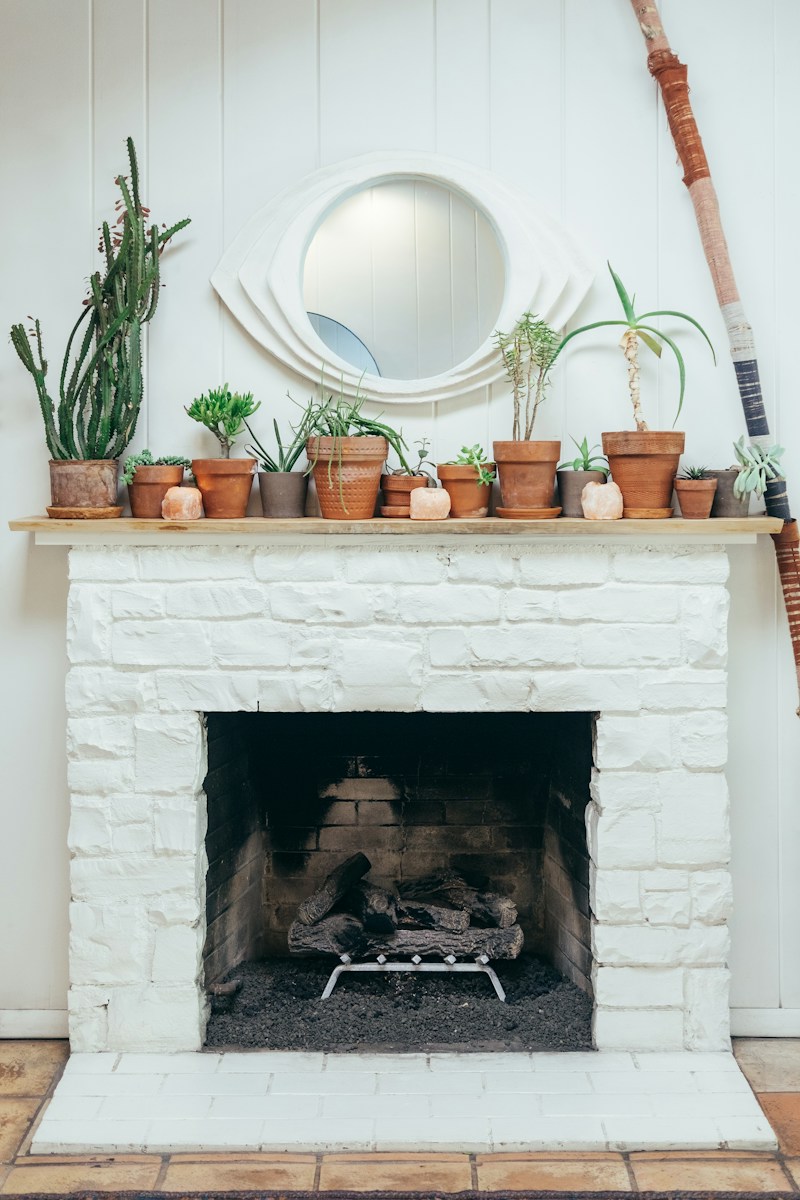
A decorative clock, often ornately cased in brass or gilded metal, was a traditional centerpiece for the mantel long before it was considered a design choice at all, since it also served as one of the home’s primary timekeeping devices. Its placement was as functional as it was decorative. Gen Z, who checks the time on a phone rather than a mantel clock, tends to treat the space as purely decorative real estate now, more likely to display art, candles, or greenery than a timepiece that’s since lost its practical job entirely.

Leave a Reply