

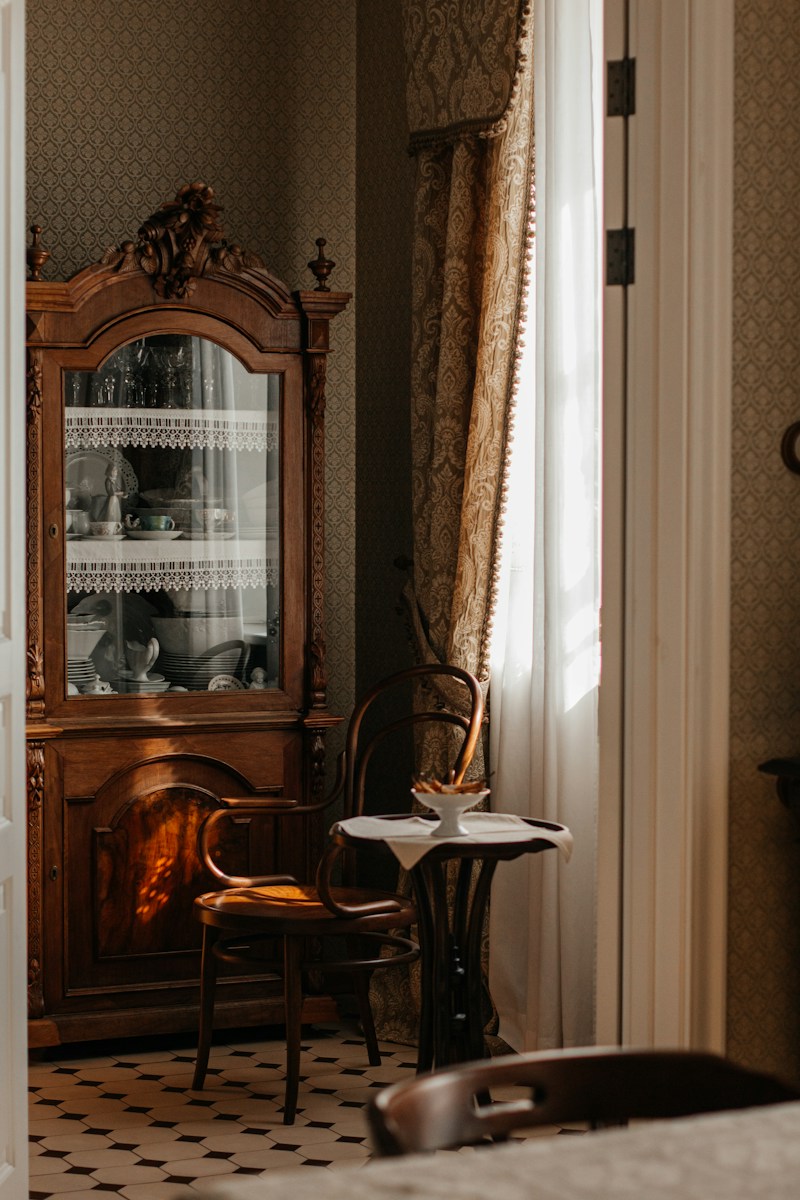
Every china cabinet eventually becomes a question mark for the next generation: what happens to all of this? For Boomers, the contents represent decades of careful acquisition, wedding gifts, and special-occasion memories. For their kids and grandkids, increasingly, the honest answer is that most of it just isn’t going anywhere.
As CBC News has reported, this generational handoff problem has become common enough to have its own name in estate and antique circles. Here are six specific categories causing the most friction.
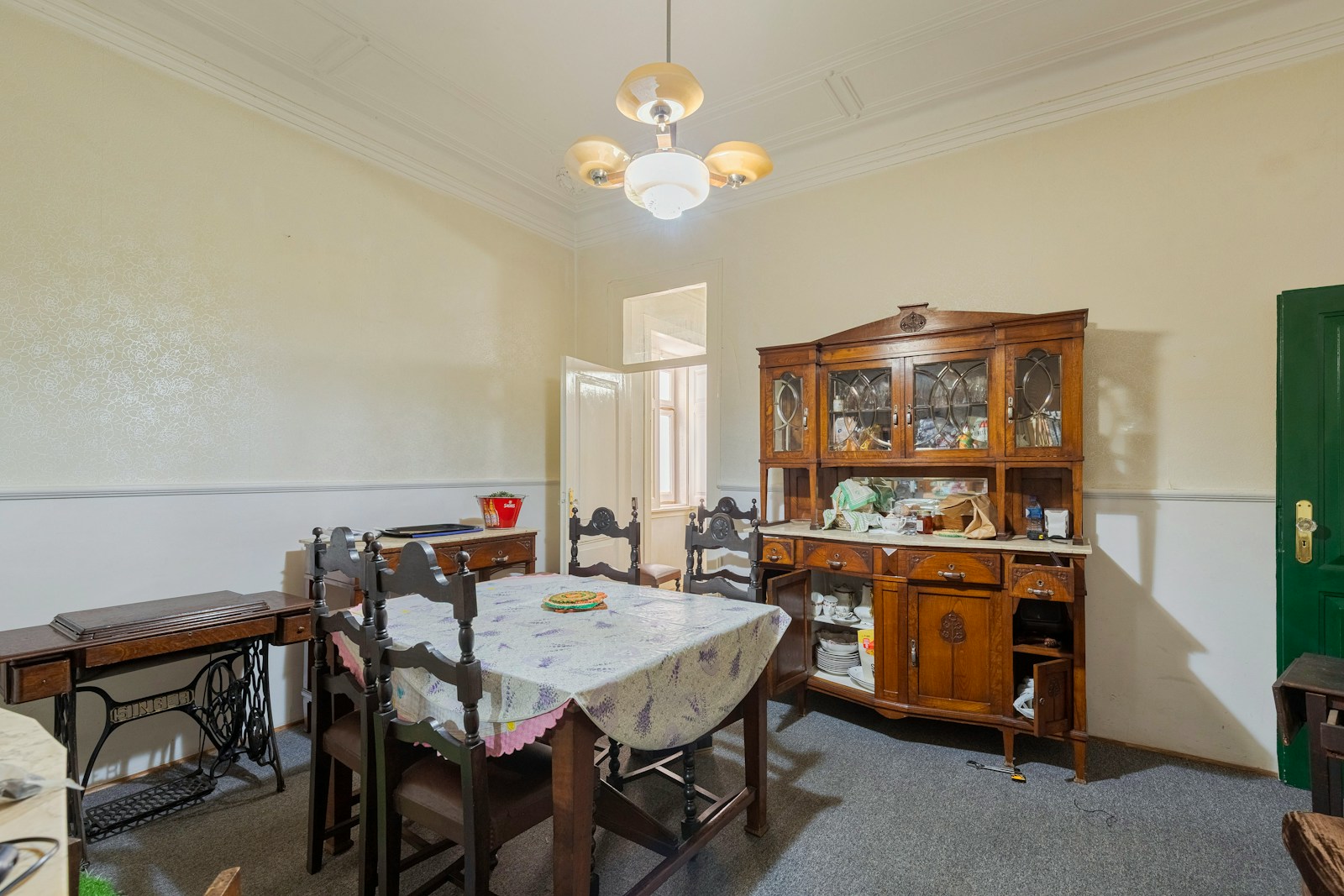
1. The Full Formal China Set
A complete set of matching china, often eight or twelve place settings with dedicated pieces for salad, bread, and dessert, represents real expense and careful preservation over decades. The trouble is twofold: younger households rarely host formal seated dinners at that scale, and a lot of ornate floral or gold-rimmed patterns don’t match a home’s overall aesthetic even when they would use it. Most end up donated, sold for a fraction of their value, or simply left in the original owner’s cabinet indefinitely.
2. Crystal Stemware Collections
Sets of hand-cut crystal wine glasses, champagne flutes, and water goblets, often purchased as wedding gifts, require careful hand-washing and generous cabinet space, two things in short supply for most younger renters. As The Kitchn notes in its look at modern uses for china cabinets, younger households increasingly prefer simpler, dishwasher-safe glassware that can handle actual daily use rather than a fragile set reserved for rare occasions.
3. Silver-Plated Tea Services
An ornate silver-plated teapot, sugar bowl, and creamer set, arranged on a matching tray, was a formal entertaining staple for decades, often displayed prominently even between uses. Silver plate requires regular polishing to avoid tarnishing, a maintenance task most younger owners have no interest in taking on for an item they’d rarely, if ever, actually use to serve tea.
4. Discontinued Wedding China Patterns
Many Boomers chose a specific china pattern at their own wedding decades ago, sometimes adding pieces to the set over years through anniversary gifts. Once a manufacturer discontinues a pattern, replacing a broken piece becomes difficult and expensive, and the overall set often can’t be easily resold as a complete collection. Younger family members inheriting an incomplete, discontinued set tend to see more hassle than heirloom in the arrangement.
5. Formal Silverware Sets Requiring Polish
A full set of genuine silver or silver-plated flatware, distinct from everyday stainless steel utensils, needs regular polishing to prevent tarnish and careful hand-washing to avoid damage, upkeep that made sense when the set was used often enough to justify the effort. Younger households, generally running one set of dishwasher-safe flatware for all occasions, tend to see a separate silver set as an extra maintenance obligation rather than an upgrade.
6. Cut-Glass Candy Dishes and Serving Bowls
Heavy cut-glass bowls and dishes, prized for the way they catch light and add sparkle to a table, were common wedding and housewarming gifts for decades. They’re also fragile, heavy, and generally single-purpose, sized specifically for candy or a particular kind of serving occasion. Gen Z’s preference for multi-purpose, easier-to-store serving pieces makes a cabinet full of specialized cut glass feel more like inherited clutter than a useful addition to their own kitchen.

Leave a Reply