

The bathroom might be the single room where Boomer and Gen Z design instincts clash the hardest. Decades-old bathrooms tend to hold onto their original fixtures longer than any other room in the house, partly because a full renovation is expensive and partly because a lot of these choices still technically work fine.
Still, if Gen Z were handed the keys to an untouched Boomer-era bathroom, the to-do list would start before the first night’s stay. Here are eight details topping that list.
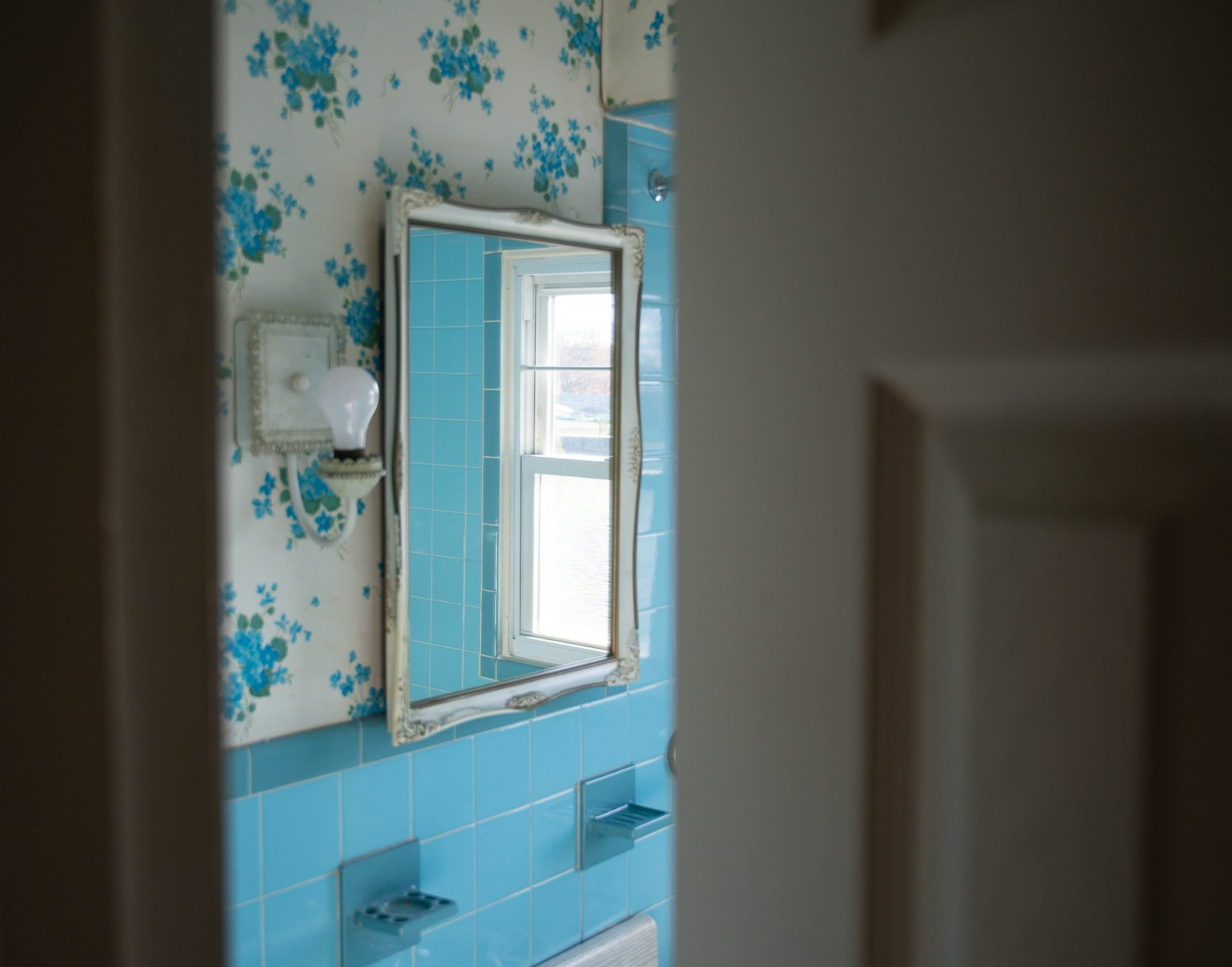
Pastel Tile in Pink or Mint Green
Entire bathrooms tiled floor-to-ceiling in soft pink or mint green were a genuine mid-century staple, chosen when pastel colors dominated home design more broadly. The tile itself is often still in excellent condition decades later, since ceramic tile is remarkably durable. Gen Z’s aesthetic runs toward neutral whites, warm woods, or bold single accent colors rather than an entire room in one pastel tone, and would prioritize retiling even over fixtures that are otherwise working perfectly fine.
Frosted Glass Shower Doors
Textured, frosted glass shower enclosures were the standard upgrade from a shower curtain for decades, offering privacy and a cleaner look without needing to coordinate fabric. The frosted pattern also hid water spots and soap scum reasonably well between cleanings. Gen Z generally prefers clear glass enclosures or a simple curtain, finding frosted glass’s dated, slightly cloudy appearance less appealing than either a fully open, clear look or a soft fabric alternative.
Wall-to-Wall Bathroom Carpet
Carpeting an entire bathroom floor, including right up to the toilet base, was a genuinely common choice for added warmth and softness underfoot in colder climates. It also, inevitably, absorbed moisture and odor in a room defined by both. Gen Z’s bathroom flooring preferences run firmly toward tile, vinyl, or other water-resistant materials, treating bathroom carpet as one of the more universally agreed-upon renovation priorities regardless of how well it was originally installed.
A Single Bulb Above a Fluorescent Strip
Medicine cabinet lighting in a lot of older bathrooms consists of a long fluorescent tube strip mounted above the mirror, casting a flat, slightly greenish light that few people would choose for getting ready in the morning. It was inexpensive and long-lasting, which mattered more than flattering tone at the time. Gen Z, heavily influenced by how lighting affects everything from skincare routines to photos, would swap it for warmer, more even vanity lighting almost immediately.
A Matching Toilet Lid, Rug, and Tank Cover Set
A coordinated fabric set covering the toilet lid and tank, paired with a matching bath rug, was considered a finished, cozy bathroom look for decades. It added softness to an otherwise hard, cold room. Gen Z’s hygiene instincts push firmly against fabric toilet covers specifically, viewing a cloth-covered toilet lid as genuinely difficult to keep clean, and would rather leave hard surfaces exposed and easy to wipe down than reintroduce fabric to that particular fixture.
A Built-In Tiled Soap Dish
Many older bathrooms have a small ceramic soap dish tiled directly into the shower wall, a permanent fixture installed at the same time as the surrounding tile. It’s sturdy and never needs replacing, but it also can’t be relocated, resized, or removed without retiling the whole wall. Gen Z prefers flexible, adjustable storage like a shower caddy or floating shelf that can hold modern bottles of shampoo and conditioner rather than a fixed dish sized for a single old-fashioned bar of soap.
No Exhaust Fan at All
Plenty of older bathrooms, especially ones with an operable window, were built without any mechanical exhaust fan, relying entirely on opening a window to manage steam and humidity after a shower. It worked reasonably well before longer, hotter showers became the norm. Gen Z, taking noticeably longer showers on average and living in more climate-sealed apartments, considers a proper exhaust fan close to non-negotiable for preventing mold and lingering humidity.
A Tub With No Separate Shower Option
Some older bathrooms were built with just a tub and a hand-held or fixed shower head mounted low, designed primarily around bathing rather than a full standing shower experience. It reflected a time when a quick bath was often the default. Gen Z, for whom a fast daily shower is the norm rather than a soak, would prioritize adding a properly positioned showerhead and enclosure well before addressing almost anything else on this list.

Leave a Reply