

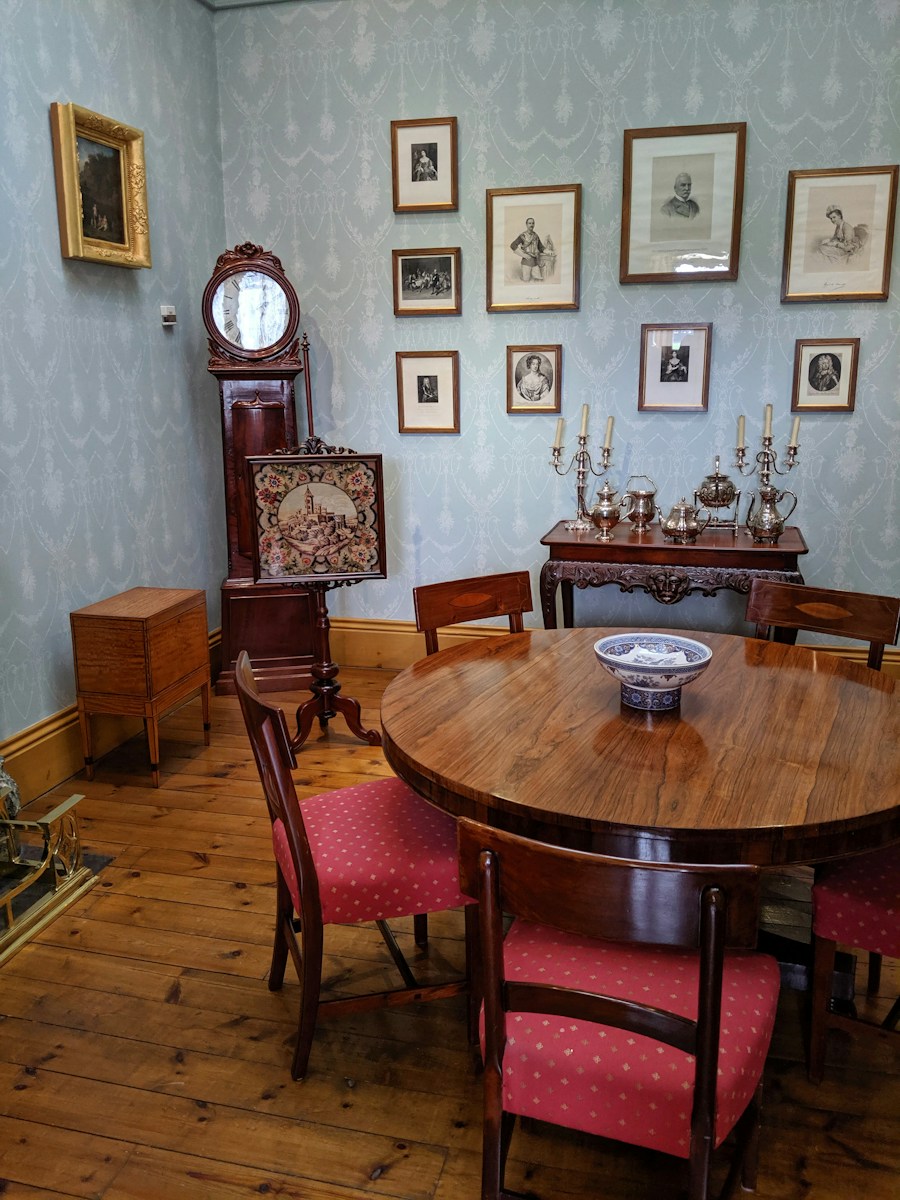
Somewhere in a garage, a storage unit, or still sitting in the actual dining room, there’s a heavy wood dining set that a Boomer parent has been carefully preserving for years, fully expecting one of their kids to eventually want it. Increasingly, the answer is a polite but firm no.
It’s not that the furniture is poorly made — often it’s built better than anything available today at a comparable price. It’s that it was built for a different life. Here’s why the handoff keeps stalling.
1. It’s Simply Too Big for Where They Live
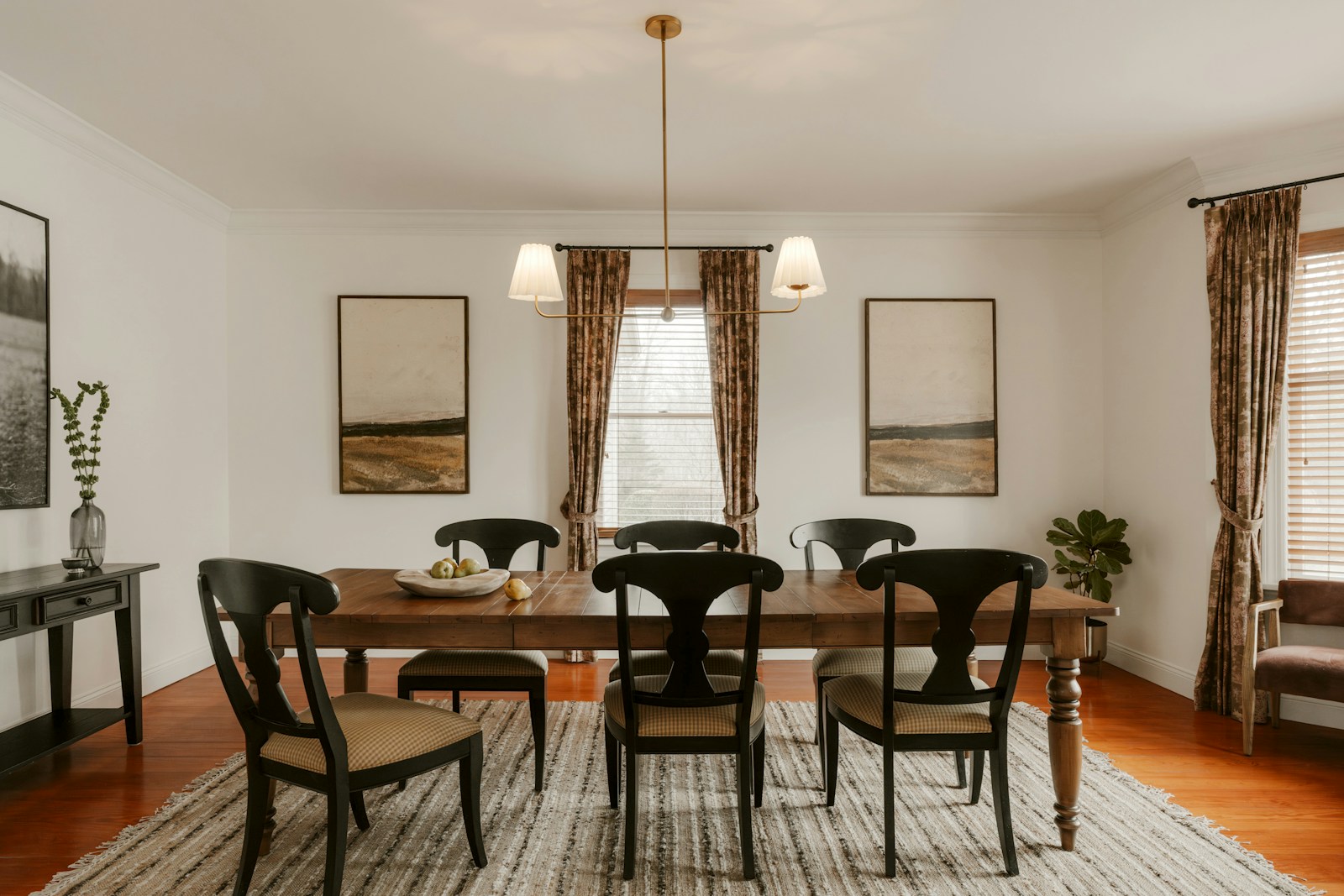
A table built to seat ten, plus a matching hutch and sideboard, was designed for a house with a dedicated dining room and the square footage to match. Most Gen Z adults are renting apartments or starter homes where that combination of pieces would swallow the entire living space. Even if they love the craftsmanship, the honest math on square footage rules the set out before taste even enters the conversation.
2. The Dark Wood Doesn’t Match Their Palette
Rich mahogany or cherry finishes, often with ornate carved legs and trim, were the standard for formal dining furniture for decades, chosen specifically to look substantial and traditional. Gen Z’s prevailing aesthetic leans toward lighter woods, painted finishes, or simple, unfussy silhouettes, which makes a heavy dark-wood set feel visually at odds with the rest of a home furnished in a completely different era’s style.
3. It Requires Real Maintenance
Solid wood furniture with a traditional finish generally needs periodic polishing, careful attention to humidity, and coasters under every single glass to avoid rings and water damage — upkeep that made sense for a piece meant to last multiple generations. Gen Z, generally furnishing homes with more replaceable, lower-maintenance pieces, often finds the idea of a table that requires ongoing care simply more responsibility than they’re looking to take on for a dining table.
4. The Matching Hutch Eats an Entire Wall
These sets rarely come alone — a table typically arrives with a matching china hutch or buffet, sized to display and store a full set of formal dinnerware. That’s a lot of dedicated storage for dishes many younger adults don’t own or plan to acquire. Without china to fill it, the hutch becomes an oversized piece of furniture with no clear job, which makes accepting the whole set feel like inheriting a storage problem rather than a useful one.
5. It’s Built for a Kind of Hosting They Don’t Do
The formal dining set assumes seated, multi-course dinners with place settings for a large extended family, the exact kind of gathering it was purchased to host. As commentary from outlets like Livingetc has noted, younger households increasingly favor more casual entertaining — buffet-style, standing, mixed seating — which doesn’t require a dedicated formal setup at all. A ten-seat table designed for one specific style of hosting doesn’t fit a lifestyle built around a different one.
6. Moving It Is a Genuine Logistical Headache
Solid wood furniture from this era is heavy — often far heavier than comparable modern furniture built with engineered wood or veneer over particleboard — which makes it expensive and difficult to move between the apartments and rentals that define most people’s twenties and thirties. A generation that expects to relocate every few years for work or life changes understandably hesitates to take on furniture that requires a moving crew just to get up a narrow stairwell.
7. The Style Doesn’t Photograph the Way They Want
A lot of home decor decisions now get made with at least half an eye on how a space will look in photos or on video, and heavy, ornate traditional furniture doesn’t fit the lighter, more minimal aesthetic that currently dominates that kind of content. It’s a somewhat unspoken factor, but a real one: furniture that reads as “grandma’s dining room” in photos tends to get quietly passed over in favor of something plainer, even when the grandparent’s set is objectively the better-built piece.

Leave a Reply