


Not every old-school home feature deserves the instant eye roll it gets on first impression. Some of the things Gen Z is quickest to mock in a Boomer house turn out to have genuinely smart reasoning behind them once you dig into why they existed in the first place.
It’s less a generational failure and more a knowledge gap: these features made obvious sense to the people who grew up with them, and only look strange once you’re seeing them for the first time with no context. Here are seven that usually earn a second look.
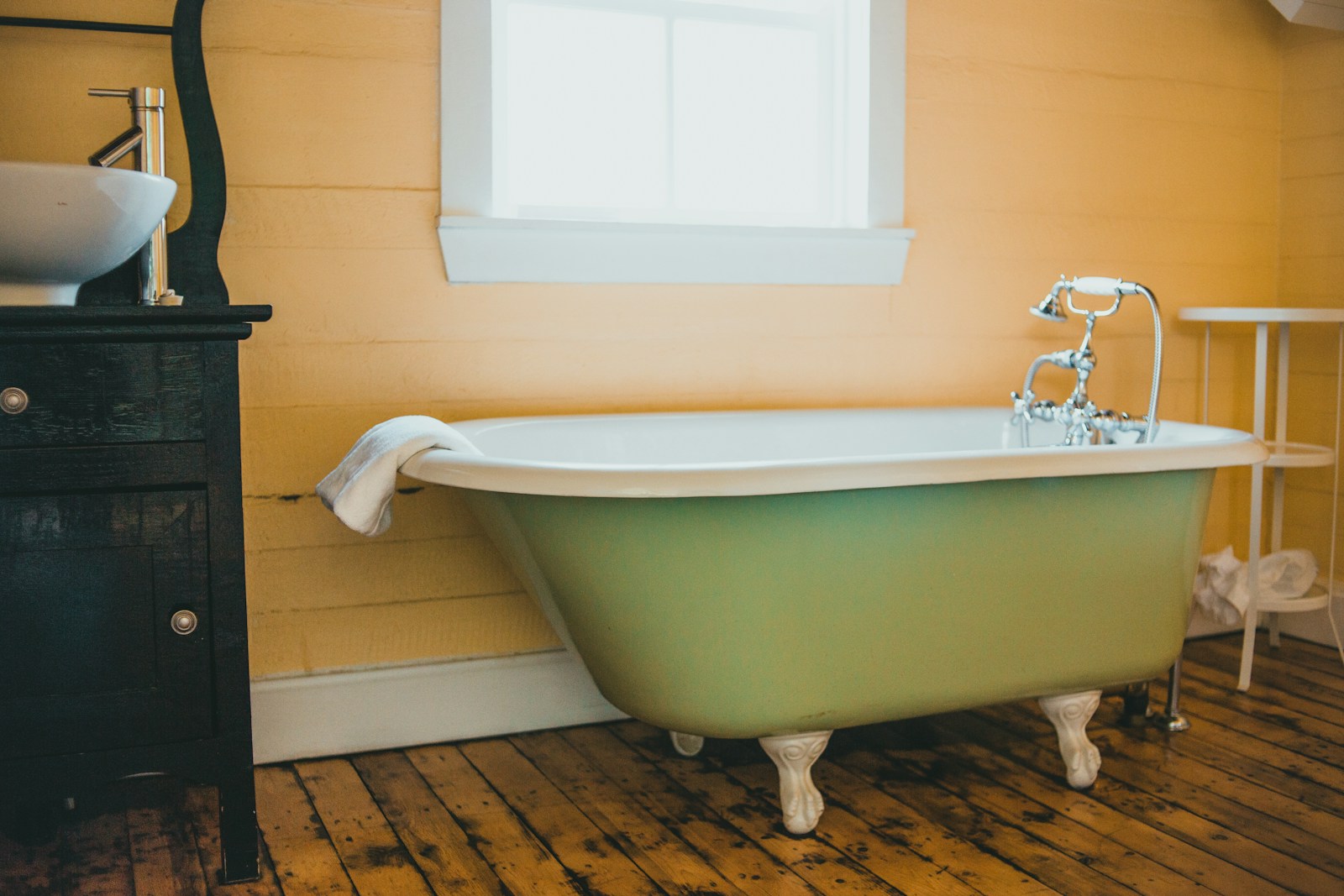
The Clawfoot Tub
At first glance, a heavy cast-iron tub perched on four ornamental feet looks like pure Victorian excess, impractical and hard to clean underneath. But the design actually solved a real problem: freestanding tubs could be moved and cleaned on all sides, in an era when built-in tile surrounds weren’t yet standard, and the material held heat far longer than modern acrylic. Once Gen Z tries an actual soak in one, the appeal clicks fast — it’s part of why freestanding tubs have made a genuine comeback in newer bathroom renovations.
The Formal Dining Room
A room used only a handful of times a year seems like wasted square footage to anyone raised on open floor plans. But separating meals from the kitchen’s mess and noise had real logic behind it, especially for big family gatherings where you wanted one calm space insulated from cooking chaos. It’s telling that the formal dining room is actually trending back into new home designs, with a 2025 trends report flagging a renewed appetite for a dedicated space to sit down and eat without a TV or laptop nearby.
The Three-Season Sunroom
An extra room that’s unusable for a quarter of the year sounds like a design flaw on paper. In practice, a sunroom was a genuinely clever, low-cost way to add livable square footage without the expense of full insulation and climate control, giving a family extra space for spring through fall at a fraction of an addition’s cost. Once Gen Z realizes they can get a plant-filled, light-flooded reading nook for a fraction of what a fully finished addition costs, the seasonal limitation starts to look like a reasonable tradeoff.
The Built-In Ironing Board Cabinet
A narrow cabinet in the wall that folds out into an ironing board looks like a strange, single-purpose relic to a generation that mostly avoids ironing altogether. But it solved a real space problem: rather than storing a bulky standing board in a closet, the whole setup tucked flush into the wall, out of the way until laundry day. For anyone who still irons regularly, or wants to reclaim closet space, it’s a genuinely efficient bit of built-in design that’s quietly making a comeback in small-space renovations.
The Root Cellar or Cold Pantry
A dedicated, unheated storage space sounds unnecessary when a refrigerator can hold everything. But before refrigeration was universal and reliable, a cool, dark pantry space kept root vegetables, canned goods, and preserves fresh for months without using any electricity at all. Gen Z’s renewed interest in home gardening, canning, and reducing grocery costs has quietly revived appreciation for the concept, even if most modern versions are really just a well-organized pantry closet rather than an actual underground cellar.
The Wraparound Front Porch
A big covered porch with no functional room attached can look like pure curb-appeal excess to someone weighing every square foot’s utility. But it served a real social purpose in eras before central air conditioning, offering a shaded, breezy spot to sit outside on a hot evening and actually see and talk to neighbors walking by. As Gen Z increasingly craves more casual, low-effort ways to socialize locally, the porch’s original purpose — slow, low-stakes connection with the people nearby — suddenly makes a lot more sense.
The Laundry Chute
A hole in the wall that drops clothes straight to the basement seems like an odd, single-use relic in a house with a stackable washer and dryer down the hall. But in multi-story homes without a laundry room on every floor, a chute eliminated the need to carry heavy baskets up and down stairs multiple times a week. Anyone who’s ever lugged laundry down two flights of stairs generally comes around fast to the idea that a gravity-powered shortcut was actually a pretty smart bit of household engineering.

Leave a Reply