

Of all the rooms in a house, the kitchen is where generational taste clashes hardest — probably because everybody actually uses it every single day. Boomers tend to defend their kitchen choices with real passion, citing durability, cost, and “they don’t make it like this anymore” logic.
Younger buyers, meanwhile, walk through these same kitchens mentally sketching a full gut renovation before they’ve finished the tour. Here are nine kitchen features that reliably spark this exact divide.
1. Wall-to-Wall Honey Oak Cabinets
Few materials say “kitchen built between 1988 and 1998” louder than a full wall of warm, yellow-toned oak cabinetry. It was chosen for genuine durability and a sense of natural warmth, and Apartment Therapy has tracked its slow return to fashion in smaller, more curated doses. But Boomers who installed it usually went all in — every cabinet, every drawer front, matching the same grain and tone. Younger buyers tend to see that uninterrupted expanse of oak as one of the fastest ways to date a whole kitchen, often the very first thing they plan to paint or replace.
2. Laminate Countertops in Loud Patterns
Boomers will happily point out that laminate is affordable, easy to clean, and holds up for decades — all true. As Apartment Therapy’s history of the material explains, laminate dominated American kitchens for most of the 20th century precisely because of that practicality. The sticking point for younger buyers isn’t the material itself, which is quietly trending back into favor, but the specific speckled or boomerang-pattern colorways chosen decades ago, paired with a curled metal edge trim that instantly signals an untouched kitchen.
3. Closed-In Cabinet Soffits
That boxed-in gap above the upper cabinets, running to the ceiling, was standard builder practice for decades. As Tasting Table notes, soffits originally served a real purpose, hiding ductwork, plumbing, or wiring that ran through the ceiling cavity. Boomers often see them as simply part of the room’s structure, not a design flaw. Younger buyers, influenced by renovation shows where removing a soffit is treated as an easy dramatic upgrade, tend to view it as wasted space and an instant visual signal that a kitchen hasn’t been touched since the original build.
4. The Built-In Fluorescent Light Box
A large rectangular panel of frosted plastic, lit from behind by long fluorescent tubes, covers the entire ceiling in many kitchens built through the 1980s. It provided even, shadow-free light across the whole room, which was genuinely useful for food prep. But the flat, slightly greenish quality of fluorescent light has fallen out of favor entirely, and younger buyers tend to associate the look with school cafeterias and office break rooms rather than a warm home kitchen — making it one of the most requested first fixes after a purchase.
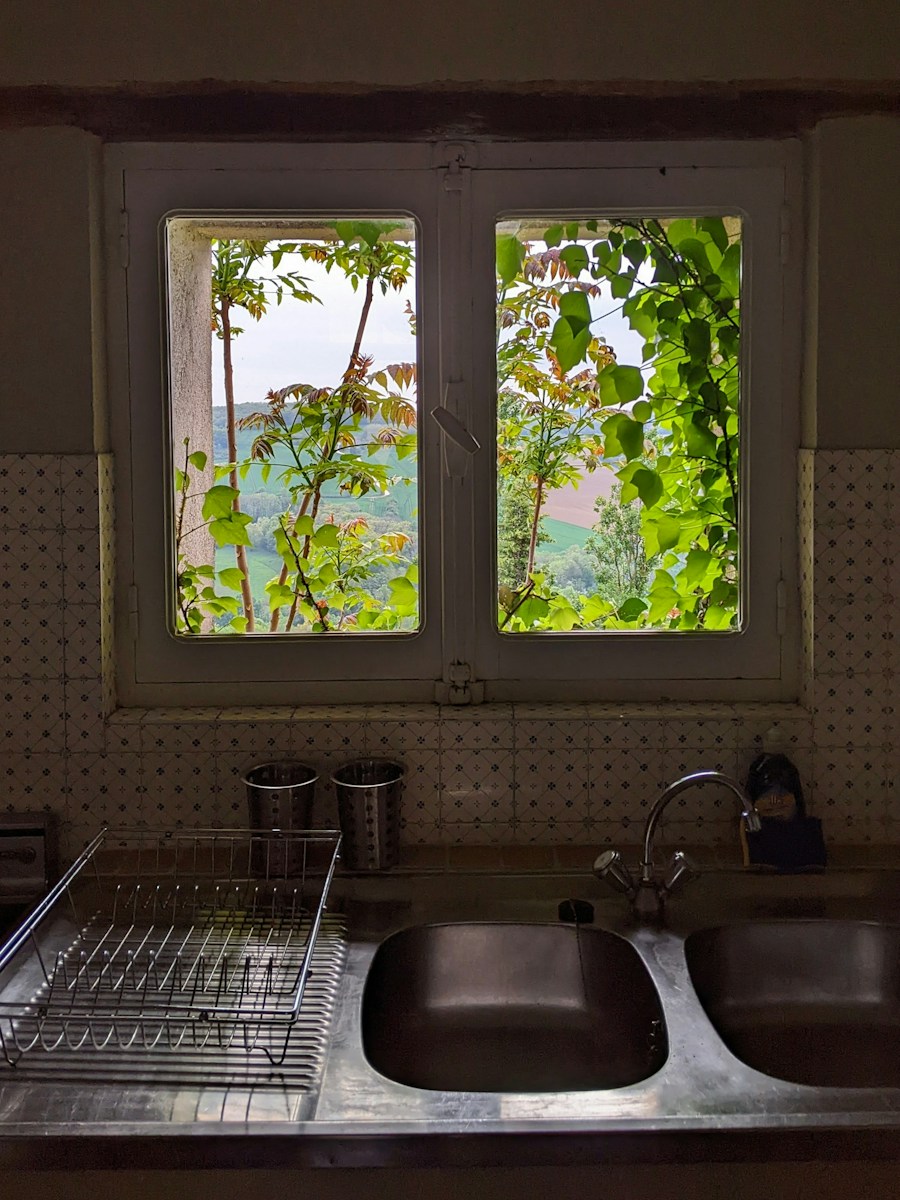
Splitting a sink into two roughly equal basins made sense when hand-washing dishes meant one side for washing and one for rinsing, a workflow Boomers built entire kitchen routines around. With dishwashers now standard in most homes, that division of labor mostly disappeared, and a single large basin gives more room to fit an oversized sheet pan or stockpot. Younger buyers renovating an older kitchen frequently list the double basin as one of their first planned changes, even when everything else about the sink still works fine.
6. A Coordinating Wallpaper Border Along the Ceiling Line
Fruit motifs, roosters, or ivy patterns running in a strip just below the ceiling were an extremely popular way to add color and personality to a kitchen without repainting cabinets or walls entirely. It was an efficient decorating move for a generation that valued a finished, coordinated look achieved without major expense. Younger buyers, who tend to prefer either bare walls or one larger statement element, often see the border as visually busy clutter that also happens to be a genuine pain to remove cleanly from drywall.
7. Brass Cabinet Pulls and Hinges
Small brass hardware details on every cabinet and drawer added a coordinated, finished touch that Boomers still consider a mark of quality craftsmanship. Brass as a material has actually returned to popularity, per HomeLight’s reporting on hardware trends, though usually in a warmer, less shiny finish than the polished brass common in older kitchens. Younger buyers tend to like the idea of brass generally but find the specific shiny, slightly yellow tone on every single pull in the room reads as dated rather than intentional.
8. A Dedicated Built-In Breakfast Nook
A built-in bench seat tucked into a corner, often upholstered in a coordinating print and paired with a fixed table, was a space-saving staple in many kitchens designed for a family that ate most meals at home together. Boomers tend to value the coziness and the sense of a defined eating space separate from meal prep. Younger buyers, who often prefer flexible seating they can rearrange or a kitchen island that doubles as a dining spot, sometimes find the fixed, immovable nature of a built-in nook more limiting than charming.
9. A Single Overhead Light With No Layering
Many older kitchens rely on just one ceiling fixture to light the entire room, a setup that was perfectly standard when kitchens were viewed primarily as workspaces rather than gathering spots. Boomers who’ve lived with this setup for decades often don’t notice it as a limitation. Younger buyers, influenced by design content that emphasizes layered lighting — under-cabinet strips, pendant lights over an island, dimmable recessed cans — tend to flag a single overhead fixture as one of the more expensive and involved upgrades a kitchen renovation will require.

Leave a Reply