

Plastic slipcovers are one of those decorating choices that seem almost mythical to anyone who did not grow up around them, and yet an entire generation remembers the exact sound of peeling their bare legs off a plastic-covered couch on a hot summer day.
As historians have documented, the practice was often tied to genuine financial caution, protecting a major investment that might have to last a lifetime. Gen Z, raised in an era that treats furniture as more disposable, still finds the whole approach baffling. Here are six things Boomers routinely wrapped in plastic.
The Living Room Sofa and Armchairs
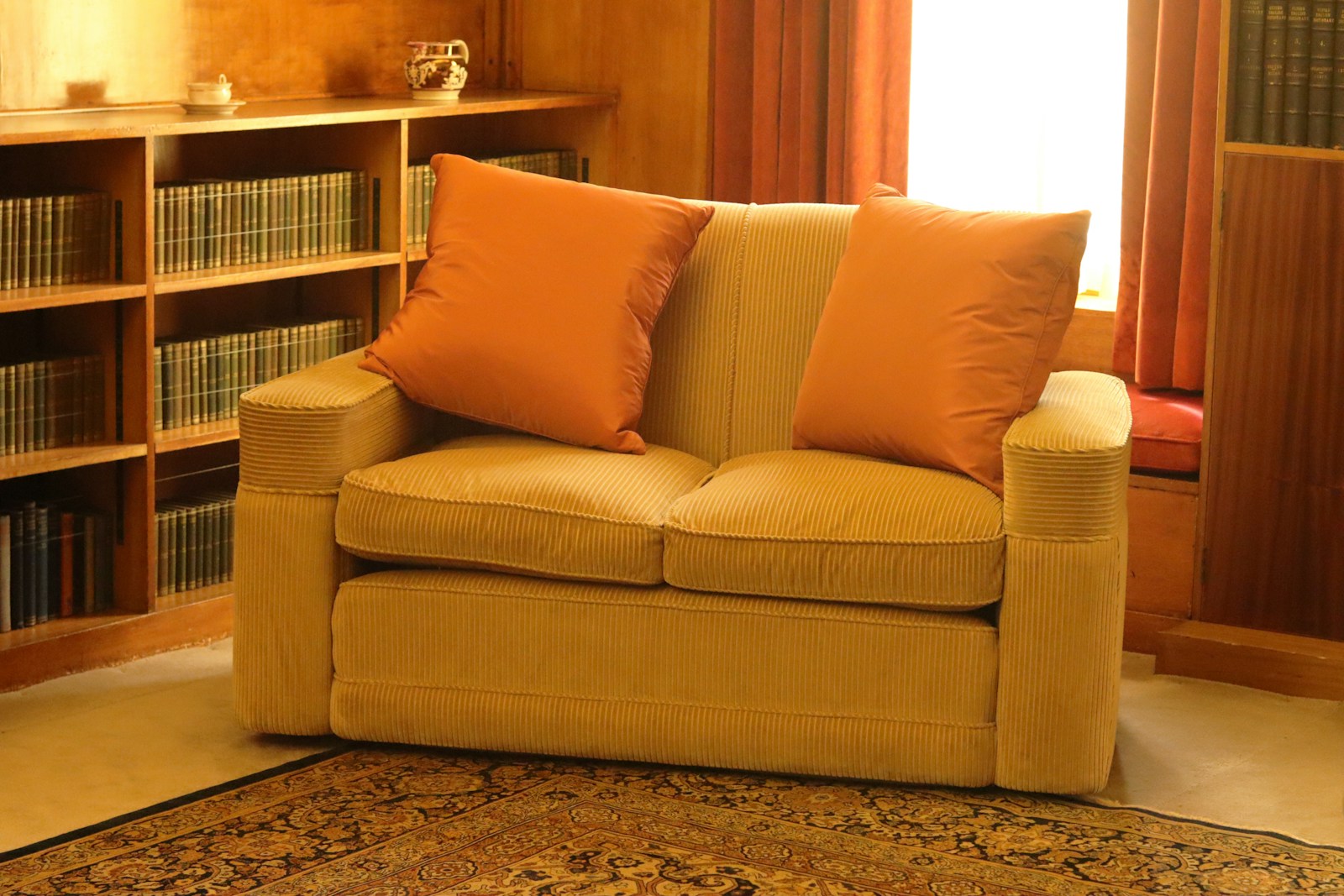
The classic plastic-covered couch is the most iconic example, an entire living room set sealed in clear vinyl to protect the fabric underneath from spills, pets, and general wear. As writers have explored, the habit carried real cultural weight for many families, representing pride in a hard-won purchase meant to be preserved rather than used up. Gen Z, who generally treats furniture as something to actually enjoy and eventually replace, finds the idea of sitting on crinkly, sweaty plastic for years genuinely hard to imagine, especially given how affordable and replaceable a lot of furniture has become by comparison.
Lampshades Left in Their Original Plastic Wrapping
A lampshade still wearing the thin plastic film it shipped with, sometimes for years after purchase, is a specific and instantly recognizable Boomer habit. The logic was that removing it risked the shade getting dusty or damaged, so the protective film simply became permanent. Gen Z tends to find this puzzling, since a shade covered in plastic actually diffuses and dims the light it is meant to provide, working against its own purpose. A quick search online reveals endless posts from younger people expressing genuine confusion the first time they encountered a lampshade still wrapped decades after purchase, often at a grandparent’s house.
Mattresses Kept in Their Plastic Delivery Wrap
Some Boomers kept a new mattress in its plastic delivery covering permanently rather than removing it for a fitted sheet, reasoning that the plastic would protect against spills, dust, and general wear over the mattress’s long lifespan. In practice, this often meant sleeping on a surface that trapped heat, made noise with every movement, and could not actually breathe the way mattress materials are designed to. Gen Z, generally more informed about sleep quality and materials through wellness-focused content, would almost never consider leaving a mattress in its shipping plastic, since comfort and proper airflow tend to outweigh the protective instinct by a wide margin.
Kitchen Chair Seats Wrapped for Protection
Vinyl or plastic seat covers stretched over kitchen chair cushions were common in a lot of Boomer households, protecting the fabric underneath from spills at a table used multiple times a day, every day. It was a genuinely practical solution for a high-traffic piece of furniture. Gen Z tends to prefer washable, durable fabric or simple wipeable materials built into the chair itself rather than an additional plastic layer, largely because better stain-resistant textiles have become widely available and affordable, making the extra protective step feel unnecessary compared to just choosing furniture that can handle daily use from the start.
Remote Controls Sealed in a Plastic Bag or Sleeve
Television remotes wrapped in a plastic bag or a custom-fitted plastic sleeve, both for grip and protection from spills and dust, was a small but memorable Boomer habit that shows up constantly in nostalgic online posts. It kept the buttons functional for years despite heavy daily use. Gen Z generally skips this step entirely, treating remotes, when they are even still needed given how many televisions now respond to voice commands or phone apps, as replaceable, low-cost items rather than something worth actively preserving with an extra protective layer that made every button press feel slightly muffled and strange.
Family Room Carpet Runners Over Good Carpet
Clear plastic carpet runners, laid down over high-traffic paths through the living room or hallway, protected good carpet from wear in exactly the areas people walked most often. They also made a distinctly crinkly sound underfoot that anyone who grew up with them can instantly recall. Gen Z, who is statistically less likely to have wall-to-wall carpet at all given a preference for hard flooring in many homes and rentals, rarely encounters the need for this kind of protective runner, and when carpet is present, tends to just accept normal wear rather than engineering an elaborate system to prevent it entirely.

Leave a Reply