

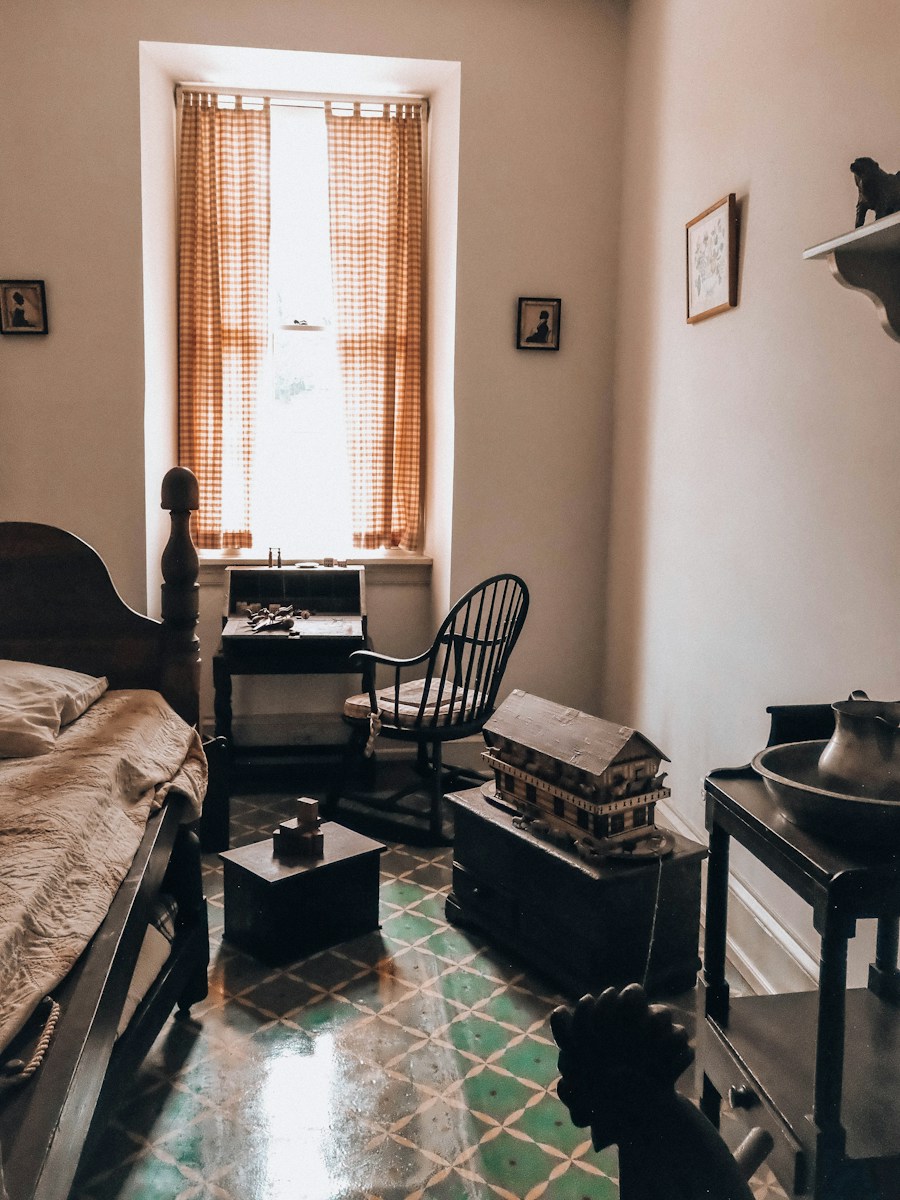
There is an assumption in a lot of families that furniture should be passed down like an heirloom, regardless of whether it actually fits the next generation’s home, taste, or lifestyle. A dresser survives three moves not because anyone loves it, but because nobody wants to be the one who finally lets it go.
Gen Z has been notably more willing to break that chain. Here are six honest reasons why hand-me-down furniture is getting a harder look before it earns a spot in a new home.
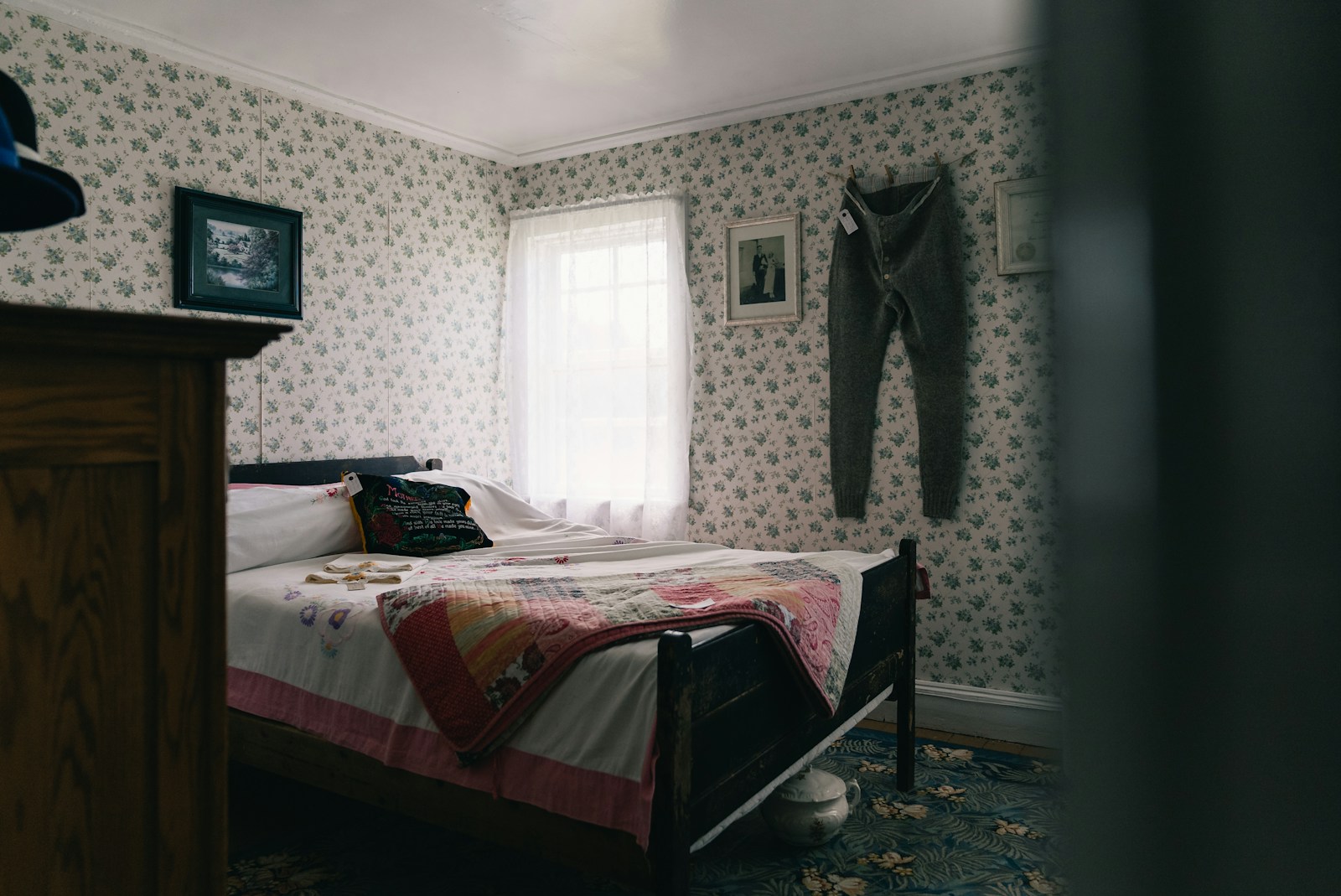
It Rarely Fits a Smaller Space
A lot of family furniture, especially pieces built decades ago, was designed for larger rooms and larger houses than what many Gen Z adults are moving into. A massive china cabinet or an oversized sectional that made sense in a suburban living room becomes overwhelming in a one-bedroom apartment, eating up space that is already limited. As affordability pressure has pushed younger buyers toward smaller homes and apartments, according to a 2025 NAHB survey on buyer preferences, furniture built for a different era’s square footage often simply does not work, no matter how sentimental the piece is or how well it has held up structurally over the years.
Moving It Costs More Than It Is Worth
Heavy solid-wood furniture from earlier decades is often genuinely well made, but that quality comes with real weight, and moving a massive dresser or armoire across state lines is expensive. Between moving costs, apartment stairs, and the increasing frequency with which younger adults relocate for jobs or cheaper rent, a lot of Gen Z renters do the math and decide a piece is not worth the hassle, even if it is technically free. It is a purely practical calculation rather than a rejection of the furniture’s quality, and it explains why so much inherited furniture ends up donated or sold rather than transported across the country during a move.
The Style Does Not Match Anything Else They Own
Family furniture often comes from a specific design era, heavy carved wood, ornate detailing, or a particular finish, that does not blend easily with the more minimal, mixed-secondhand aesthetic a lot of Gen Z homes lean toward. Rather than build a room around one inherited piece, many younger homeowners would rather choose furniture that fits a cohesive look they have built intentionally, even if that means turning down a genuinely nice item because it clashes. This is less about disrespecting the piece and more about prioritizing a home that feels like a coherent reflection of their own taste, especially since taste and interior trends tend to shift faster now than they used to.
It Often Needs Repair or Reupholstering
A lot of family furniture being offered to the next generation is decades old and has real wear: sagging cushions, wobbly joints, or fabric that has faded or worn through. Fixing it properly, especially reupholstering, is not cheap, and by the time repair costs are factored in, buying something new or secondhand in better condition often makes more financial sense. Gen Z, having grown up with easy access to marketplace listings and thrift options, is generally more willing to shop around for a piece already in good shape rather than invest in restoring an inherited item that needs substantial work before it is actually usable.
They Would Rather Choose Their Own Pieces
Interestingly, this reluctance is not about rejecting secondhand furniture altogether. Recent survey research has found roughly two in three people now thrift regularly, and Gen Z drives much of that trend when it comes to home goods. The distinction is about agency: choosing a vintage credenza from a thrift store feels different than inheriting one because it was simply available. Curating a home piece by piece, even from secondhand sources, feels more like self-expression than accepting whatever furniture happens to be handed down, which explains why the same generation embracing vintage style is often the one declining specific family pieces.
Sentimental Value Does Not Always Translate
A piece of furniture can carry enormous meaning for the person who owned it for thirty years and comparatively little for the person being asked to take it, especially if they never lived with it themselves. Gen Z tends to be more willing to say this out loud rather than accept furniture purely out of obligation, opting instead to keep a smaller sentimental object, like a photo or a single small item, rather than an entire piece of furniture that will take up permanent space. It is a recognition that honoring a memory and keeping a physical object are not always the same thing, and that a smaller keepsake can carry just as much meaning.

Leave a Reply