

The Boomer living room is a museum exhibit of decisions made decades ago and never revisited. Every object has a reason for existing, even if that reason stopped applying twenty years ago. To someone who grew up with a phone in their pocket and a Pinterest board for inspiration, the whole setup can feel like a time capsule.
None of this is a knock on taste, exactly. It’s more that priorities shifted, and nobody told the living room. Here are seven fixtures of a classic Boomer living room that leave younger visitors genuinely puzzled.
Plastic Slipcovers on the Good Furniture
Clear vinyl covers stretched over an upholstered sofa, crinkling every time someone sat down, were once a genuine status symbol meant to protect an expensive purchase for as long as possible. The practice traces back to a postwar mindset of preserving furniture as a long-term investment rather than treating it as something to be enjoyed and eventually replaced. Gen Z, raised in a culture of disposable IKEA furniture and constant redecorating, finds the idea of sitting on crinkly plastic for the sake of resale value almost unthinkable, and more than a little uncomfortable in the summer heat.
A TV Armoire Built for a TV That No Longer Exists
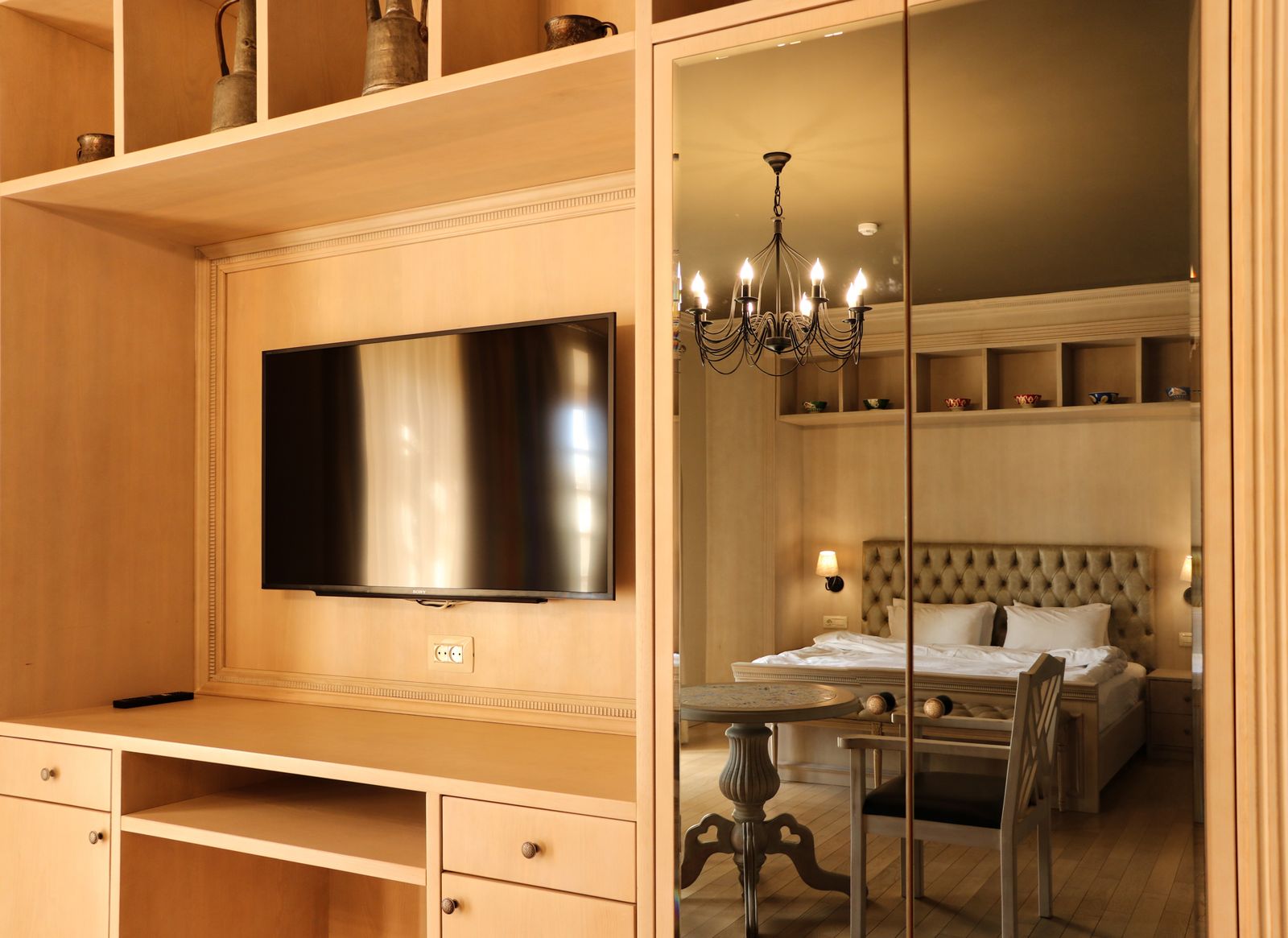
Massive wooden cabinets built to house a boxy tube television, complete with doors that closed to hide the screen when not in use, once anchored entire living rooms. Many of these cabinets are still standing proudly, now housing a flat screen a fraction of their original depth, leaving a cavernous, awkward gap behind it. Gen Z sees these as oversized furniture relics that eat up floor space for a technology problem that stopped existing when TVs got thin.
Doilies on Every Flat Surface
Crocheted or lace doilies under lamps, on armrests, and beneath candy dishes were a hallmark of a tidy, cared-for home for generations of homemakers. They protected furniture from scratches and added a delicate decorative touch. To Gen Z eyes, unfamiliar with the practical origin, they just read as fussy clutter that serves no obvious purpose and collects dust in intricate patterns that are a pain to clean.
The Landline Phone, Still Plugged In
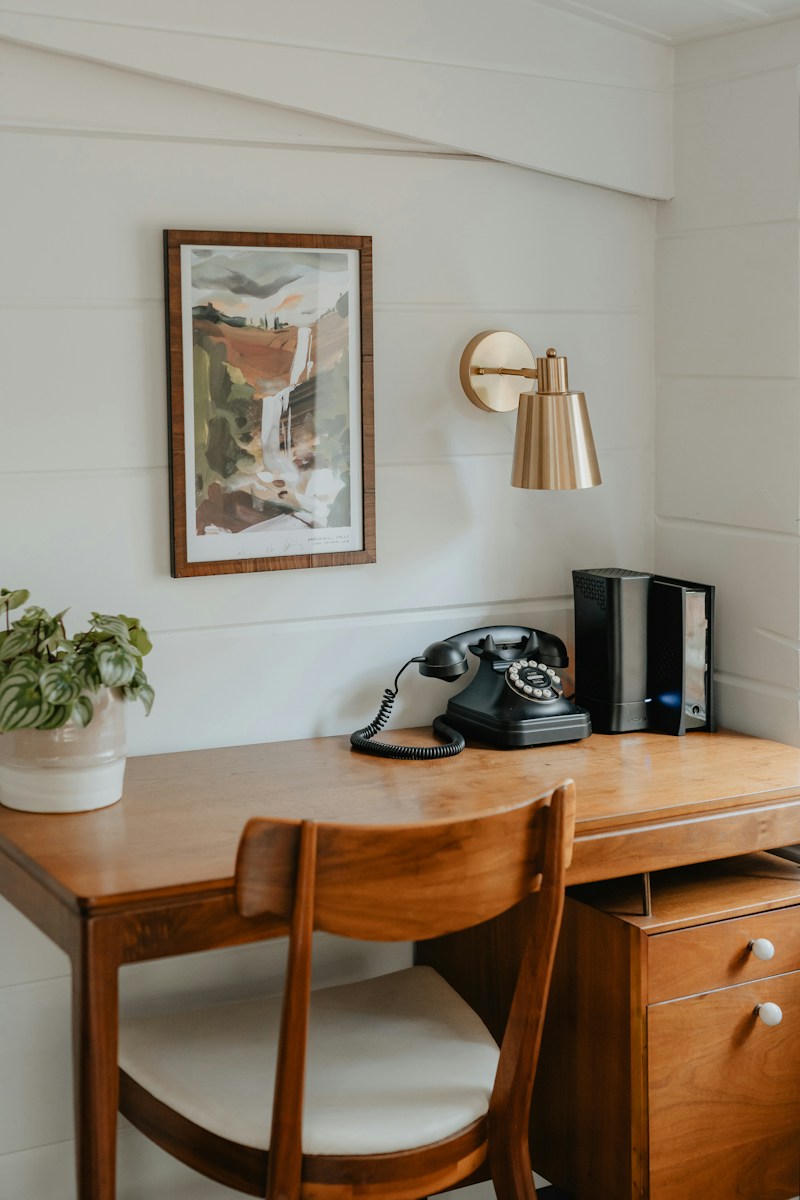
A corded or cordless landline phone, often mounted on the wall or sitting on a side table, remains a fixture in many Boomer living rooms even though almost nobody calls it. It’s kept for emergencies, for family who still use it, or simply out of habit. For a generation that has never really used a landline, its continued presence feels like keeping a fax machine plugged in just in case.
The Recliner as the Undisputed Throne
One specific recliner, positioned at the best angle to the TV, is understood by everyone in the family to belong to one person and one person only. It’s often the most worn piece of furniture in the room, precisely because it’s used the most. Gen Z doesn’t object to the recliner itself so much as the rigid, unspoken hierarchy around it, a piece of furniture with more assigned ownership than a parking spot.
Full Wood Paneling on the Walls
Dark wood paneling covering entire walls was an extremely common choice for finishing basements and living rooms, prized for hiding imperfections and adding a warm, cabin-like feel. It can still be found intact in plenty of homes that haven’t been renovated since it went up. Gen Z tends to find it visually heavy and dim, associating it with dated den aesthetics rather than the cozy warmth it was originally meant to evoke.
An Area Rug Layered Over Wall-to-Wall Carpet
Placing a patterned area rug directly on top of existing wall-to-wall carpet, rather than choosing one or the other, was a common way to define a seating area or protect high-traffic paths. The result is a noticeably raised, double-cushioned floor that can feel oddly spongy underfoot. Gen Z, generally working with hard flooring and a single rug for contrast, finds the layered-carpet approach one of the harder Boomer habits to explain.

Leave a Reply