

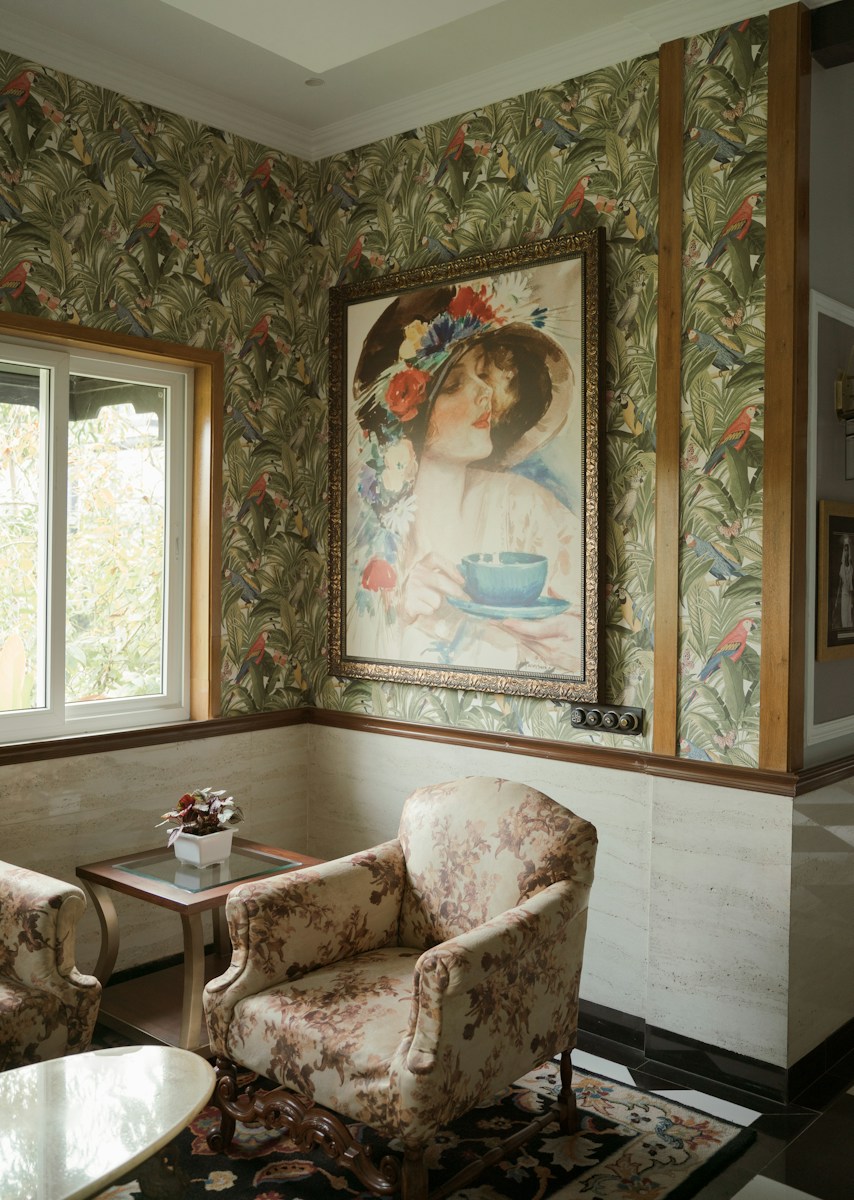
Walk into a lot of Boomer-owned homes and you’ll find a decorating philosophy that hasn’t budged much since the Reagan administration: if it worked in 1985, why change it? There’s a comfort in that consistency, and honestly, some of it holds up. But plenty of it doesn’t, at least not to the generation that grew up on minimalist mood boards and rental-friendly design hacks.
Gen Z isn’t trying to be rude about it. They just see these choices as relics of a different era, ones that made sense for a different set of priorities. Here are eight decor staples Boomers still swear by that their grandkids would gladly toss in a dumpster.
Wall-to-Wall Carpeting in Every Room
For decades, wall-to-wall carpet was the default flooring choice in American homes, prized for feeling soft underfoot and muffling noise between floors. Boomers often kept the same carpet for twenty-plus years, patching worn spots rather than replacing the whole thing. Gen Z, by contrast, has grown up favoring hard surfaces almost everywhere. Hardwood consistently ranks as the most wanted flooring material among home buyers, prized for being easier to clean, more allergy-friendly, and simply more adaptable to changing style trends. Carpet isn’t gone entirely in newer homes, but it’s shrunk down to bedrooms and the occasional cozy rug rather than covering an entire house wall to wall.
The Untouchable Formal Living Room
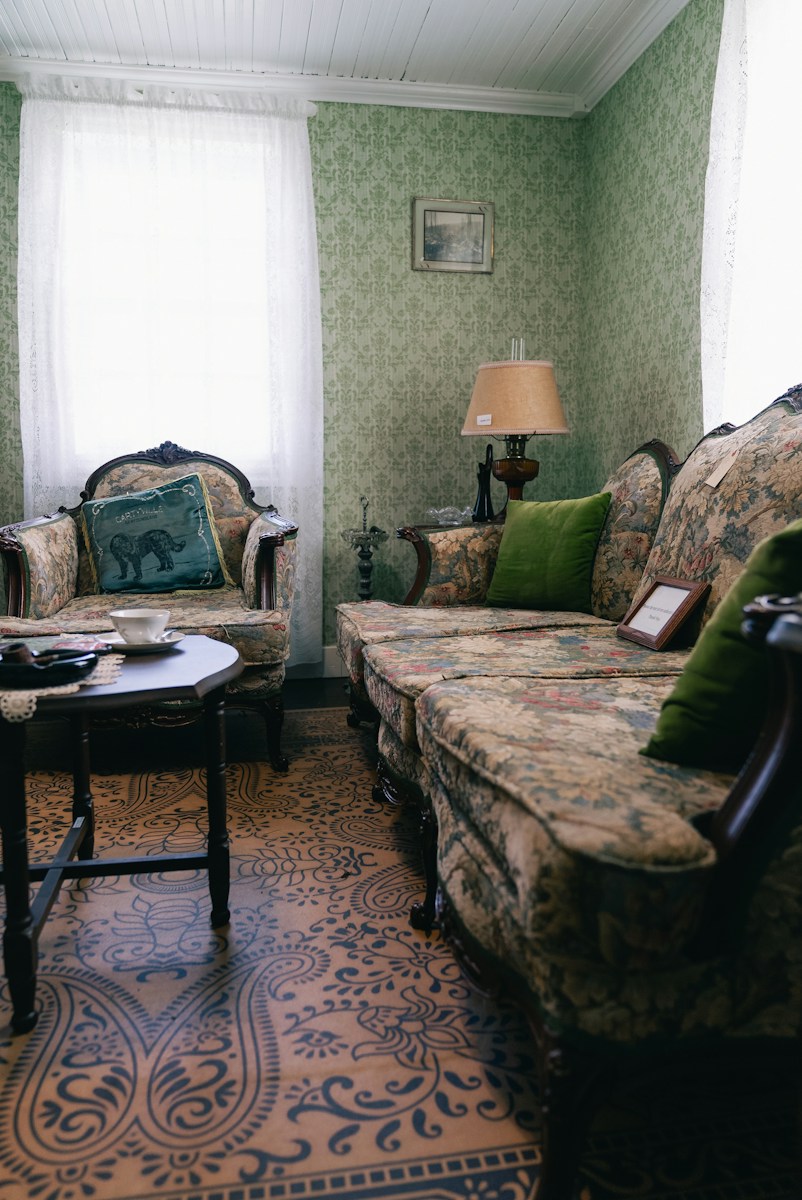
Every Boomer home seems to have one: a pristine living room with stiff furniture, positioned near the front door, that nobody is allowed to actually sit in except when company visits. It was a status symbol, a room kept spotless to impress guests who rarely came. Gen Z finds the whole concept baffling. Why dedicate hundreds of square feet to a room that sits empty 360 days a year? Interior designers have increasingly pushed back on rigid, single-purpose room layouts in favor of flexible spaces that flex with how people actually live day to day. For a generation obsessed with maximizing small square footage, an off-limits showroom feels like wasted real estate.
Textured Popcorn Ceilings
That bumpy, spray-on ceiling texture was everywhere in mid-century and post-war homes, partly because it was cheap and fast to apply, and partly because it hid imperfections in the drywall below. The texture became a residential mainstay through the 1950s to the 1980s before falling out of favor as tastes shifted toward smooth, modern finishes. Many Boomers never got around to removing theirs, either out of nostalgia or because scraping it off is genuinely messy work. Gen Z sees it purely as dated texture that traps dust and makes a room feel instantly older than it is.
Heavy, Layered Window Treatments
Sheer curtains, then a decorative valance, then a full drape, sometimes topped with a cornice board. Boomers layered window treatments like they were dressing for winter, often in busy floral or damask patterns that matched the wallpaper. The effect was cozy in its time but reads as fussy and light-blocking today. Gen Z tends to prefer simple linen panels or, increasingly, no window coverings at all beyond blinds, prioritizing natural light and a cleaner sightline over layered fabric that collects dust and shrinks a room visually.
Brass Everything, Done the Old Way
Brass door handles, brass light fixtures, brass cabinet pulls, all in the same shiny yellow-gold finish, installed decades ago and never updated. It was the metal of choice in the 80s and 90s, applied liberally and without much variation. Gen Z isn’t necessarily anti-brass; unlacquered and brushed brass has actually found new fans in recent design circles. What they object to is the specific shiny, uniform brass finish frozen in time since 1988, paired with beige everything else, rather than brass used as a deliberate accent.
Busy Floral Wallpaper Borders
A strip of floral or fruit-patterned wallpaper border running along the top of the wall, often in a kitchen or bathroom, was a defining choice of a certain decorating era. It added a pop of pattern without committing to wallpapering an entire room. Gen Z generally finds the look cluttered and dated, associating it instantly with a specific decade rather than timeless charm. Peel-and-stick wallpaper has made a comeback among younger renters, but it’s typically used as a full statement wall rather than a decorative trim running around the room’s perimeter.
The Curio Cabinet Full of Figurines
A glass-front cabinet displaying collectible figurines, commemorative plates, or a set of Hummel statues was a point of pride in many Boomer households. It represented years of collecting and careful arranging. Gen Z, raised on decluttering culture and smaller living spaces, tends to see the whole cabinet as a dust magnet holding items with little resale value. That said, curio-style display has found a quieter second life; some designers point to a maximalist ‘cluttercore’ trend embracing curated personal collections, just usually vintage finds rather than inherited porcelain figures.
Matching Furniture Suites
Buy the whole bedroom set, the whole living room set, the whole dining set, all from one manufacturer, all in the same wood tone and upholstery. That was the Boomer approach to furnishing a home, and it made shopping simple even if the result looked a bit like a showroom floor. Gen Z tends to mix and match pieces from different sources, favoring an eclectic, collected-over-time look. A perfectly matched set now reads as impersonal rather than put-together, more hotel room than home.

Leave a Reply