

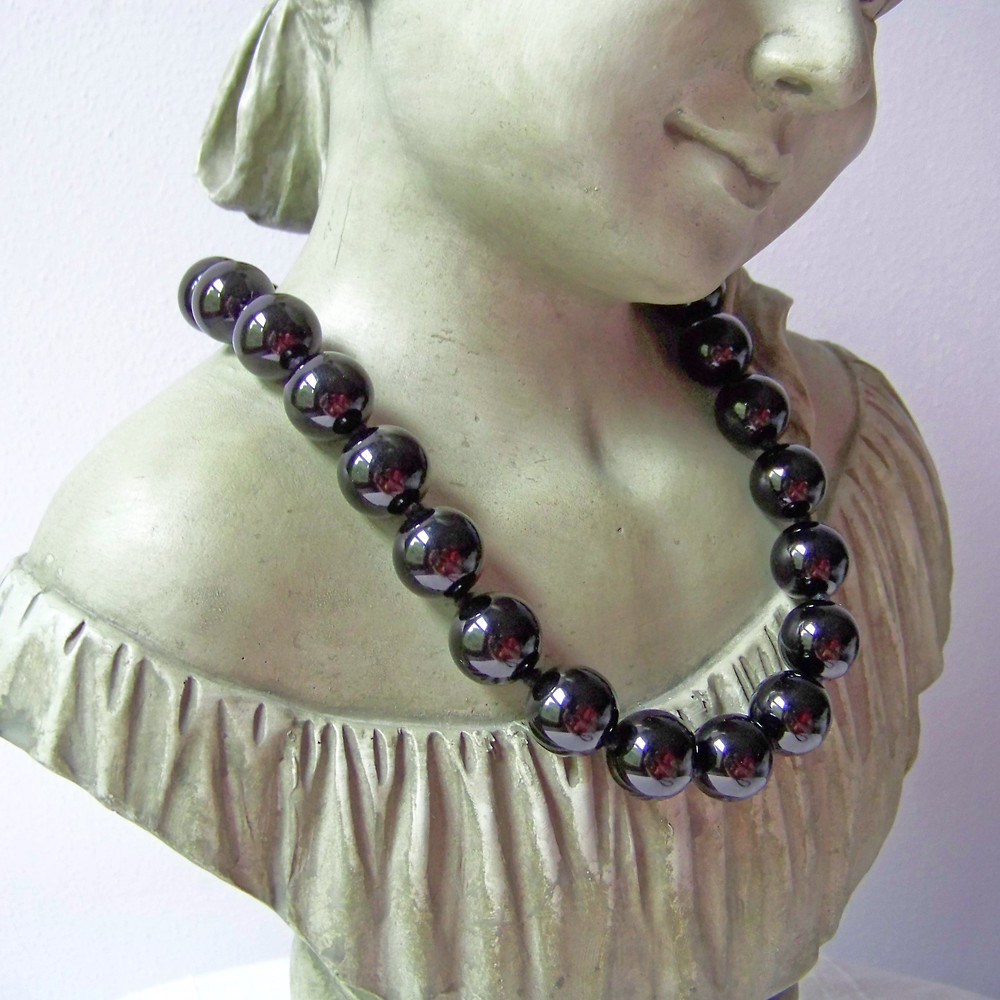
The 1980s got a rough reputation almost immediately after it ended. The neon, the shoulder pads, the aggressively bold design choices all became instant shorthand for excess, and for a solid couple of decades, admitting you liked anything from that era was basically a joke waiting to happen. Most of it got purged from closets and living rooms the moment the ’90s minimalism wave rolled in.
Enough distance has passed now that a lot of that maximalist ’80s energy reads as bold and confident rather than embarrassing. What once seemed like a decade-long fashion emergency has quietly become a genuine style reference point again. These six things have made that turnaround most convincingly.
Boomboxes
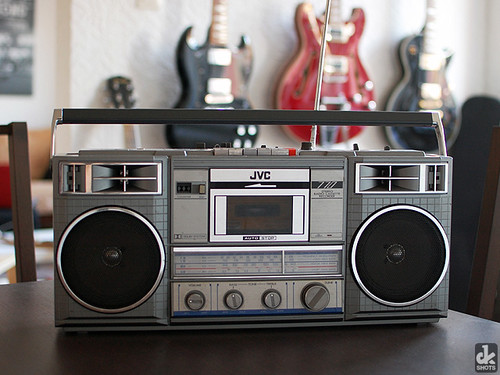
Big, chunky, and loud, boomboxes were as much a fashion statement as a piece of audio equipment, carried on shoulders and blasted at full volume in parks and street corners everywhere. Once portable CD players and eventually digital music took over, boomboxes went from essential to obsolete almost overnight, and most got discarded as soon as the tape decks wore out. Their bold, oversized design and genuine mechanical charm have made them a favorite among retro tech collectors and anyone decorating with an unapologetically maximalist eye. A working vintage boombox is now valued as much for its look as for the sound it actually produces.
Members Only Jackets
These lightweight zip-up jackets with the distinctive epaulets became an instant symbol of the decade’s fashion, worn by seemingly everyone regardless of age. Once the decade ended, the style became an easy punchline, and most people got rid of theirs as fast as they’d bought them. Vintage clothing collectors and anyone chasing an authentic retro look have brought genuine renewed appreciation to the silhouette, prizing the specific cut and branding that defined the original. A jacket that once seemed like a fashion mistake now reads as an intentional, well-chosen vintage piece.
Neon Windbreakers and Track Suits
Bright, color-blocked windbreakers and matching track suits defined casual fashion throughout the decade, worn far beyond athletic contexts as everyday streetwear. As fashion trends moved toward muted, minimalist palettes, neon athletic wear became an obvious relic of a specific, over-the-top era, and most pieces got donated or discarded entirely. The current appetite for bold color and unapologetic maximalism has brought genuine renewed interest to these pieces, both as vintage fashion finds and as inspiration for new designs. A well-preserved neon windbreaker is now a genuine style statement rather than an embarrassing throwback.
Memphis-Design Decor Pieces
Bold geometric shapes, clashing colors, and playful asymmetry defined this distinctive design movement, showing up in furniture, lighting, and small decor objects throughout the decade. As design tastes shifted toward simpler, more restrained aesthetics, Memphis-style pieces started to feel chaotic and dated, and a lot of them got sold off or donated during a decorating overhaul. The design world has circled back with genuine appreciation for the movement’s boldness and originality, and original pieces are now sought after by collectors and design enthusiasts alike. A piece that once seemed impossible to place in a modern home is now a genuine conversation-starting centerpiece.
Cassette Walkmans
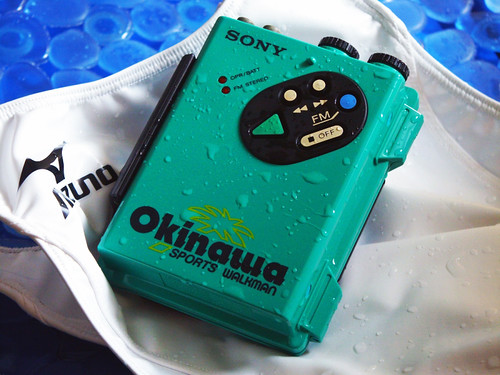
Portable cassette players changed how an entire generation listened to music, letting people carry their favorite tapes with them for the first time. As CD players and then digital music devices took over, Walkmans became obsolete almost overnight, and most ended up in drawers or donation piles once the batteries died for good. The tactile, analog experience of loading a cassette and pressing physical buttons has developed genuine nostalgic appeal among people who remember using them and younger collectors discovering them for the first time. A working Walkman with its original headphones is a small, functional piece of everyday technology history.
Chunky Plastic Jewelry
Oversized plastic earrings, bangles, and necklaces in bold colors and geometric shapes were a defining accessory of the decade, worn to make a statement rather than blend in. Once minimalist, delicate jewelry became the standard, chunky plastic pieces started to feel cheap and dated, and most of it got tossed out or given away without a second thought. Maximalist accessory trends have brought genuine renewed appreciation for bold, statement-making jewelry, with original vintage pieces sought after for their specific colors and shapes. A drawer of old plastic jewelry once destined for the trash is now a genuine style resource.

Leave a Reply