

The 1980s had a particular confidence about it — big hair, bigger shoulder pads, and a genuinely relaxed attitude toward risk that shaped everything from how kids played outside to what nurseries looked like. Parents weren’t negligent by the standards of the time; they were simply operating with less safety research, fewer regulations, and a cultural expectation that kids should be tough enough to handle a scraped knee or two without much fuss.
From today’s vantage point, plenty of completely unremarkable ’80s childhood moments look genuinely startling. Here are eleven things that barely registered as noteworthy at the time and would cause real alarm if they happened exactly the same way now.
Riding Bikes With Absolutely No Helmet
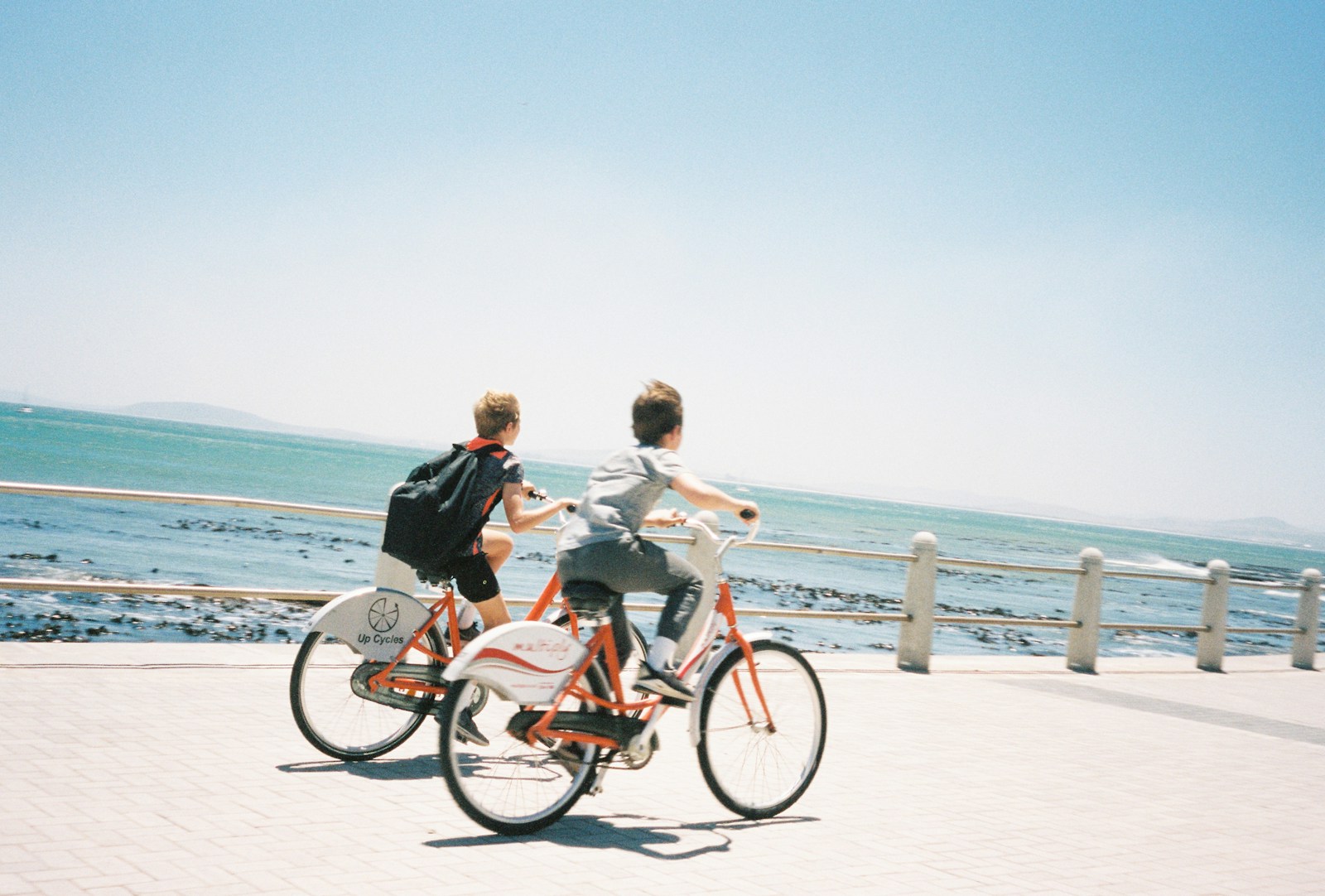
Kids in the ’80s rode bikes everywhere — down steep hills, through busy intersections, off homemade ramps built from spare plywood — with nothing on their heads besides maybe a bandana. Bike helmets existed but were far from standard equipment, seen by many kids as an uncool accessory rather than a genuine safety necessity. Falling and hitting your head was treated as an unfortunate but expected part of childhood, not something requiring a change in behavior. Parents rarely enforced helmet use even when a helmet was available in the house. It would take mounting safety research and years of advocacy before dedicated children’s helmet laws began appearing in individual states and counties, something that simply wasn’t part of the picture during most of the decade.
Being a Latchkey Kid With Zero Check-Ins
With two working parents increasingly common, it was completely normal for elementary and middle school kids to let themselves into an empty house after school, sometimes for two or three hours before an adult got home. Kids carried their own house key, often on a string around their neck, and were expected to manage homework, snacks, and basic safety entirely on their own. There was no cell phone to check in with a parent, just a landline and a strict rule about which calls to answer. Neighbors occasionally kept a loose eye on things, but formal supervision was minimal to nonexistent. The idea of a modern eight-year-old spending hours completely alone and unsupervised after school would raise immediate concern in most communities today.
Riding in the Open Bed of a Pickup Truck
Piling several kids into the open bed of a pickup truck for a short drive, or even a longer highway trip, was a genuinely common sight throughout the decade, with nothing restraining anyone beyond the truck’s metal sides. Kids treated it as a fun, breezy alternative to sitting in the cab, often standing up to feel the wind or lying flat to watch the sky go by. Drivers rarely considered it a serious risk, since it was simply how plenty of families and farm communities transported extra passengers. Highway speeds made the practice significantly more dangerous than most people acknowledged at the time. Today, the sight of unrestrained kids riding in an open truck bed on a public road would draw immediate concern from nearly anyone who noticed.
Drop-Side Cribs as the Standard Nursery Choice
Nearly every nursery in the ’80s featured a crib with a drop-side rail that could be lowered for easier access to a sleeping baby, a design considered completely standard and unremarkable at the time. It would take decades before enough injury and entrapment reports accumulated for the U.S. Consumer Product Safety Commission to approve new federal crib safety standards in 2011 that effectively banned the manufacture and sale of drop-side cribs. Parents in the ’80s had no reason to question the design, since it was simply how virtually every crib on the market was built. Hardware on these cribs could loosen or fail over years of repeated use, creating gaps where an infant could become trapped. What was once an unquestioned nursery staple is now recognized as a genuine safety hazard no longer legally sold.
Metal Playground Equipment Over Bare Asphalt
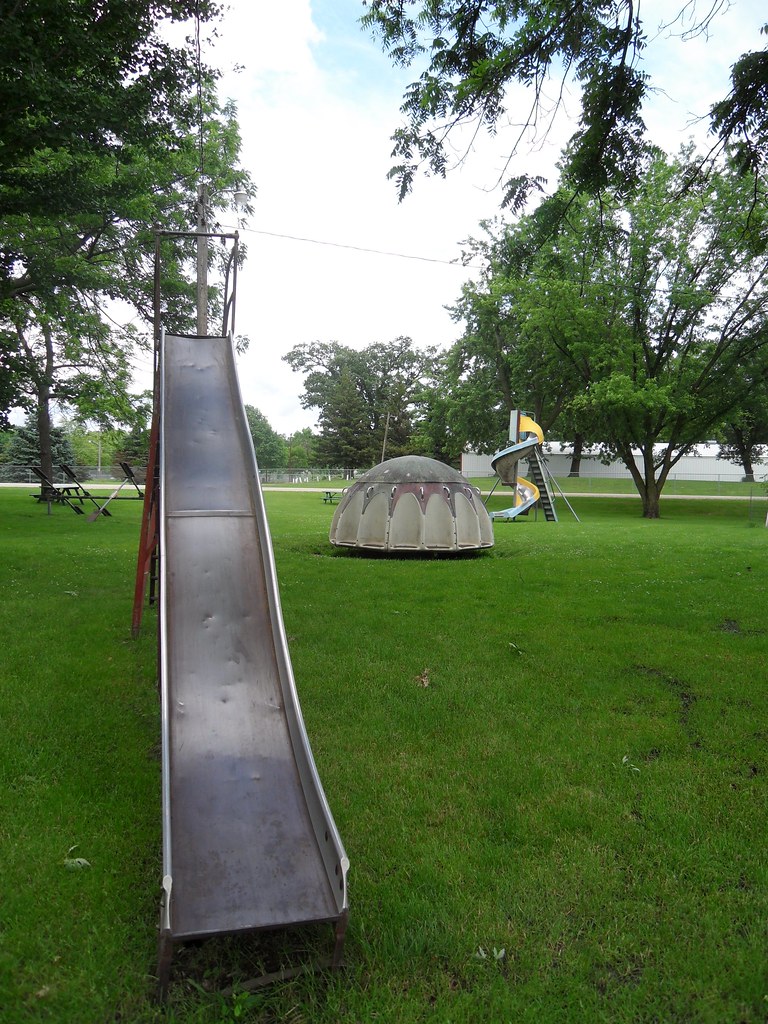
Public playgrounds throughout the ’80s commonly featured metal slides, monkey bars, and merry-go-rounds installed directly over asphalt or hard-packed dirt, with no rubberized surfacing or wood chips cushioning a fall. Metal slides left sitting in direct summer sun could become genuinely hot enough to burn bare skin on contact. Kids fell from significant heights onto entirely unforgiving surfaces on a regular basis, with broken bones and head injuries treated as an ordinary, if unfortunate, part of childhood. Playground design and safety standards simply hadn’t caught up yet to the injury data being generated by these setups. Today’s playgrounds, built with impact-absorbing surfaces and shorter equipment heights, look almost unrecognizable compared to the hazard-filled versions from just a few decades earlier.
Smoking Sections in Restaurants Right Next to Families
Restaurants throughout the decade typically offered a smoking section separated from the non-smoking section by little more than a sign or a slightly wider aisle, meaning families with young kids often sat within a few feet of someone lighting up between courses. Smoke drifted freely across the shared dining room air regardless of which side you were seated on. Servers carried ashtrays to smoking tables as a matter of routine, alongside the usual water refills. Complaining about the smoke was seen as somewhat unreasonable, since it was simply an accepted part of dining out. The idea of eating dinner with your kids a few feet from someone actively smoking would strike most people today as a genuinely strange restaurant policy.
Roaming the Mall or Neighborhood for Hours, Unsupervised
Dropping a group of preteens off at the mall for an entire afternoon, with a plan to pick them up hours later and no way to check in between, was a completely normal weekend activity throughout the ’80s. Kids wandered between stores, the arcade, and the food court with total independence and no adult supervision anywhere in sight. Parents trusted the mall itself as a reasonably safe, self-contained environment, an assumption rarely questioned at the time. There was no cell phone to coordinate a pickup time change or handle an unexpected problem. Today’s parents dropping off a group of unsupervised twelve-year-olds for several hours with zero contact would be a far less common, and far more scrutinized, decision.
Teachers Paddling Students as Official Discipline
Corporal punishment remained a legally sanctioned disciplinary tool in many public schools throughout the ’80s, with a principal or teacher administering a paddle strike for offenses ranging from serious misbehavior to relatively minor classroom disruptions. Parents were often informed after the fact rather than asked for permission beforehand. Many schools kept a designated paddle displayed openly as both punishment tool and visible deterrent. Few students or parents seriously challenged the practice, since it was simply understood as normal, accepted school policy in much of the country. Today, the idea of a school employee physically striking a student as official disciplinary procedure would trigger swift legal and community backlash almost everywhere.
Kids Drinking Straight From the Garden Hose
On a hot day, kids playing outside simply walked over to the garden hose, turned it on, and drank straight from the nozzle, with no thought given to what might be growing inside the rubber tubing after sitting in the sun all summer. It was treated as a completely normal, refreshing alternative to walking inside for a glass of water. Parents rarely gave it a second thought, since bottled water wasn’t yet a common household staple and hose water was simply considered clean enough. The hose itself often sat coiled in direct sunlight for hours before anyone used it. Today’s parents, more aware of chemical leaching from hose materials and basic contamination risks, are far more likely to reach for a proper water bottle instead.
VHS Rental Late Fees Ruling Your Household Budget
Renting a movie for the weekend came with a strict, non-negotiable return deadline, and missing it by even a single day triggered a genuine late fee that could add up fast if a tape sat forgotten on top of the TV for a week. Families sometimes accumulated real, noticeable late fee debt at the local video store, occasionally enough to affect which store they were willing to rent from again. Rewinding the tape before returning it was practically a moral obligation, enforced by store policy and social pressure alike. Losing or damaging a rented tape could mean paying its full replacement cost. The entire concept of owing a physical store real money for returning a movie a day late feels almost absurd to anyone who has only ever used streaming.
No Bike Helmet Laws Anywhere in the Country
For most of the decade, there was no legal requirement anywhere in the United States for children to wear a bicycle helmet, and the earliest mandatory children’s helmet laws in the country didn’t begin appearing until the very end of the 1980s and into the 1990s. Bike shops sold helmets mostly as an optional accessory rather than a required piece of safety equipment. Public health messaging around head injuries and cycling was still in its early stages, without the widespread awareness campaigns that came later. Parents who did buy a helmet for their child often faced real resistance, since almost none of the child’s friends wore one either. The gap between how normal helmetless biking felt then and how unusual it looks now reflects just how much safety expectations have shifted in a relatively short period.

Leave a Reply