

Every generation of homes has its own set of defining features, the objects and fixtures that felt so standard at the time that nobody thought to question whether they’d still be around decades later. Looking back at homes from even thirty or forty years ago, though, it’s remarkable how many once-universal features have quietly disappeared entirely, replaced by newer technology or simply phased out as habits and priorities shifted.
These seven items were once so common that a home without them would have felt incomplete. Now they’ve become genuinely rare sights in most American households. Here’s what’s almost entirely vanished from the modern home.
Landline Telephones
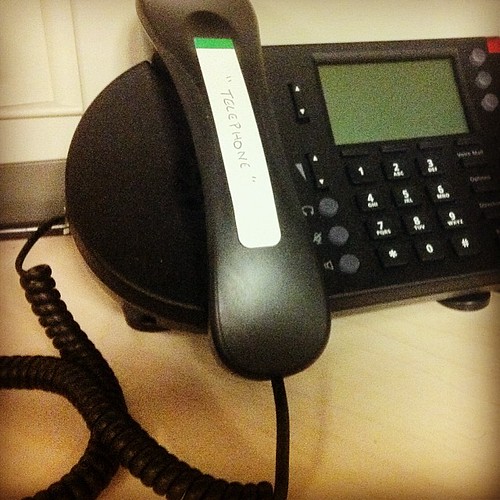
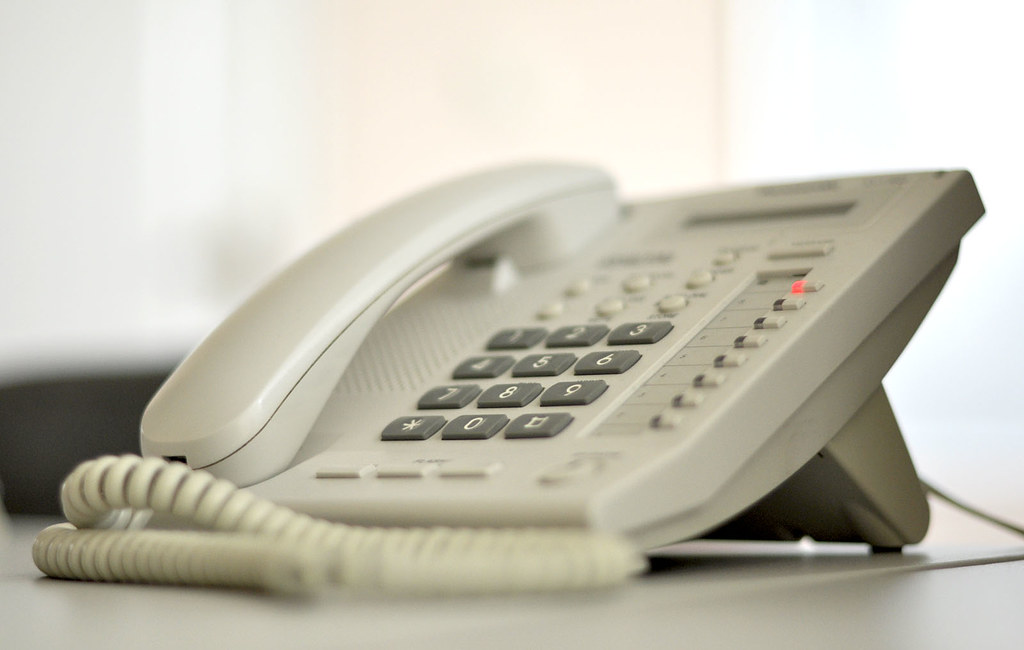
A dedicated home phone line, once considered an absolute household necessity, has become something of a rarity as mobile phones have taken over nearly every function a landline used to serve. Households that still maintain one often do so mainly as a backup for emergencies or because it’s bundled with internet service, rather than as a primary means of communication. The specific ritual of a shared family phone, with its long cord and a single number everyone called to reach the whole household, has largely disappeared along with the landline itself.
Full Sets of Encyclopedias
A matching set of encyclopedia volumes, often purchased through a door-to-door salesperson or a school fundraiser program, used to occupy a prominent shelf in a huge number of homes as the primary research tool for homework and general curiosity. Online search and digital reference tools have made a physical encyclopedia set almost entirely unnecessary for everyday research, and most surviving sets now sit unused or have been passed along to secondhand shops, making the once-common built-in bookshelf gap for a full encyclopedia set a distinctly dated home feature.
Rooftop and Rabbit-Ear TV Antennas
Physical television antennas, whether mounted on the roof or perched directly on top of the set, used to be a near-universal fixture in homes before cable and satellite service became standard. Getting a clear picture sometimes required careful positioning and occasional adjustment, a shared household task that an entire generation remembers vividly. Streaming and modern broadcast technology have made these physical antennas largely unnecessary, and they’ve become a genuinely uncommon sight on residential rooftops today.
VCRs and VHS Tape Collections
A VCR connected to the television, along with a shelf or cabinet full of VHS tapes recorded from broadcast television or purchased from a video store, was standard home entertainment equipment for decades. Streaming services and digital downloads have made physical tape media almost entirely obsolete, and the specific ritual of rewinding a tape before returning it, or recording a favorite show to watch later, has disappeared along with the format itself, surviving mainly as a nostalgic memory rather than an active technology.
Fax Machines
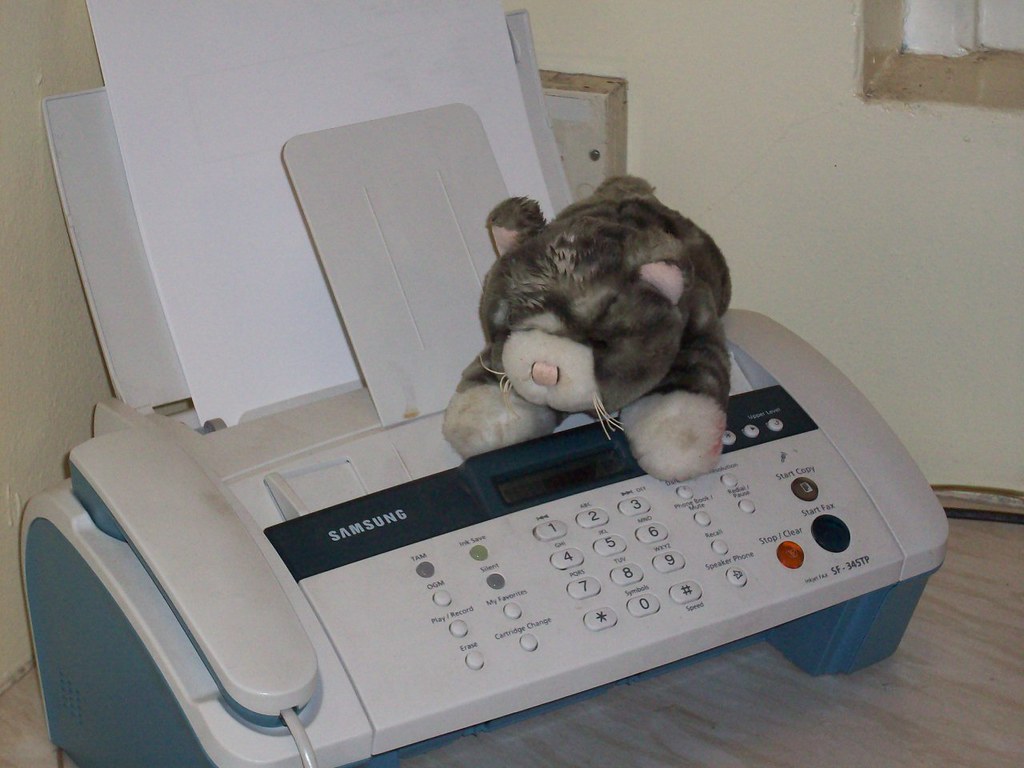
A dedicated fax machine, once considered essential equipment for both home offices and general household use, has become a rare sight as email and digital document sharing have taken over nearly every function it used to serve. The specific sound of a fax machine dialing and connecting, along with the slow scroll of a printed page emerging from the machine, is a distinctly recognizable memory for anyone who used one regularly, even though the technology itself has almost entirely disappeared from everyday home life.
Formal China Cabinets with a Full Set of China
A dedicated cabinet displaying a full set of formal china, reserved specifically for holidays and special occasions, used to be a standard feature in dining rooms across a huge number of households. As formal dining occasions have become less frequent and everyday tableware has become more versatile, many households have moved away from maintaining a separate, rarely used set of china altogether, and the specific dining room china cabinet has become a much less common feature in newer homes.
Physical Phone Books and Address Books
A thick phone book, delivered annually to the front porch, along with a personal address book filled with handwritten contact information, used to be essential household reference tools for reaching anyone outside the immediate family. Digital contact storage and online directories have made both of these physical reference tools almost entirely unnecessary, and the specific task of looking up a number in tiny print or flipping through a personal address book to find a relative’s information has become a distinctly old-fashioned memory rather than a routine household task.

Leave a Reply