


The 1970s had a texture all its own — shag carpet underfoot, static-y CB radio chatter crackling in the car, appliances in colors nobody would dream of choosing today. It was a decade of genuine design confidence, where households leaned fully into whatever the trend of the moment happened to be, without much concern for how it would age. A lot of it felt perfectly ordinary at the time, simply how a modern, up-to-date home was supposed to look and function.
Viewed from today, though, plenty of these completely normal ’70s habits and household features look almost like props from a period film. Here are eight everyday things from the decade that would leave most people today genuinely confused.
CB Radios Chattering in Every Car
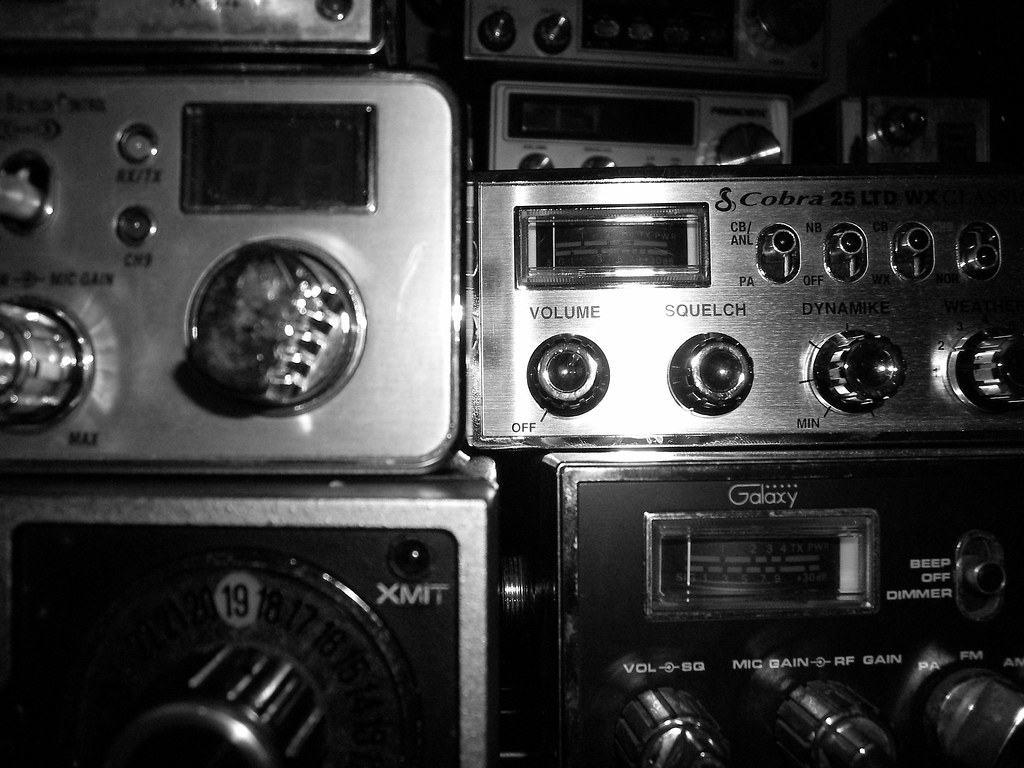
Citizens Band radios became a genuine cultural phenomenon in the ’70s, with truckers and everyday drivers alike installing them in their cars specifically to chat with other drivers, warn each other about speed traps, and pass the time on long stretches of highway. An entire slang vocabulary developed around it, with terms like “breaker breaker” and “10-4” becoming common enough to show up in movies and pop songs. Families sometimes had a base station radio at home just to talk with a trucker relative out on the road. The idea of an anonymous, unregulated open channel where any stranger could jump in and start talking to you while driving would strike most people today as a strange novelty rather than a normal feature of car ownership.
Eight-Track Tapes as the Height of Car Audio
Before cassette decks took over, eight-track tape players were the standard for listening to music in the car, playing continuous loops of tape that clicked audibly between programs, sometimes mid-song, whether you liked it or not. Albums had to be specifically remastered and resequenced to fit the format’s four-track structure, occasionally splitting a song awkwardly across the click point. The tapes themselves were bulky, prone to jamming, and required firm insertion into a chunky player mounted under the dashboard. Car audio enthusiasts today, accustomed to seamless digital playback and instant song selection, would find the entire mechanical process of an eight-track baffling and needlessly complicated for something as simple as playing an album straight through.
Shag Carpet in Every Room, Including the Bathroom
Thick, deep-pile shag carpet wasn’t just a living room feature — it regularly covered entire houses, including bathrooms, where it sat directly around toilets and bathtub edges, soaking up moisture in ways that would horrify anyone thinking about hygiene today. Vacuuming it required a special rake-like attachment just to fluff the fibers back into shape after walking across it. Bold colors like burnt orange, avocado green, and harvest gold were considered stylish choices rather than dated punchlines. Homeowners took real pride in choosing exactly the right shag texture and color to match their furniture. The idea of carpet in a bathroom, soaking up splashes and humidity for years at a time, is something most people today would find genuinely hard to believe was ever standard practice.
Avocado Green and Harvest Gold Kitchen Appliances
A full matching kitchen suite in avocado green or harvest gold — refrigerator, stove, dishwasher, sometimes even the sink — was considered the height of modern kitchen style throughout much of the decade. These colors were marketed aggressively by major appliance manufacturers as fresh, contemporary alternatives to the plain white kitchens of earlier decades. Homeowners coordinated everything from countertops to wallpaper around these specific shades to achieve a cohesive, fashionable look. What was once a deliberate, on-trend design choice now reads as an unmistakable, almost comedic time-stamp the moment anyone sees one of these appliances still sitting in an unrenovated kitchen. Finding a full matching set still intact today is treated as a genuine retro discovery rather than an everyday kitchen.
Smoking Sections on Airplanes, Right Next to Everyone Else
Airlines throughout the ’70s offered a designated smoking section on flights, typically just a few rows separated from the non-smoking section by nothing more than an unofficial boundary, meaning the same recycled cabin air carried smoke throughout the entire plane regardless of where you sat. Passengers lit cigarettes freely during flights of any length, and flight attendants distributed ashtrays as a matter of routine service. It would take nearly two more decades before smoking was banned on all U.S. domestic flights starting in 1990. The idea of sitting in a sealed metal tube for hours while people a few rows away smoked freely is something most modern travelers would find genuinely alarming today.
Full-Service Gas Stations as the Only Option
Pulling into a gas station in the ’70s typically meant an attendant came out to pump your gas, check your oil, clean your windshield, and sometimes check your tire pressure, all included as standard service without any extra charge. Drivers simply rolled down the window, said how much gas they wanted, and waited in the car while the attendant handled everything. Self-service pumps existed in some areas but were still relatively new and not yet the dominant model everywhere. Tipping the attendant was common but not strictly required. The idea of a stranger automatically coming out to service your car every single time you needed gas, with no request necessary, feels almost like a luxury hotel amenity compared to today’s standard self-serve routine.
Rotary Phones With Cords Stretched Across the Kitchen
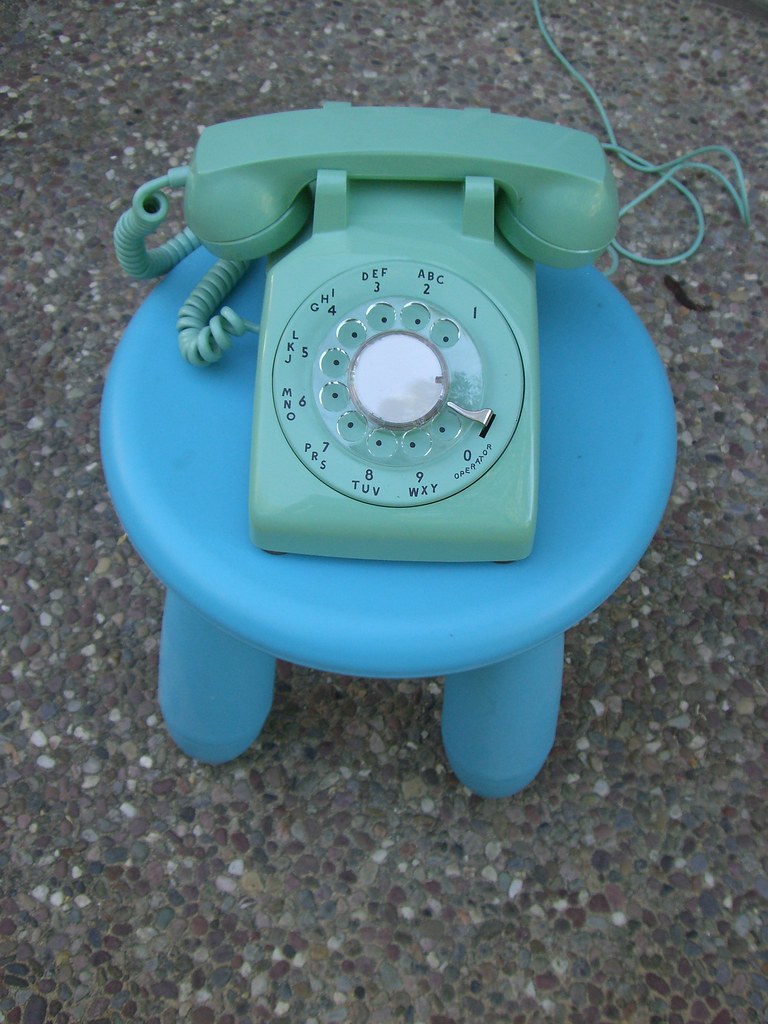
The single household telephone typically hung on the kitchen wall, its coiled cord stretched to its absolute physical limit by anyone trying to gain even a sliver of privacy for a conversation. Long phone calls often meant sitting on the floor in a hallway or leaning awkwardly against a doorframe just out of the cord’s reach of the main room. Dialing a full phone number took genuine time, since each digit required the rotary dial to spin fully back into place before the next one could be entered. Family members negotiated over who got to use the line and for how long. The idea of being physically tethered to a specific spot in the house just to make a phone call would feel like a bizarre restriction to anyone who has only ever known a phone that fits in a pocket.
Mood Rings and Pet Rocks as Genuine Gifts
Mood rings, which changed color based on the wearer’s body temperature and were marketed as a window into someone’s emotional state, sold by the millions and were given as legitimate, sincere gifts for birthdays and holidays. Pet Rocks, quite literally ordinary rocks packaged with a straight-faced care manual, became a massive commercial fad, with people genuinely buying them as novelty pets requiring no food or exercise. Both products were taken seriously enough as gifts that turning one down might have seemed a little rude at the time. Retailers restocked shelves constantly to keep up with demand for what were, by any practical measure, nearly worthless objects. Explaining either fad to someone today usually requires convincing them you’re not simply making up an elaborate joke.

Leave a Reply