

The 1970s living room had a look and a feel that’s instantly recognizable the moment a photo turns up in an old family album. It was warm, a little shaggy, and unmistakably specific to its decade, built around a design sensibility that embraced bold color, natural materials, and a genuine sense of comfort over formality. Nearly every household, regardless of style or budget, seemed to land on a remarkably similar set of furnishings.
Looking back, it’s almost funny how consistently these same pieces show up across completely unrelated families’ memories. Here are ten things that seemed to be in absolutely everyone’s living room during the decade.
Shag Carpet
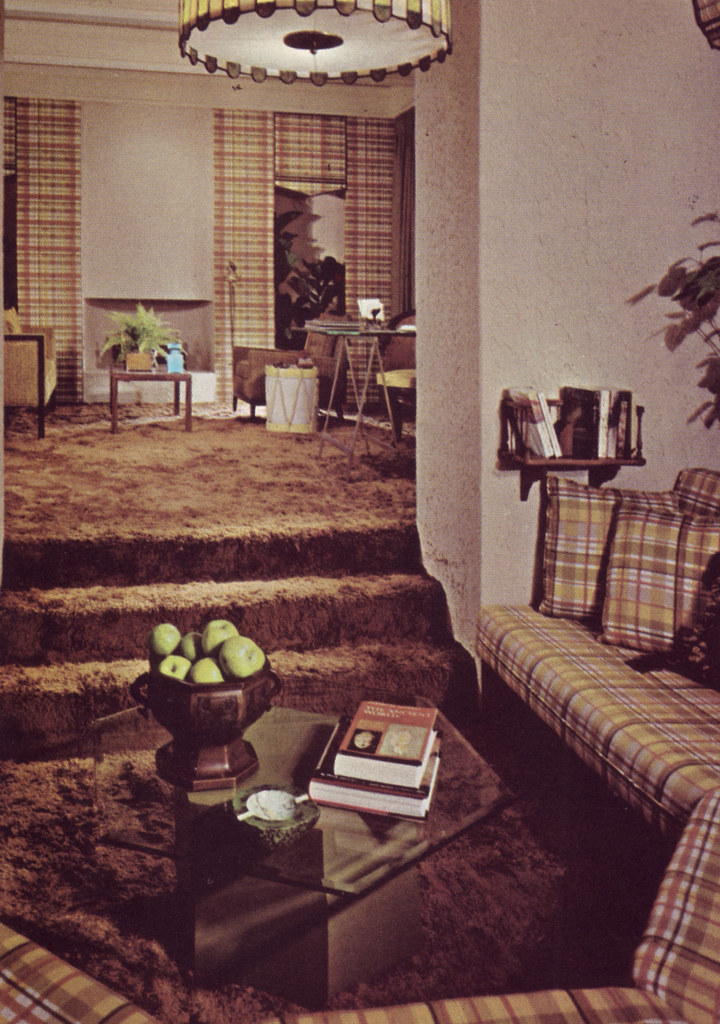
Thick, deep-pile shag carpet in earthy tones like gold, orange, or avocado green covered living room floors in a huge number of homes, providing a soft, casual feel that was a deliberate departure from the more formal flooring of earlier decades. Vacuuming shag carpet was its own specific chore, requiring a rake or special attachment to keep the long fibers looking full and even. The distinctive texture underfoot is one of the most immediately evocative sensory memories tied to the entire decade.
Wood-Paneled Walls
Dark wood paneling, often installed in basements and family rooms as an affordable and easy do-it-yourself upgrade, gave living spaces a warm, cabin-like feel that was enormously popular throughout the decade. The paneling came in large sheets that could be nailed directly over existing walls, making it one of the most accessible home improvement projects of the era. That specific warm, dim glow of a wood-paneled room lit by a single lamp is a distinctly recognizable visual signature of the decade.
A Console Television Set
The television wasn’t just an appliance, it was a substantial piece of furniture, housed in a wooden cabinet that often included storage space and sat directly on the floor rather than on a separate stand. Families arranged their entire living room seating around this console, and changing the channel meant physically getting up and turning a dial, since remote controls were still far from universal. The console television anchored the room in a way that flatscreen models never quite replicated.
A Macrame Plant Hanger
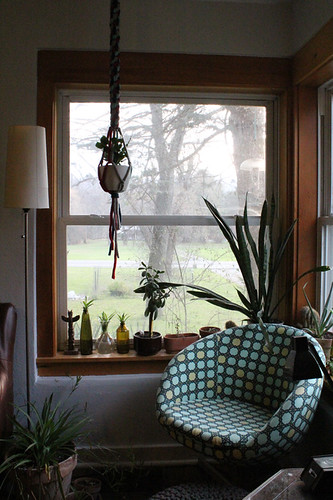
Knotted rope plant hangers, often handmade using patterns from craft books and magazines, suspended potted plants from the ceiling or a hook near a sunny window in a huge number of homes. Macrame was a genuinely popular home craft during the decade, and a hanging spider plant or pothos in a macrame holder became such a common sight that it’s now one of the most immediately recognizable visual shorthand symbols for the entire era.
A Lava Lamp
The lava lamp, with its slowly rising and falling blobs of colored wax suspended in liquid, was a genuinely popular decorative item that brought a psychedelic touch to an otherwise ordinary side table or bookshelf. Watching the wax slowly shift shape as the lamp warmed up was a mesmerizing, almost meditative experience that made the lamp a natural centerpiece in a room built around casual comfort. Its specific warm glow is instantly recognizable to anyone who grew up around one.
A Console Stereo with a Record Player
A large wooden cabinet combining a record player, radio, and speakers into a single substantial piece of furniture served as both the household’s entertainment center and a meaningful piece of living room decor. Families gathered around these consoles to listen to records together, and the cabinet itself was often treated with the same care as other formal furniture pieces in the room, doubling as a display surface for framed photos and decorative objects.
A Naugahyde or Velour Recliner
A single dedicated recliner, upholstered in either shiny vinyl-like Naugahyde or a plush velour fabric, occupied a place of honor in the living room, typically reserved for one specific family member. These chairs were built for comfort above all else, with a mechanism that reclined the seat back and raised a footrest with a satisfying mechanical thunk. The chair’s specific spot in the room was so consistently understood that sitting in it uninvited was practically a household rule violation.
A Bean Bag Chair
Bean bag chairs, filled with tiny foam beads and covered in bright vinyl or corduroy fabric, gave living rooms an informal, low-to-the-ground seating option that appealed especially to kids and teenagers. They molded to whoever sat in them and required a specific kind of balance to get in and out of gracefully, which made them a source of both comfort and mild comedy in nearly every household that owned one.
A Popcorn Ceiling
The bumpy, textured popcorn ceiling finish was applied in a huge number of homes built or renovated during the decade, valued at the time for its ability to hide imperfections and dampen sound between floors. It became such a standard feature that most people didn’t consciously notice it until decades later, when the specific texture became instantly recognizable as a marker of the era’s construction style whenever it turns up in an older home today.
A Wall-Mounted Rotary Phone
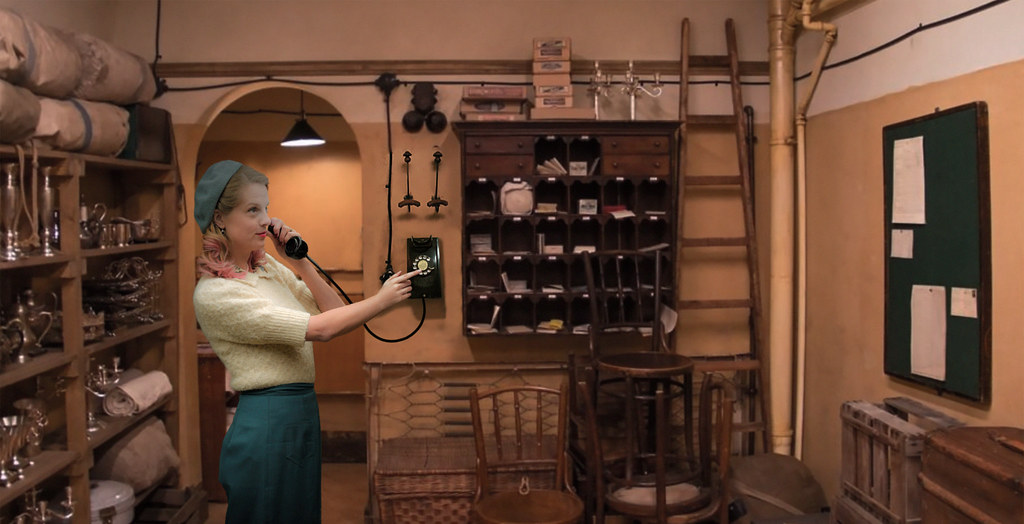
A rotary phone mounted directly on the kitchen or hallway wall, its cord stretched to its physical limit so a family member could carry on a conversation with at least a little privacy, was a fixture in nearly every home. The specific mechanical clicking sound of the dial spinning back into place after each digit is one of the most recognizable auditory memories tied to the decade, and the phone’s fixed location meant every phone call was, by necessity, a shared household event.

Leave a Reply