

Fifty years ago, plenty of everyday routines revolved around objects that have since quietly disappeared from most households. Nobody thought twice about dialing a rotary phone, waiting on a milk delivery, or feeding a stack of carbon paper through a typewriter, because these were simply the tools that ordinary life ran on. There was no sense that any of it was special or nostalgic; it was just how things worked.
Looking back now, it’s striking how completely some of these once-universal habits and objects have disappeared from daily life. Here are eleven things that used to be everywhere and have almost entirely vanished.
Rotary Telephones
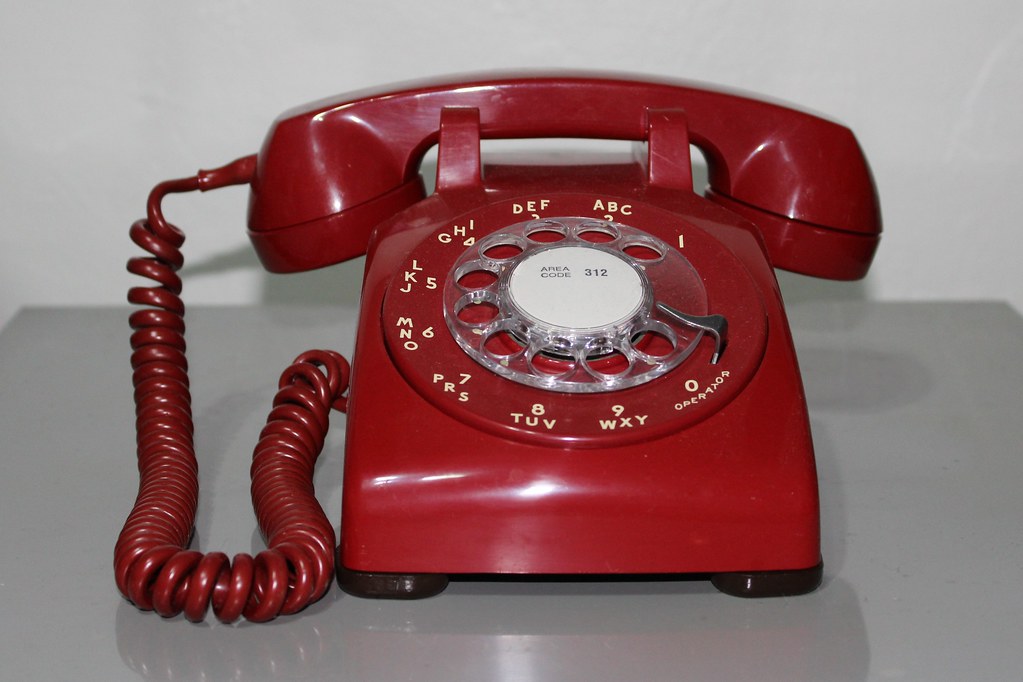
A heavy rotary phone bolted to the kitchen wall, its cord stretched to its absolute limit so someone could talk in relative privacy around the corner, was standard equipment in nearly every American home. Dialing a number meant physically turning the dial and waiting for it to click back into place for every single digit, a process that felt completely normal at the time but seems almost impossibly slow by today’s standards. The shift to touch-tone phones and eventually mobile phones happened gradually enough that most people didn’t notice the rotary phone disappearing until it was already gone from daily life entirely.
Glass Milk Bottles and Home Delivery
A milkman delivering glass bottles to the front porch before sunrise, with empty bottles collected and reused on the next delivery, was a routine part of daily life for many families. The system relied on local dairies and a delivery infrastructure that made sense before large supermarkets consolidated grocery shopping into a single weekly trip, and as that shopping pattern shifted, home milk delivery quietly faded out of most communities, taking the familiar clink of glass bottles on the porch step along with it.
TV Trays for Dinner in Front of the Television
Folding metal TV trays, often decorated with a printed pattern and stored together in a matching stand, were how many families ate dinner while watching a favorite evening show. The trays folded flat for storage and popped open in front of a chair or couch, turning the living room into a casual dining space for at least a few nights a week. As dining habits shifted and open-concept living spaces made it easier to eat at an actual table while still watching television, the dedicated TV tray became far less necessary and largely disappeared from everyday use.
Rooftop TV Antennas
Adjusting a rooftop antenna, or the rabbit-ear antenna perched on top of the television itself, was a routine part of watching television before cable and satellite service became widespread. Getting a clear picture sometimes meant physically turning the antenna, wrapping the rabbit ears in aluminum foil, or having someone stand in a specific spot in the room to improve reception, a shared household task that an entire generation remembers vividly. Cable, satellite, and eventually streaming service made these physical adjustments completely unnecessary, and rooftop antennas have largely disappeared from residential rooflines.
Carbon Paper
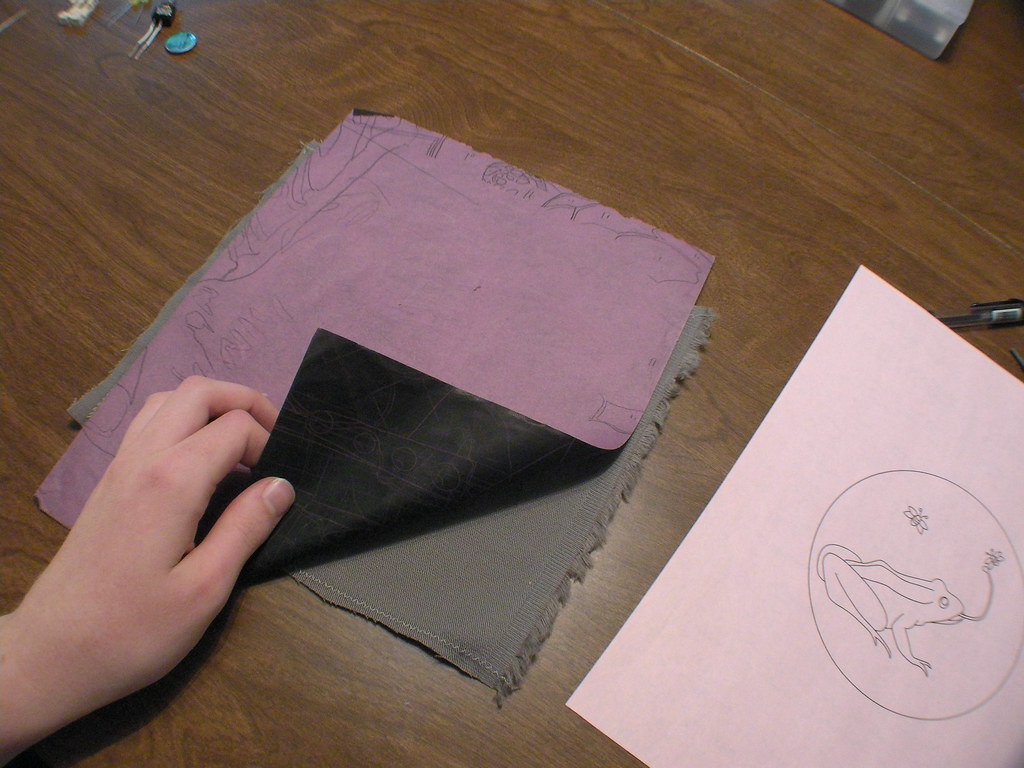
Before photocopiers were common in homes and small offices, carbon paper was the standard way to create a duplicate copy of a typed or handwritten document. A thin sheet coated in dark pigment was placed between two pieces of paper, and the pressure from a typewriter key or pen transferred the text onto the second sheet automatically. It stained fingers, smudged easily, and required careful handling, but it was simply how duplicate records were made for decades until photocopiers and eventually computers made the entire process unnecessary.
Green Stamps and Trading Stamp Books
Grocery and gas station purchases used to come with trading stamps, small adhesive stamps that shoppers licked and pasted into collection books, which could later be redeemed for household goods at a redemption center. Filling an entire book took patience and repeated shopping trips, and many families kept a designated drawer just for stamps and half-filled books. The trading stamp system faded out as retailers shifted toward other loyalty and rewards programs, and the ritual of licking and pasting stamps into a book disappeared along with it.
Console Stereo Systems
A large wooden cabinet housing a record player, radio, and speakers in one substantial piece of furniture used to anchor the living room in many homes, serving as both a functional stereo system and a visible piece of furniture design. Families gathered around these consoles to listen to records and radio broadcasts together in a way that feels distinctly different from personal, individual listening habits today. As stereo components became smaller and eventually digital, the large furniture-style console became unnecessary and largely disappeared from living rooms.
Film Cameras and Photo Drop-Off Developing
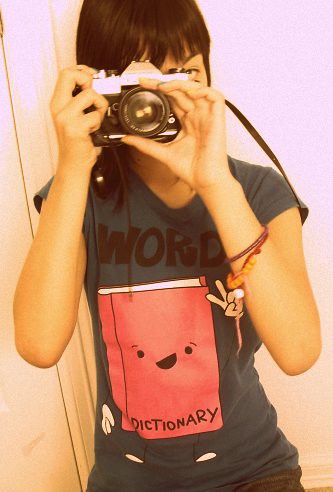
Taking photos meant loading a roll of film, carefully rationing shots since a roll only held so many exposures, and then dropping the film off at a pharmacy or dedicated photo counter to be developed over the following days. The anticipation of picking up a developed envelope of prints, not knowing exactly how the photos turned out until that moment, was a universal experience before digital cameras and smartphones made instant image review the norm. Film drop-off counters have almost entirely disappeared from everyday errands.
Clotheslines and Wooden Clothespins
Hanging laundry outside on a line strung between two posts or trees, secured with wooden clothespins, was simply how most families dried their clothes before electric dryers became affordable and common in nearly every household. The specific smell of line-dried sheets and the sight of a full clothesline swaying in the breeze were once a completely ordinary part of a weekly routine. As dryers became standard appliances, outdoor clotheslines largely disappeared from suburban and urban backyards, though they persist in some rural areas and among those who prefer the practice.
Mimeograph and Ditto Machines
Anyone who attended school decades ago likely remembers the distinctive purple-inked handouts produced by a ditto machine, along with the specific chemical smell of a freshly printed page. These machines used a stencil-and-solvent process to produce copies for classrooms and offices before photocopiers became affordable and widespread. The smell alone is enough to trigger a specific, vivid memory for an entire generation, even though the machines themselves have almost entirely disappeared from schools and offices.
Portable Transistor Radios
A small transistor radio, held to the ear or set on a windowsill with its antenna extended, was how many people listened to music and news outside the home before portable audio players and smartphones existed. These radios ran on batteries and were genuinely portable in a way that earlier vacuum tube radios were not, making them a constant presence at beaches, ballgames, and backyard gatherings throughout the mid-twentieth century. Their specific function has since been absorbed into phones and other multipurpose devices, and the dedicated transistor radio has become a distinctly nostalgic object rather than an everyday tool.

Leave a Reply