

Kitchens accumulate stuff faster than almost any other room in the house, and they also tend to be where the ruthless purging happens first. Chipped bowls, mismatched lids, and cookware that’s been replaced by something with a nonstick coating all seem like obvious candidates for the donation box or the trash. Out with the old, in with whatever’s currently on sale at the kitchen supply store.
The problem is that a lot of “old” kitchen equipment was actually built better than what replaced it, and some of it has become genuinely valuable simply because it isn’t made anymore. Before clearing out a kitchen drawer or cabinet, these seven categories deserve a second look.
Cast Iron Skillets
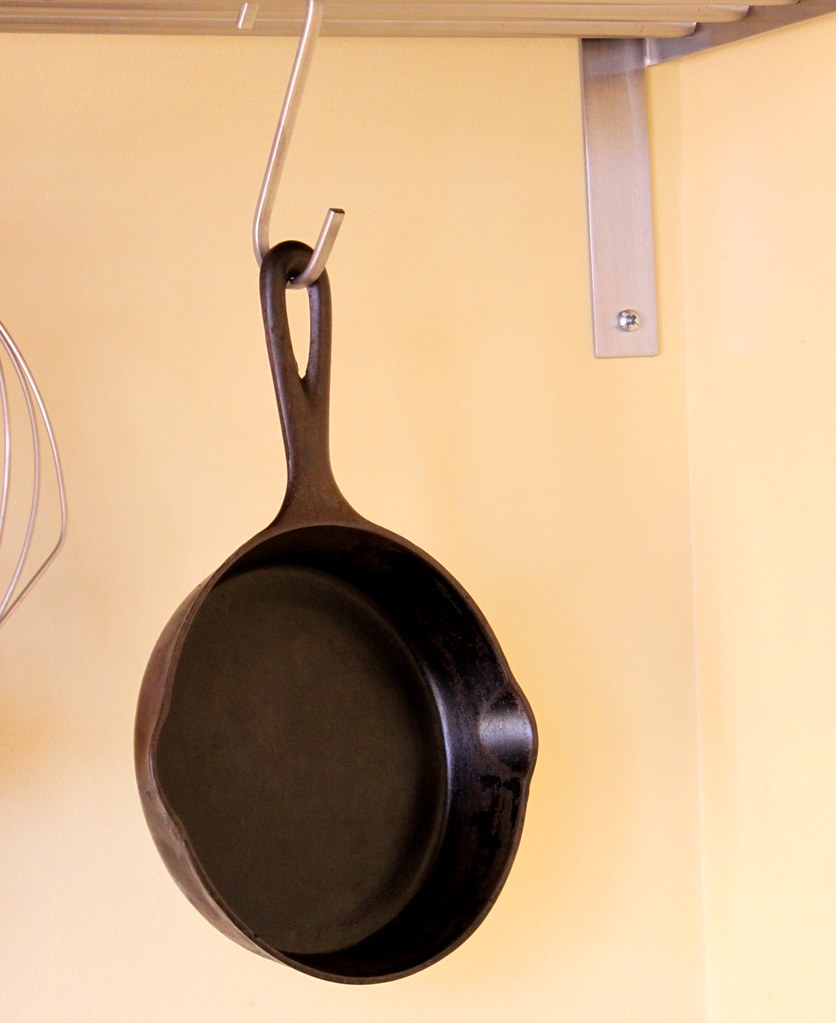
A heavy, dark skillet that’s been in the family for decades often gets treated as an outdated relic once a nonstick pan takes its place on the stovetop. Vintage cast iron from established American manufacturers is generally smoother and more evenly cast than most modern reproductions, a quality that serious home cooks specifically seek out. Because production of the most desirable vintage pieces ended long ago, the supply is fixed while demand keeps climbing, and well-marked examples can sell for several hundred to a few thousand dollars. A rusty old skillet is almost always worth restoring rather than replacing.
Vintage Pyrex Mixing Bowls
Chipped or stained Pyrex bowls seem like an easy thing to toss once a new mixing bowl set shows up, especially when the old ones have decades of stains baked into the glass. Certain discontinued patterns have become genuinely valuable to collectors, with rarer examples selling for several hundred dollars or more. Even common patterns tend to be more durable than many newer glass mixing bowls, holding up to decades of daily use without cracking. It’s worth checking the pattern before deciding an old bowl belongs in the trash.
CorningWare Cornflower Casserole Dishes
White casserole dishes with a small blue cornflower pattern were a staple of family dinners for decades, often the exact dish that traveled to every potluck and holiday gathering. These dishes were built to go from freezer to oven to table, a versatility that made them genuinely useful rather than purely decorative. While common pieces remain affordable, the pattern has a devoted collector following, and complete sets with lids in good condition can sell for meaningfully more than a new casserole dish costs. A dish that survived decades of dinners has earned a spot in the keep pile.
Vintage Stand Mixers
Heavy, all-metal stand mixers from decades ago often get replaced once a sleeker, lighter model comes along, but the older machines were frequently built with more powerful motors and all-metal gears designed to outlast their owners. A well-maintained vintage mixer can still handle heavy bread dough and thick batters that some modern plastic-geared mixers struggle with. Parts and attachments for older models are often still available, which means a decades-old mixer can keep running with basic maintenance. Before replacing an old mixer that still runs, it’s worth checking whether it’s actually the better machine.
Fire-King Jadeite Dishware
That distinctive milky green dinnerware was inexpensive, everyday kitchenware when it was made, the kind of thing that got used without a second thought and occasionally chipped along the way. Its rise as a genuinely collectible category has been significant, with rare pieces selling for over a thousand dollars to dedicated collectors. Even chipped or worn pieces often retain some value and are far more interesting to display than to discard. It’s worth setting aside any jadeite before it ends up in a donation box priced like ordinary dishware.
Metal Cookie and Biscuit Tins
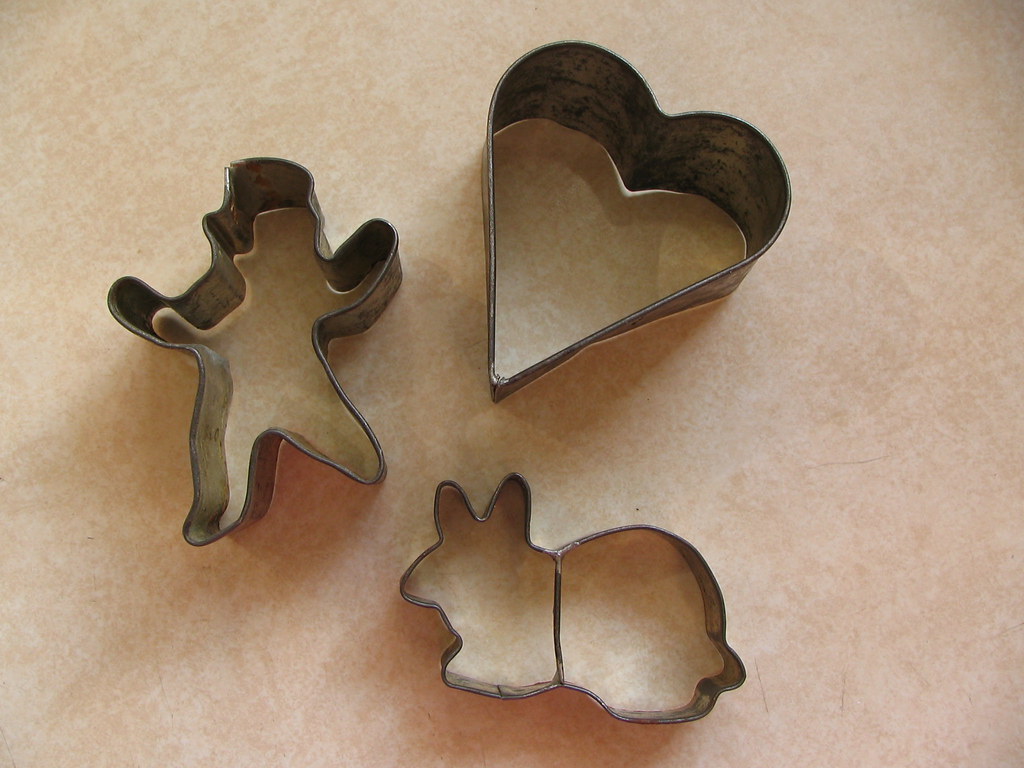
Decorative tins, often originally packaging for holiday cookies or imported biscuits, tend to accumulate in a kitchen drawer until someone decides they’re just clutter taking up space. These tins were frequently printed with detailed, colorful designs specific to a certain era or brand, making them small pieces of graphic design history as much as functional storage. Collectors of advertising and packaging ephemera specifically seek out well-preserved tins from certain eras and brands. Before recycling an old tin, it’s worth considering whether its design and condition make it worth keeping as a small collectible.
Vintage Tupperware in Rare Colors
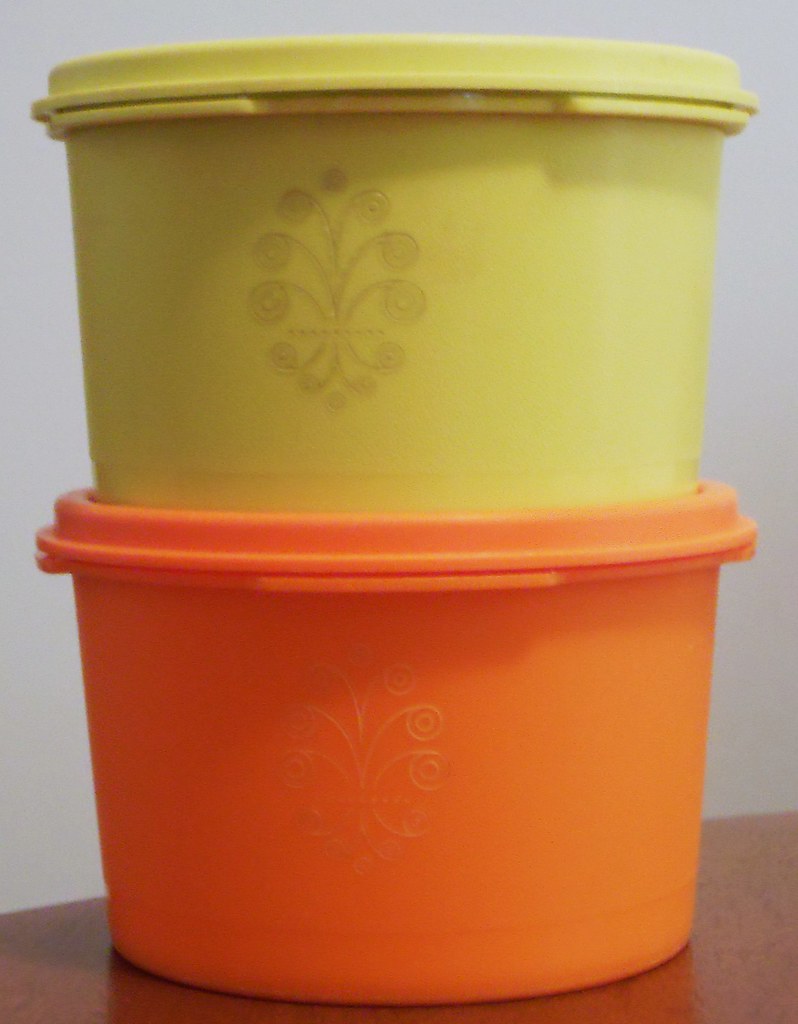
Plastic storage containers seem like the last thing worth keeping once the lids start warping or going missing, and most vintage Tupperware genuinely isn’t valuable. Certain discontinued colors and shapes, however, particularly ones tied to specific short production runs, have developed a real following among collectors who specifically hunt for pieces no longer made. A complete set with matching lids in an unusual color is worth more to the right buyer than a mismatched set in a common shade. It’s worth sorting through an old Tupperware collection by color and completeness before assuming it’s all destined for the trash.

Leave a Reply