

Some vintage categories have always been rare. Others, though, used to be genuinely common, the kind of thing you could count on finding at nearly any estate sale or thrift store without much effort. It’s only in the last several years that a handful of these once-reliable finds have quietly become scarce, thinned out by a combination of collector demand, decades of everyday use, and the simple fact that nobody is making more of them.
These six categories are worth knowing specifically because their scarcity tends to catch even experienced pickers off guard. Here’s what’s become surprisingly hard to track down lately.
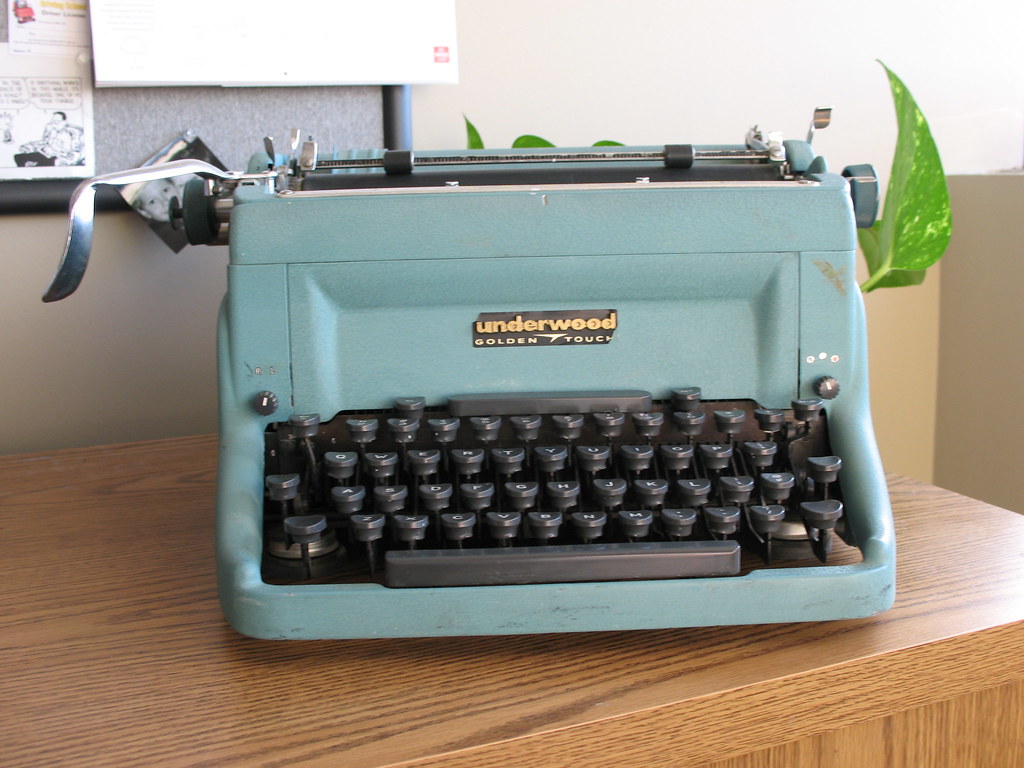
Working Manual Typewriters
A manual typewriter that still types cleanly, with all its keys intact and a carriage return that functions properly, used to be an easy find at almost any estate sale. Decades of storage in damp basements and garages have taken a toll on ribbons, rollers, and internal mechanisms, and the renewed popularity of typewriters among writers and hobbyists who actually want to use them, rather than just display them, has made functional examples noticeably harder to find than purely decorative ones. A typewriter that looks complete on the outside frequently turns out to have a seized mechanism once someone actually tries to type on it.
Antique Singer Sewing Machines with Original Cabinets
Treadle sewing machines housed in their original ornate wooden cabinets used to be common enough that they were sometimes given away simply to clear space. The machines themselves survived well since they were built from cast iron, but the wooden cabinets were more vulnerable to water damage, veneer separation, and general wear, meaning a complete example with both the machine and its matching original cabinet intact has become considerably harder to find than the machine head alone. Appraisal resources for vintage Singer machines note that cabinet condition is now one of the biggest factors separating an easy find from a genuinely scarce one.
Complete Vintage Board Games
Board games from the 1960s and 1970s were played hard, which means pieces, cards, and dice went missing at a steady rate over the decades before a game ever reached an estate sale or thrift shop. Collector pricing resources consistently point to completeness as the single biggest factor separating a common find from a genuinely scarce one, and the pool of fully intact examples has only grown smaller as more incomplete sets get filtered out of circulation entirely. A truly complete vintage game in its original box has become one of the more elusive finds in the secondhand market.
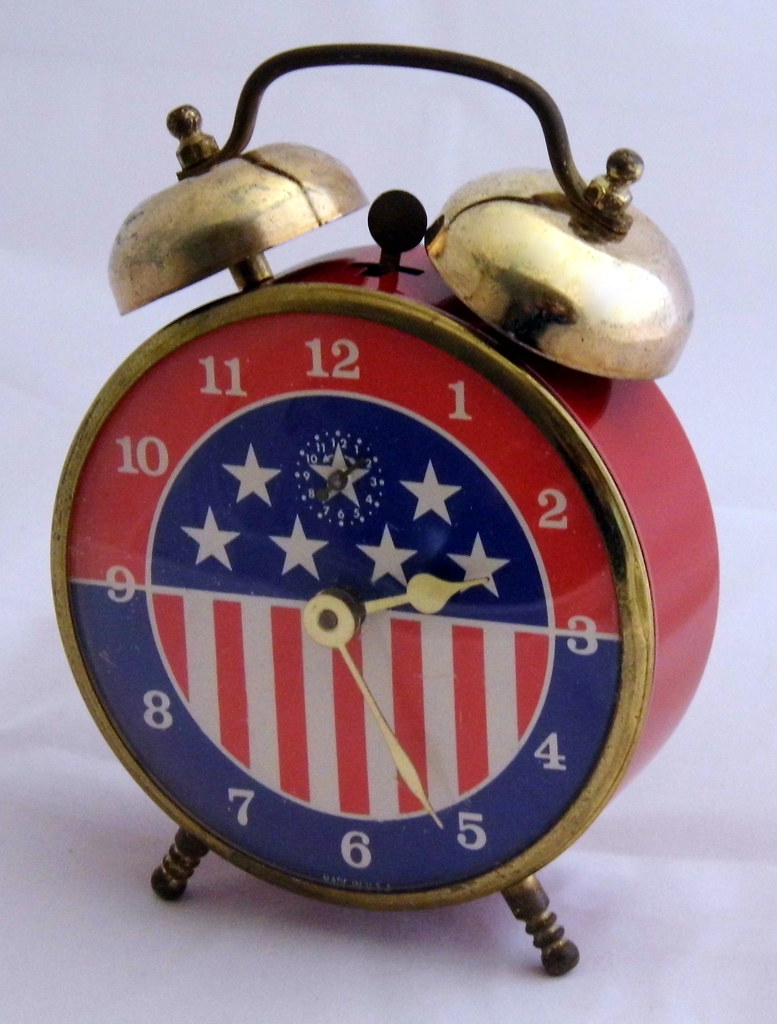
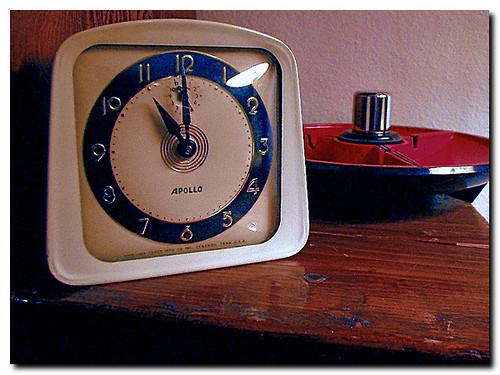
Mechanical Wind-Up Alarm Clocks
Loud, reliable, and entirely free of batteries, wind-up alarm clocks used to be a fixture on nearly every bedside table before digital and battery-powered clocks took over completely. These clocks required regular winding and occasional mechanical servicing to keep running, and many simply stopped working and were discarded once repair became inconvenient, which has thinned out the supply of examples that still tick and ring properly. A working wind-up alarm clock with its original bell mechanism intact has become a genuinely satisfying find for anyone who remembers waking up to one.
Vintage Tin Wind-Up Toys
Lithographed tin toys with wind-up mechanisms, popular from the early to mid-twentieth century, were made from thin metal that dented, rusted, and wore out relatively quickly compared to later plastic toys. Collector resources on antique tin toys describe how fragile construction combined with decades of childhood play has made surviving examples in good condition genuinely scarce, particularly toys that still have functioning wind-up mechanisms rather than purely decorative value. Collectors specifically prize examples with original paint and no rust damage.
Console Record Players and Home Hi-Fi Cabinets
Large wooden console stereos, combining a record player, radio, and sometimes a small bar cabinet into one substantial piece of furniture, used to anchor living rooms across the country. Their sheer size has worked against their survival, since many were discarded during moves or renovations simply because they were too bulky to relocate, and the vacuum tube components inside required specialized knowledge to repair once they stopped working correctly. A console stereo that still plays records properly, with its original wood cabinet intact and undamaged, has become a genuinely uncommon find compared to how routinely these pieces used to turn up.

Leave a Reply