

There’s a particular kind of kitchen that gets mocked in one decade and coveted in the next, and right now the pendulum is swinging hard back toward the mid-century and postwar looks that got gutted during every kitchen renovation of the 2000s. Jadeite mixing bowls that once sat forgotten in a cabinet are showing up staged on open shelving in design magazines. Chrome dinette sets that seemed hopelessly outdated a generation ago are being restored rather than replaced. The kitchens our grandparents cooked in weren’t sleek or minimal, but they had a warmth and personality that a lot of homeowners are actively chasing again.
Here are eight once-dismissed kitchen trends that are quietly, and in some cases very seriously, back in style.
Jadeite Glassware
That soft, opaque green glass, manufactured heavily by Fire-King and Jeannette Glass from the 1930s through the 1950s, was standard everyday kitchenware for a whole generation before it fell out of fashion and got boxed up or donated by the truckload. For decades it was treated as ordinary, replaceable dishware rather than anything worth preserving. Collectors now treat original jadeite with real seriousness, and depending on the piece, pattern, and maker, individual items can range from a modest sum for common bowls up into the hundreds of dollars for rarer restaurant-ware pieces and harder-to-find shapes, according to WorthPoint’s Fire-King glassware price guide. The soft, milky green that once seemed unremarkable is exactly what makes it so recognizable and so collectible now, especially against the stark white and stainless kitchens it eventually replaced.
Pyrex Mixing Bowls
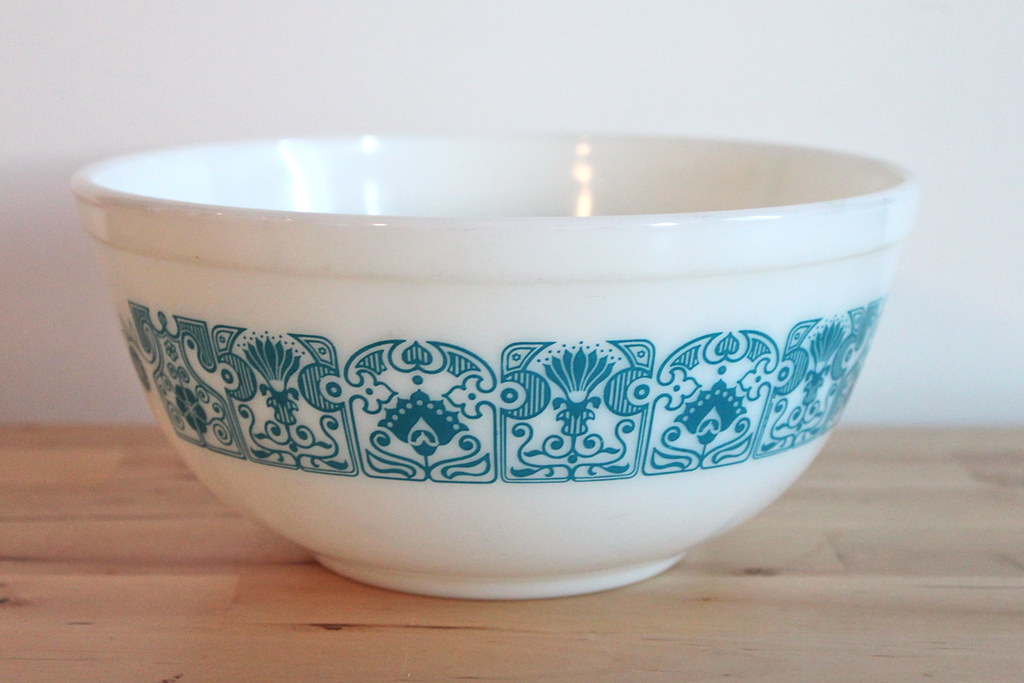
Nesting sets of colorful Pyrex mixing bowls, printed with patterns like Butterprint, Snowflake, or Pink Gooseberry, were a fixture of nearly every kitchen cabinet from the 1950s through the 1970s, used daily for everything from cake batter to leftovers. As newer, often plastic mixing bowl sets took over, plenty of these original sets ended up at yard sales for next to nothing, their patterns considered simply outdated rather than desirable. That has flipped entirely, with certain patterns and colorways now drawing serious collector attention and prices that can run from modest for common patterns to genuinely striking sums for rare colorways in excellent condition, according to Kovels’ guide to vintage Pyrex values. The hunt for a complete, unchipped nesting set in a desirable pattern has become a genuine sport among thrifters who know exactly which markings to check on the bottom of each bowl.
Chrome Dinette Sets
The chrome-legged table with a laminate top, paired with vinyl-upholstered chairs, was the default kitchen furniture set in countless postwar homes, prized at the time for being easy to wipe clean and genuinely modern-looking. As decorating tastes shifted toward wood tones and farmhouse styling, chrome dinette sets came to look cheap and dated by comparison, and plenty were discarded rather than passed down. Now they’re being actively sought after for exactly the retro diner charm that made them feel modern the first time around, restored with reupholstered seats and polished chrome rather than replaced. A well-preserved set with its original laminate pattern intact, particularly in a boomerang or atomic starburst design, reads as a genuine style statement in a kitchen today rather than a dated compromise.
Hoosier Cabinets
Before built-in kitchen cabinetry became standard, the freestanding Hoosier cabinet served as a household’s entire food prep and storage station, complete with a fold-out work surface, flour sifter, and rows of small drawers and bins for staples. As fitted, wall-to-wall cabinetry became the norm through the middle of the twentieth century, Hoosier cabinets were pushed into basements, garages, or the trash, seen as bulky relics that took up valuable floor space. They’ve returned as genuinely prized statement pieces, valued now for the exact ingenuity and character that made them obsolete in the first place, often restored and repurposed as a pantry, bar, or craft storage station in kitchens that otherwise lean modern. Original hardware and an intact flour sifter significantly boost how desirable a given cabinet is to collectors and renovators alike.
Canister Sets
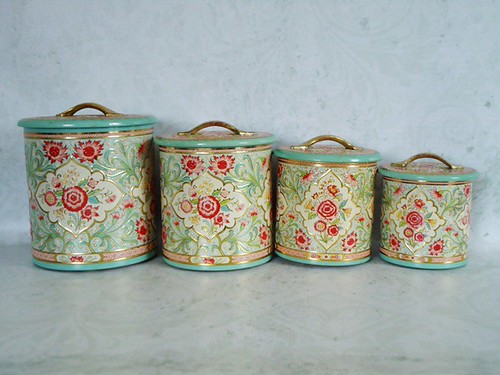
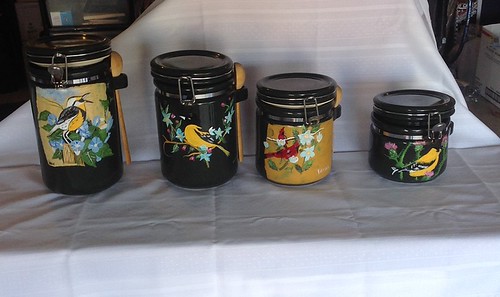
Matching sets of tin or ceramic canisters labeled flour, sugar, coffee, and tea sat on nearly every kitchen counter for decades, a practical solution for storing dry goods before airtight plastic containers and pantry organization systems took over that job. As those canisters came to feel cluttered and mismatched with newer kitchen aesthetics, they were relegated to cabinets or donated outright in favor of a cleaner, hidden-storage look. The matching canister set has resurfaced as a deliberate styling choice for open shelving, valued now for the same graphic lettering and cheerful colors that once made it feel purely functional rather than decorative. Vintage tin sets from well-known mid-century manufacturers, especially in complete, unrusted condition, have become popular finds specifically because so many were used hard and eventually discarded.
Cookie Jars
A ceramic cookie jar, often shaped like an animal, a chef, or a cartoonish character, sat on the counter of nearly every household with children, refilled weekly and treated as a genuinely central piece of kitchen decor rather than an afterthought. As homes trended toward sleeker, less decorative counters, the cookie jar came to seem cluttered and old-fashioned, and plenty were packed away or sold off during downsizing and estate cleanouts. They’ve come back with real enthusiasm, both as functional counter pieces and as display collectibles, appreciated now for the whimsical character design that once seemed too playful for a grown-up kitchen. Figural jars from well-documented manufacturers, particularly in undamaged condition with their original lids, draw the most attention from today’s collectors hunting through estate sales and antique malls.
Patterned Linoleum
Sheet linoleum in bold checkerboard, floral, or geometric patterns covered kitchen floors across the country for much of the twentieth century, valued at the time for being durable, easy to clean, and considerably cheaper than tile or hardwood. As linoleum came to be associated with cheap, builder-grade flooring, it was ripped out in favor of tile, vinyl plank, and hardwood during nearly every kitchen renovation for a solid few decades. Patterned linoleum is quietly finding new appreciation, particularly reproduction versions of classic checkerboard and floral designs, valued now for the graphic, retro punch they bring to a kitchen rather than being dismissed as a budget material. Original vintage sheet linoleum in good condition, especially in a documented period pattern, is increasingly preserved rather than removed by owners of historic homes.
Copper Cookware
Gleaming copper pots and pans, often hung from a rack above the stove or island, were both a functional cooking choice and a display piece in kitchens for generations, prized for how evenly copper conducts heat. As stainless steel and nonstick coatings took over for their lower maintenance, copper cookware fell out of everyday use, relegated to decorative hanging racks or packed away because of the regular polishing it requires to stay bright. It’s returned to serious use among home cooks who value copper’s genuine cooking performance, alongside a renewed appreciation for the way a hanging rack of copper pots warms up an otherwise sleek, stainless kitchen. Well-maintained vintage copper pieces, particularly from established French and American cookware makers, are sought after specifically for the thicker copper gauge no longer common in most modern production.

Leave a Reply