

Every generation looks back on its childhood through a slightly rosy lens, and there’s nothing wrong with that — warm memories are part of what makes the past feel like home. But some of the actual daily habits that filled those “good old days” were, by any honest modern standard, pretty rough around the edges. They were normal because everyone did them, not because anyone had carefully considered whether they were a good idea.
If you tried reviving most of these habits in a modern household, you’d likely get a visit from a concerned neighbor, a horrified reaction from your own kids, or possibly a call from the city. Here are eight household habits from the good old days that most people, if we’re being honest, would absolutely hate having to do again.
Burning Trash in a Backyard Barrel
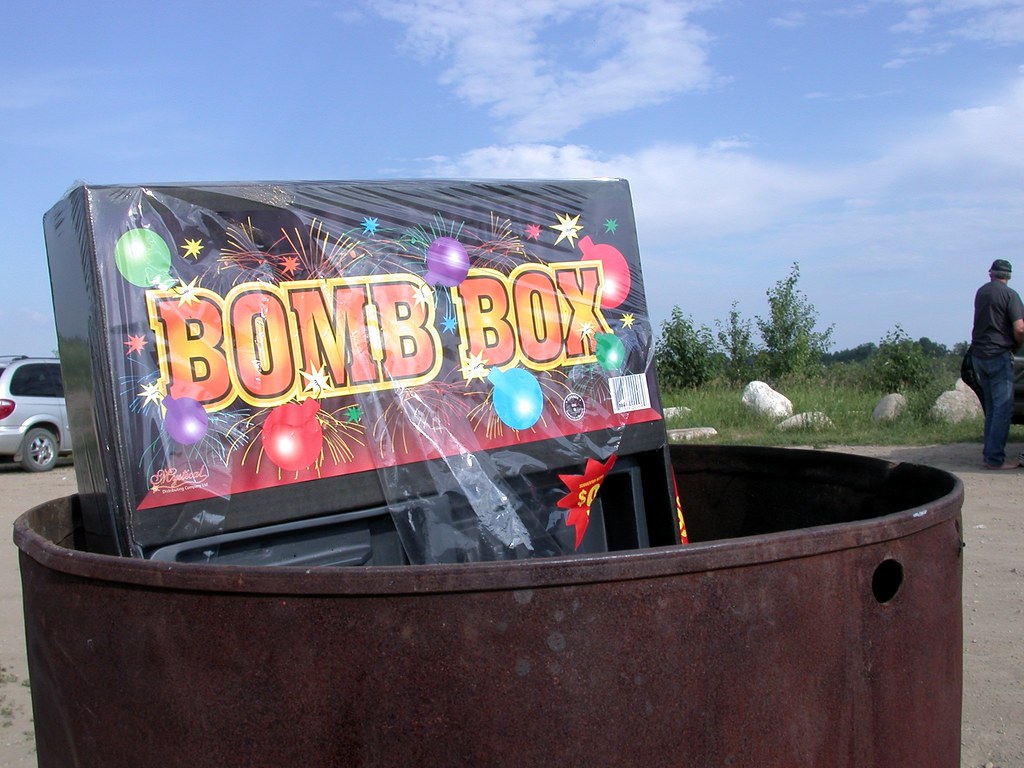
Before curbside trash pickup and recycling programs became widespread and standardized, plenty of households simply burned their garbage in a metal barrel out back, watching paper, cardboard, and food scraps go up in smoke on a regular basis. It was considered a normal, practical way to deal with waste rather than anything to think twice about. The smoke, the smell that clung to clothes and hair, and the genuine fire risk on a windy day were all just accepted as part of the process. Neighbors dealt with each other’s backyard smoke as an unremarkable fact of life rather than a nuisance worth complaining about. Try setting up a burn barrel in most towns today and you’d likely have a fire department and several angry neighbors at your door within the hour.
Spraying Pesticides Straight Onto the Yard and Kids
Neighborhood mosquito control in many mid-century American towns involved a truck driving slowly down residential streets, spraying a thick fog of DDT directly into yards while kids often ran and played right behind it, chasing the fog for fun. At the time, it was marketed as a modern miracle chemical, a triumph of science over pesky bugs, with little public concern about what it might be doing to people or the environment. That changed once research linked the pesticide to serious ecological and health concerns, and the Environmental Protection Agency banned DDT for most uses in the United States in 1972. What was once treated as harmless summer fun — kids literally biking through pesticide fog — is now almost unthinkable, and rightly so.
Letting Kids Ride Loose in the Back of the Car
Long car trips often meant kids sprawled out in the way-back of a station wagon, or bouncing freely across the back seat with no car seat, no booster, and frequently no seatbelt at all. Parents weren’t being careless by the standards of the time — it was simply how everyone traveled, since car seats as we know them weren’t standard equipment and seatbelt use wasn’t yet required or even widely practiced. Kids climbing between the front and back seats while the car was moving down the highway was a completely unremarkable sight. Today, the idea of loading multiple unrestrained children into a moving vehicle is enough to trigger genuine alarm, reflecting decades of safety research and law that simply didn’t exist back then.
Smoking Indoors at Every Family Gathering
Lighting up a cigarette at the dinner table, during a card game, or while holding a baby was a completely ordinary part of adult social life for decades, with ashtrays as standard a household fixture as coasters. Family photos from holiday gatherings frequently show a haze of smoke hanging in the room, barely noticed by anyone at the time. Kids grew up breathing secondhand smoke constantly at home, in cars, and in restaurants, long before the health risks were widely understood or acted upon. Hosting a party without offering guests an ashtray would have seemed almost rude. Today, the idea of smoking indoors around children at a family gathering feels almost unthinkable, a habit nearly everyone now recognizes as a genuine health hazard rather than a harmless social custom.
Leaving Doors and Windows Unlocked All Summer
In plenty of neighborhoods, especially smaller towns, it was completely normal to leave your front door unlocked all day, and sometimes overnight, without a second thought. Windows stayed open for airflow with no screen or security concern beyond keeping bugs out. Neighbors and even friendly strangers might let themselves in to drop something off or wait for someone to get home. This level of casual trust reflected genuinely different community norms and, in many cases, simple naivety about risk rather than any real evidence that it was actually safe. Suggesting this habit to most homeowners today would be met with immediate and justified skepticism, given how much awareness around home security has changed.
Drying Laundry Outside Regardless of the Season
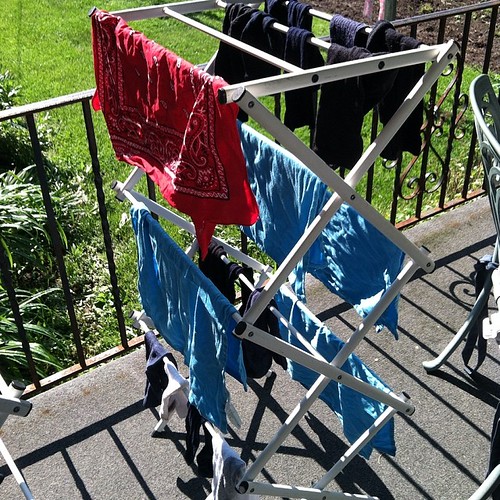
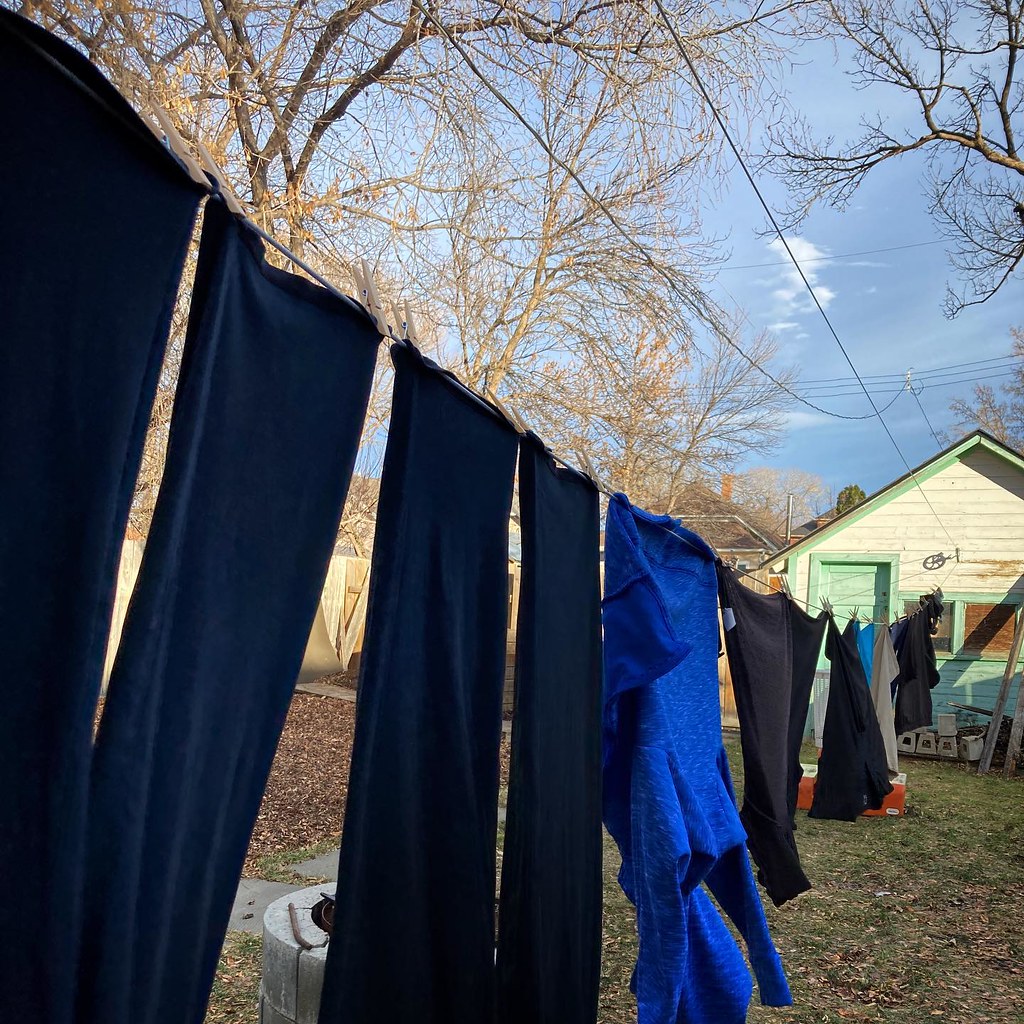
Hanging laundry on an outdoor clothesline was standard practice year-round in many households, dryers being either unavailable or considered an unnecessary luxury expense. That meant hauling wet, heavy laundry outside even in the dead of winter, pinning it to a line where it would sometimes freeze into stiff, board-like shapes before it ever actually dried. Bringing in frozen sheets and letting them thaw and finish drying indoors was a genuinely common winter chore. It required real physical effort and planning around the weather nearly every single day. Most people today, accustomed to tossing a load in the dryer and walking away, would find the sheer daily labor involved in this routine exhausting.
Feeding the Whole Family From One Communal Water Glass or Bottle
Sharing a single glass of water, a soda bottle, or even a canteen among multiple family members during a car trip or a day outside was treated as completely ordinary, without much thought given to germs or hygiene. Kids passed a garden hose or a single cup around at gatherings without anyone considering it worth mentioning. Colds and other minor illnesses moved through households quickly as a result, though people rarely connected the dots at the time. Modern awareness of how easily germs spread has made this kind of casual sharing feel noticeably less appealing. Suggesting the whole family share one water bottle on a road trip today would likely get a very different reaction than it once did.
Letting Young Kids Run Errands Alone, Including for Adult Purchases
It wasn’t unusual for a parent to hand a young child money and a short note, sending them alone to the corner store to pick up groceries, cigarettes, or other household items that today would raise serious eyebrows if a child bought them. Store clerks handled these transactions routinely, without asking many questions, since it was simply understood as a normal part of running a household. Kids often walked or biked several blocks alone to complete these errands, sometimes crossing busy streets without any adult supervision at all. Parents saw it as an early lesson in responsibility rather than a risk worth reconsidering. Today, both the errand itself and the purchases involved would likely draw concern from store employees, neighbors, or anyone else who happened to notice.

Leave a Reply