

There was a time, not that long ago, when certain sections of the thrift store were treated as pure filler. Racks of plain denim, shelves of mismatched kitchenware, and bins of old records sat largely untouched by shoppers who considered them the least interesting part of the store. That era is effectively over, and the categories that used to get overlooked entirely are now the ones that disappear from shelves within hours of being put out, if they make it to the sales floor at all.
Increased collector demand, combined with the simple fact that these items aren’t being made anymore, has made certain once-common thrift finds genuinely difficult to track down. Here are ten things that used to sell for next to nothing and are now considerably harder to find.
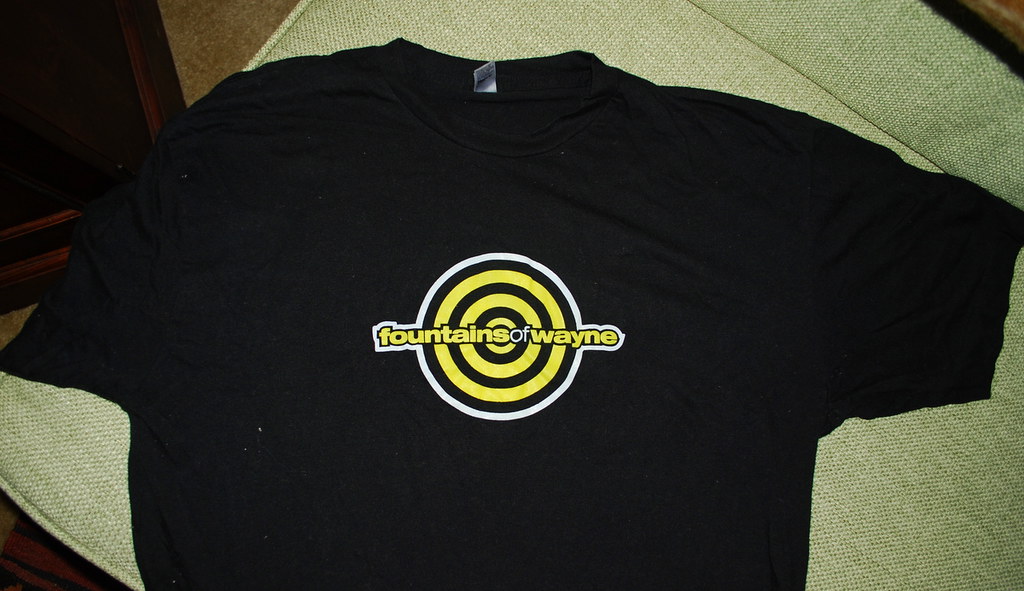
Vintage Band and Concert T-Shirts
Faded cotton t-shirts printed with old tour dates and band graphics used to sit in thrift store bins by the dozen, priced the same as any other used shirt. Vintage clothing resellers now actively hunt these shirts specifically, since the soft, worn cotton and original screen-printed graphics from decades past can’t be reproduced by modern reprints, which has driven both demand and prices up considerably while thinning out what actually makes it to store shelves.
Levi’s 501 Jeans
Plain denim jeans were once one of the most overlooked categories in any thrift store, priced identically regardless of brand or construction. Vintage denim auction records show that selvedge-seamed Levi’s from before the 1980s now command significant premiums, and the combination of resellers actively sourcing this denim and simple decades of wear thinning out the remaining supply has made genuine vintage pairs noticeably harder to find on a typical thrift trip than they were even a decade ago.
Vinyl Records
Crates of records were once a thrift store afterthought, often priced at a quarter apiece and rarely browsed by anyone under the age of fifty. Vinyl collector resources confirm the format’s resale market has grown substantially, and thrift stores that once let records pile up unsold now frequently see them picked over within minutes, with staff at some locations pulling records for online resale before they ever reach the shelf.
Vintage Pyrex and Corningware
Patterned kitchenware used to be treated as ordinary secondhand dishware, priced at a dollar or two regardless of pattern. Marketplace data on vintage Pyrex shows sustained demand for discontinued patterns, and the widespread awareness of which patterns are valuable has made complete, chip-free sets considerably scarcer on thrift shelves than they were before collectors started specifically searching for them.
Cast Iron Skillets
Cast iron cookware was long considered undesirable at thrift stores because it looked heavy, rusty, and outdated compared to nonstick alternatives. Auction records for collectible cast iron reflect the renewed interest in vintage cookware from manufacturers no longer in business, and the combination of home cooks rediscovering cast iron and resellers specifically hunting it has made well-marked vintage pieces meaningfully harder to come across than in years past.
Wool Sweaters and Coats
Natural fiber outerwear used to sell for the same modest price as synthetic equivalents, since most shoppers didn’t distinguish between fabric types when browsing a rack. As awareness of fabric quality and sustainability has grown, wool coats and sweaters have become a specific target for thrift shoppers checking tags before anything else, which has thinned out the natural fiber selection considerably compared to a rack that once had wool and synthetic pieces mixed together in equal numbers.
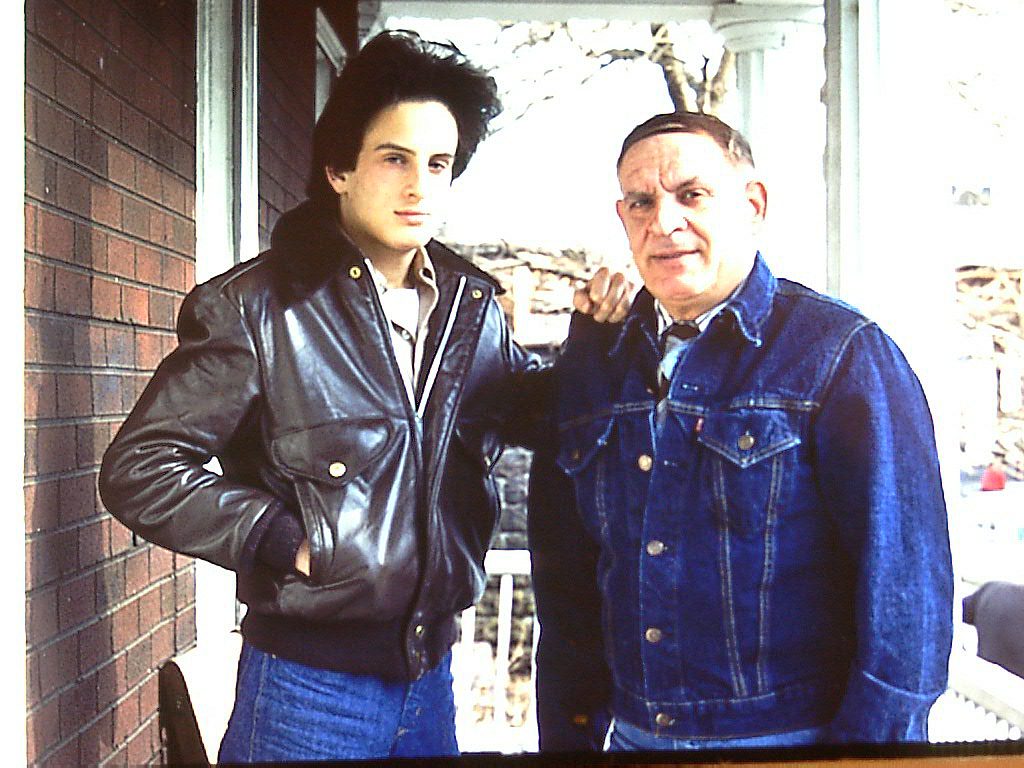
Leather Jackets
Genuine leather jackets used to blend in with synthetic imitations on a thrift store rack, priced the same regardless of material. Full-grain leather jackets, particularly from established manufacturers with quality stitching and hardware, are now specifically sought out by both vintage resellers and everyday shoppers who understand that a well-made leather jacket only improves with age. That targeted demand has made genuine leather increasingly rare to stumble across compared to the racks of decades past.
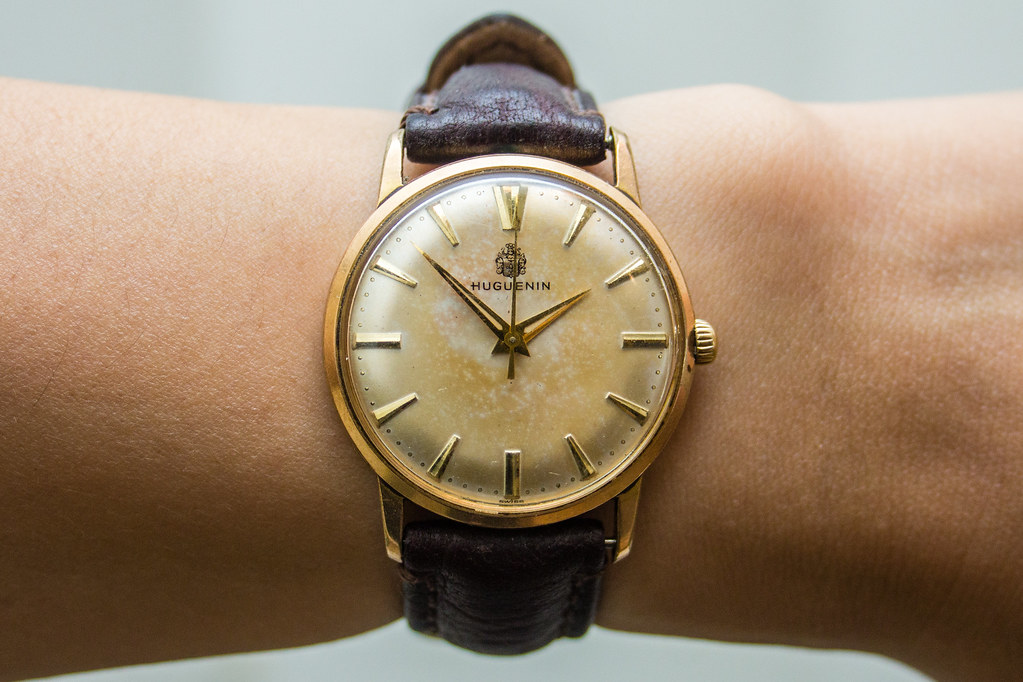
Mechanical Wristwatches
Wind-up and automatic watches used to be treated as broken electronics if they weren’t running, often priced at a dollar or tossed in with costume jewelry. Vintage watch auction data shows renewed collector interest in mechanical movements, and the growing awareness that a non-running mechanical watch can often be serviced rather than replaced has made these watches a specific target for pickers, thinning out what used to be an overlooked bin of old timepieces.
Complete Nintendo Cartridges
Boxes of old video game cartridges used to sit in thrift store electronics sections priced at a dollar apiece, largely ignored by shoppers focused on newer technology. Dedicated video game pricing resources show substantial collector demand for early console games, particularly complete-in-box examples, and that demand has made thrift stores a far less reliable source for these cartridges than they were before resellers began specifically targeting electronics sections.
Vintage Metal Lunchboxes
Steel lunchboxes with painted character graphics used to be sold for pocket change in the housewares or toy sections of thrift stores. Collector price guides for vintage lunchboxes show a devoted following for these pieces, and because so many were damaged or discarded once plastic lunchboxes took over in the 1980s, the surviving supply was already limited before collectors started specifically searching thrift stores for them, making a genuine find considerably rarer today.

Leave a Reply