

Decorating trends have a way of getting mocked hardest right before they quietly sneak back in. The same shag carpet that got ripped out of basements in a hurry during the nineties is now showing up, deliberately, in design magazines and boutique hotel lobbies. Wallpaper that once signaled “outdated” now signals “intentional” the moment it’s paired with the right lighting and a confident hand. Taste is cyclical in ways that would have shocked the people frantically painting over wood paneling a generation ago.
Here are nine looks that were once treated as permanent design mistakes, and the reasons they’re finding their way back into homes that clearly know exactly what they’re doing.
Patterned Wallpaper
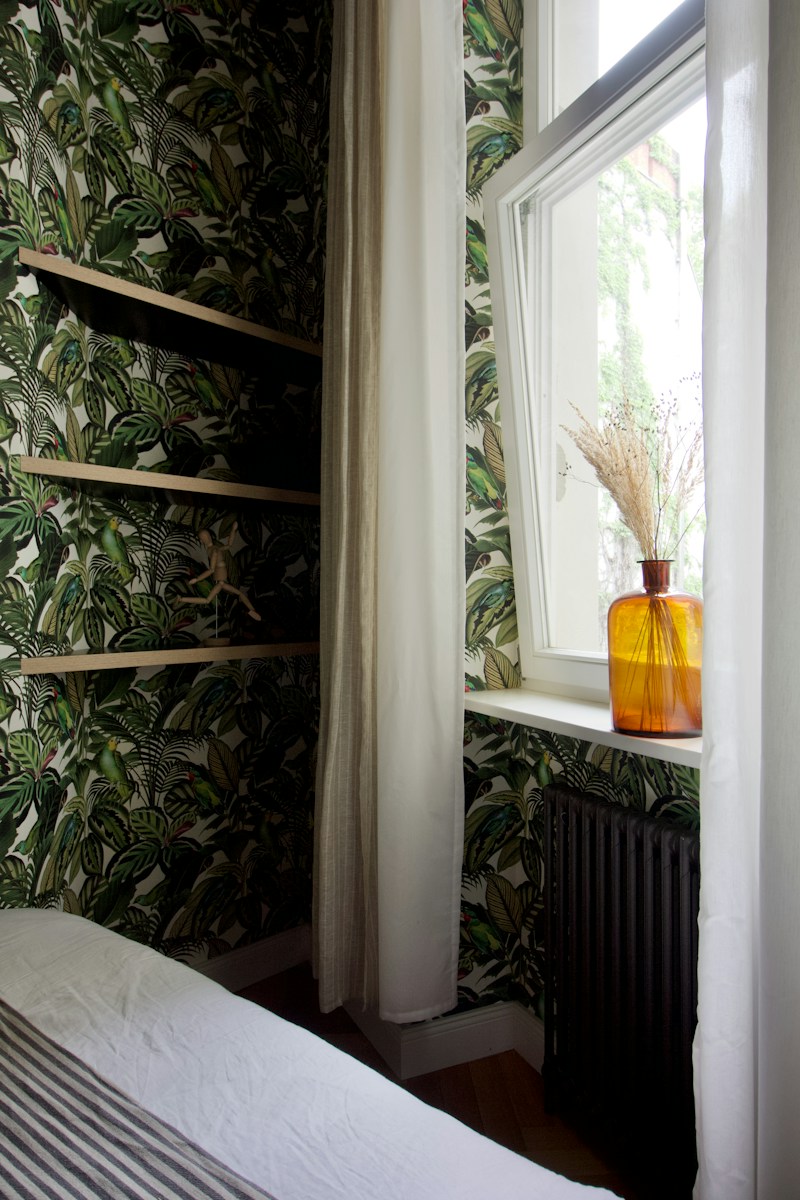
For a solid couple of decades, wallpaper was treated as the single biggest liability a home could have, something to be steamed off and painted over as quickly as a new owner could manage it. Large florals, bold geometrics, and busy trellis patterns that once covered entire rooms felt claustrophobic and dated to a generation raised on the all-white, all-neutral aesthetic of the 2000s and 2010s. But wallpaper has crept back with real confidence, especially in powder rooms, bedroom accent walls, and ceilings, where a bold pattern reads as a deliberate design statement rather than a leftover from a previous decade. Vintage wallpaper rolls, particularly unopened ones from mid-century manufacturers, have become genuine collector items among design enthusiasts trying to recreate an authentic period look rather than a modern reproduction of one.
Shag Carpet
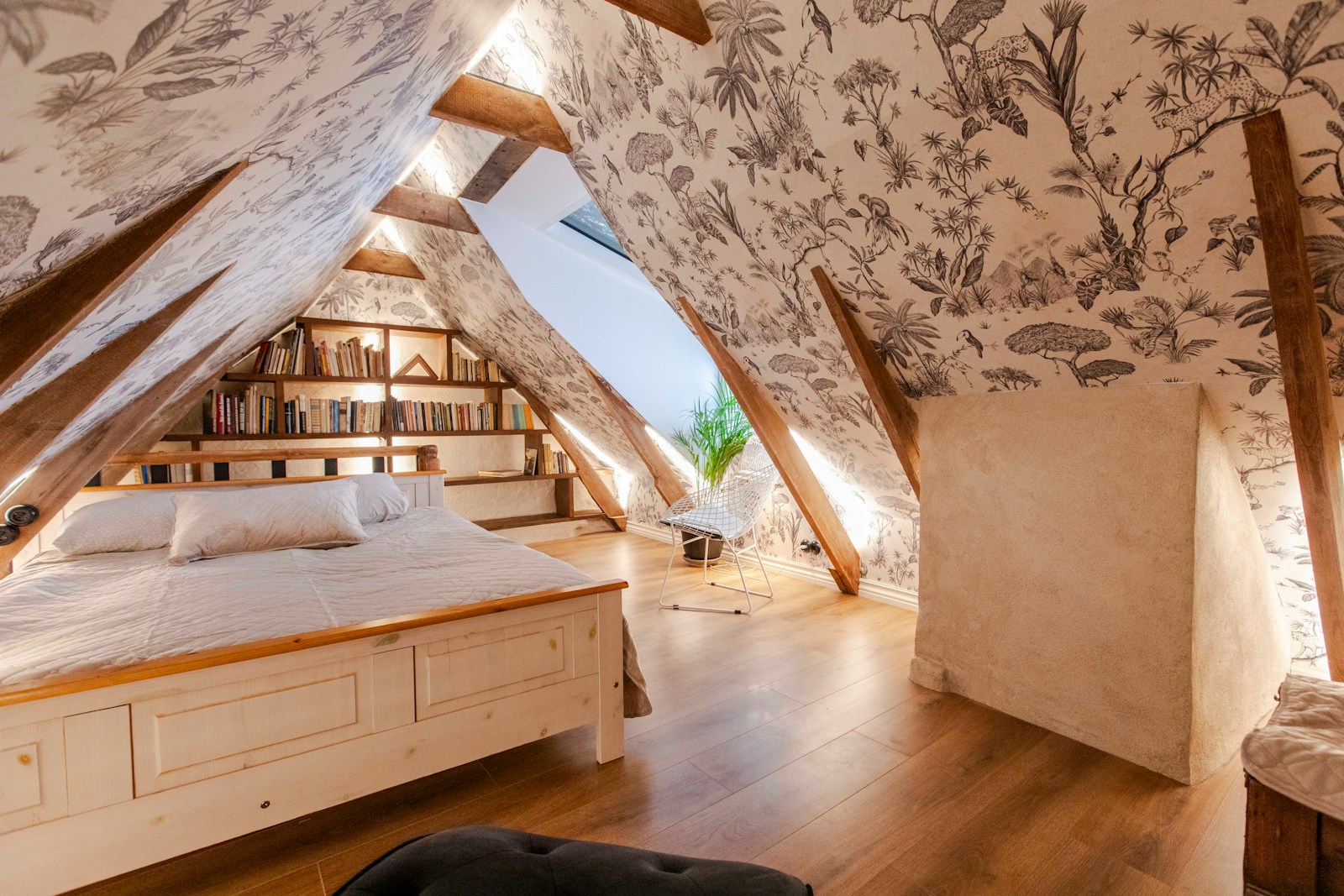
Wall-to-wall shag carpet in avocado green or burnt orange became such an emblem of outdated design that ripping it out was practically a rite of passage for anyone buying an older home. Its reputation as a dust trap and a decorating dead end seemed permanent for years. Yet shag has returned in the form of plush area rugs with the same deep pile and tactile appeal, now marketed as cozy and textural rather than clinging to any specific decade. The difference is scale and placement: a shag rug anchoring a seating area reads as intentional in a way that carpeting an entire room in the same material never quite could. Designers who once considered shag an automatic red flag now treat a well-placed vintage-inspired rug as one of the easiest ways to add warmth to an otherwise minimalist room.
Wood Paneling
Dark wood paneling, once a fixture of dens and basements across the country, became such a universal symbol of a dated home that entire home renovation shows built segments around ripping it out and painting the walls a crisp white instead. It photographed poorly, made rooms feel smaller, and became synonymous with a specific kind of unrenovated 1970s rec room. Now, paneling is making a comeback in a lighter, more deliberate form, whether as board-and-batten detailing, shiplap, or genuine reclaimed wood paneling chosen specifically for its warmth and texture. The key shift is intention: today’s paneling gets selected and installed as a design feature, often lightened or whitewashed, rather than inherited as a builder-grade default that a homeowner never chose in the first place.
Macrame Wall Hangings
Knotted cotton cord wall hangings and plant holders were so thoroughly associated with 1970s bohemian decorating that they became something of a punchline for decades, boxed up and donated alongside beaded curtains and lava lamps. The associations with shag rugs and hanging spider plants made macrame feel like a package deal with a very specific, very dated aesthetic. But the craft has returned with a more refined, neutral-toned execution, often in natural undyed cotton rather than the bright colors of the original era, fitting comfortably into boho-modern and coastal design schemes alike. Handmade vintage macrame pieces, particularly larger statement hangings from skilled makers of the era, have become sought-after finds at estate sales specifically because the knotting techniques used then aren’t always easy to replicate today.
Brass Fixtures
Polished brass doorknobs, faucets, and light fixtures dominated homes through the 1980s before falling out of favor almost entirely in favor of brushed nickel and chrome, which felt cooler and more contemporary by comparison. For years, brass was treated as an instant giveaway of an unrenovated kitchen or bathroom, something to be swapped out during even a modest remodel. It has since returned in a more matte, aged form, often labeled “unlacquered” or “antique” brass specifically to distinguish it from the shinier, more reflective brass of decades past. The appeal now lies in the way unlacquered brass develops a natural patina over time, aging into something that looks intentionally worn rather than simply old, which is precisely the opposite of how the original polished version aged.
Chintz Florals
Busy floral chintz fabric, draped over sofas, curtains, and armchairs alike, became such a dominant look in certain decades that its eventual backlash was swift and thorough, dismissed for years as fussy, grandmotherly, and hopelessly overdone. Entire rooms upholstered in matching floral fabric felt suffocating to a generation that grew up craving clean lines and solid colors instead. Chintz has crept back, particularly in the more maximalist corners of interior design, though usually in smaller doses, a single upholstered chair or a set of curtains rather than an entire room swathed in matching fabric. The renewed appreciation leans on the same qualities that once got it mocked: the richness of the pattern and the sense of a room with genuine personality, rather than one styled entirely around restraint.
Terrazzo Flooring
Terrazzo, the speckled composite flooring made from chips of marble or glass set in cement, was a mid-century staple in schools, offices, and plenty of postwar homes before it came to feel institutional and cold to homeowners chasing softer, warmer materials like carpet and hardwood. Ripping out terrazzo in favor of something considered more residential and less like a hospital hallway was common practice for decades. Now it’s back, not just as flooring but reproduced at a smaller scale on countertops, backsplashes, and even furniture, prized for exactly the flecked, playful pattern that once made it feel too commercial for a home. Original mid-century terrazzo floors, when preserved rather than covered over, have become a genuine selling point for homes from that era rather than a feature to apologize for.
Rattan and Wicker Furniture
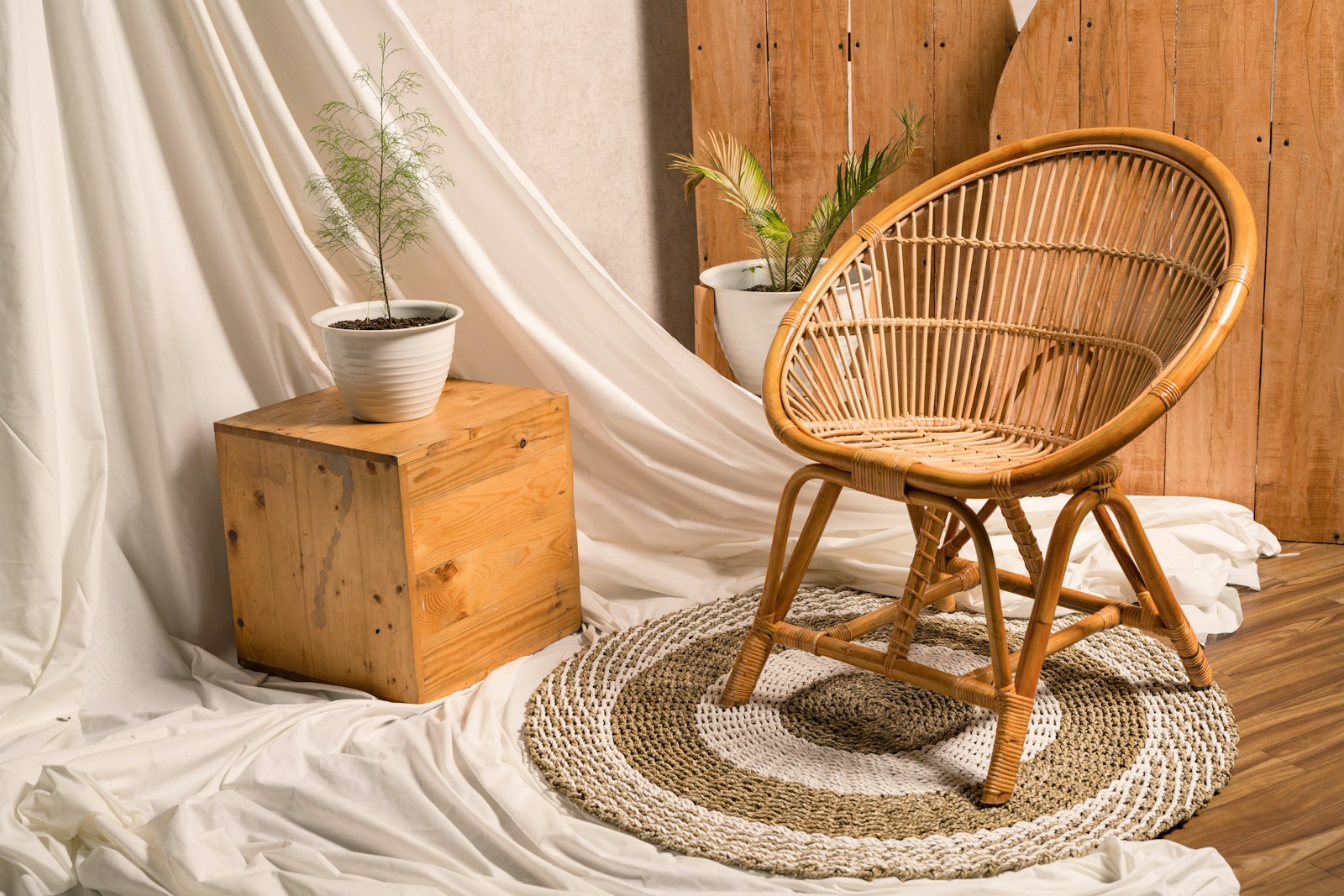
Rattan chairs, headboards, and the iconic peacock chair were fixtures of sunrooms and porches for much of the twentieth century before falling firmly out of fashion, associated with dated Florida rooms and thrift-store bargain bins nobody wanted to browse. For years, wicker furniture signaled either a vacation home nobody had updated or a starter apartment furnished on the cheap. It has since returned as a favorite of boho and coastal grandmother design styles, valued now for its natural texture and the way it lightens up a room full of heavier furniture. Vintage rattan pieces from mid-century designers, especially anything with a documented maker, now draw serious attention from collectors who recognize craftsmanship that mass-produced modern wicker simply doesn’t match.
Color-Drenched Rooms
Painting walls, trim, ceiling, and sometimes even furniture in a single saturated color was common in earlier design eras, creating an enveloping, cocoon-like effect that later fell out of favor entirely in favor of crisp white walls and a single accent color used sparingly. For a long stretch, an all-white or all-neutral home was considered the safest and most universally appealing choice, and monochromatic color-drenching felt like a relic of a less design-savvy era. Color-drenching has returned as a genuinely fashionable technique, now used deliberately to make small rooms feel cohesive and larger rooms feel intimate, often in moody, sophisticated shades rather than the brighter tones of the original trend. The renewed interest treats it as a confident design choice rather than the byproduct of simply painting a room with whatever single can of paint was on hand.

Leave a Reply