


“They don’t make it like they used to” gets thrown around so often it can sound like pure nostalgia talking. But for a surprising number of everyday goods, it’s simply true. Manufacturers used to build appliances, tools, and furniture with the assumption that a customer would own the item for decades, servicing it along the way rather than replacing it every few years. Heavier materials, simpler mechanisms, and a genuine expectation of longevity shaped how things were made, long before cost-cutting and planned product cycles became the industry norm.
None of this means everything from the past was superior — plenty of old products were clunky, inefficient, or downright dangerous. But when it comes to raw durability, certain categories of goods genuinely earned their reputation for outlasting their modern replacements by decades. Here are eleven things that really were built to last.
Refrigerators
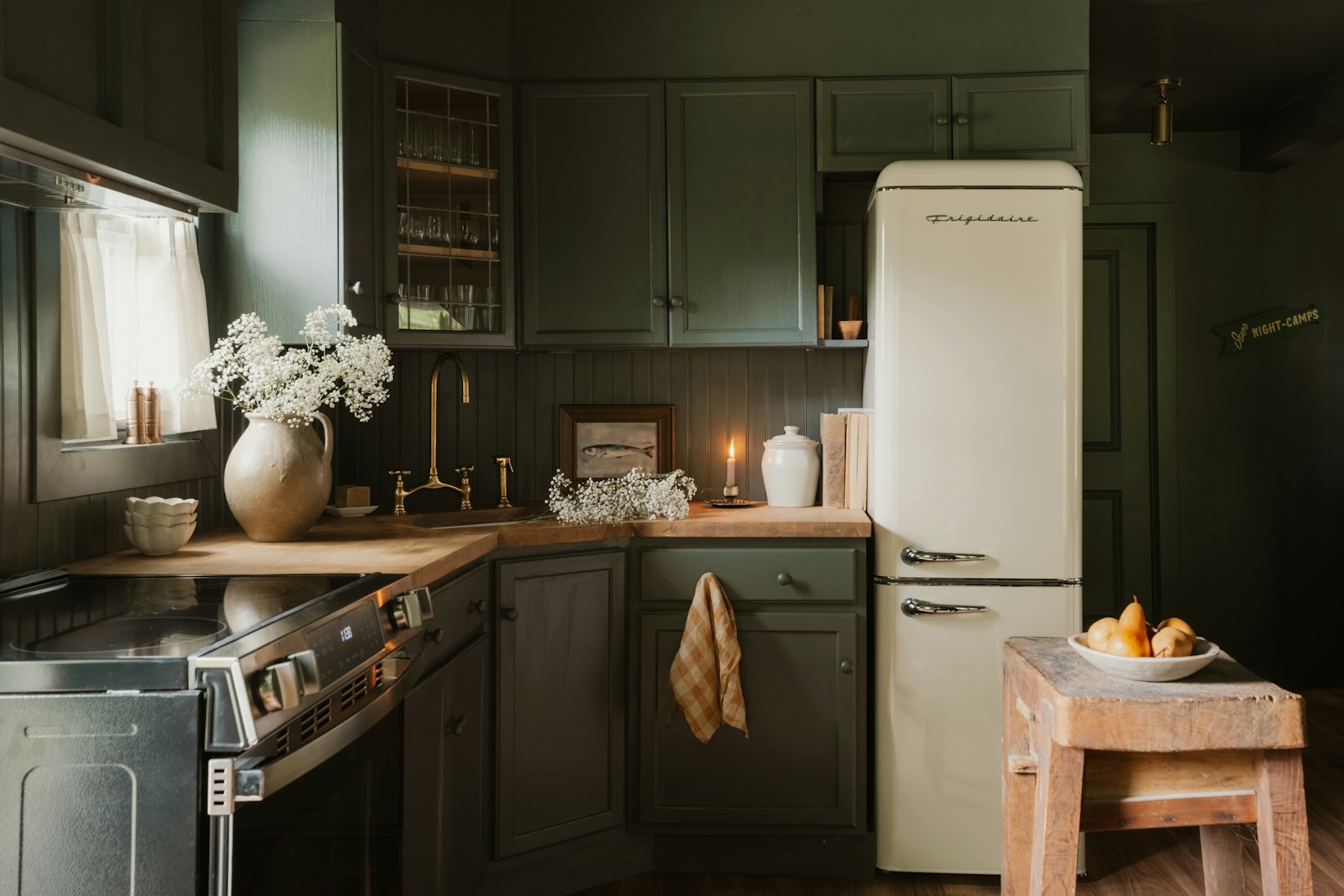
Older refrigerators, especially those built from the 1950s through the 1970s, were famous for running for thirty, forty, even fifty years with minimal repairs beyond an occasional new gasket or compressor part. Their compressors were simpler and often over-built compared to today’s models, which pack in more electronics, more moving parts, and more potential failure points in pursuit of energy efficiency and smart features. It wasn’t unusual for a refrigerator bought as a wedding gift to still be humming along in a garage or basement decades later, repurposed as a backup fridge for sodas and overflow groceries. Repair technicians of that era could fix nearly any issue with basic tools and widely available parts. Modern refrigerators, while far more energy-efficient, are typically expected to last only ten to fifteen years before a major component fails.
Kitchen Stand Mixers
Classic stand mixers from decades past were built almost entirely from metal gears and heavy-duty motors designed to knead thick bread dough for years without slipping or overheating. Many of these mixers are still fully operational today, sixty or seventy years after being manufactured, passed down from mothers to daughters as genuine working kitchen tools rather than decorative antiques. Their simple mechanical design meant a worn gear or a frayed cord could usually be repaired rather than requiring a whole new appliance. Modern versions, while often stylish and multifunctional, increasingly rely on plastic internal components that wear out faster under the same heavy use. A vintage stand mixer in good condition is still considered a genuine workhorse by serious home bakers, valued specifically because of how well it has held up.
Rotary and Corded Telephones
The heavy plastic or bakelite telephones that sat on kitchen counters for decades were built to survive being dropped, yanked by their cords, and used constantly for years without failing. Their internal mechanisms were straightforward enough that a broken component could often be swapped out rather than requiring an entirely new phone. Many families used the exact same telephone for fifteen or twenty years, occasionally replacing just the cord as it frayed from wear. These phones had no batteries to degrade, no screens to crack, and no software to become outdated, which meant their only real vulnerability was physical damage. Some collectors still use working rotary phones from the 1960s today, decades after their manufacture, connected to modern lines with a simple adapter.
Work Boots
Leather work boots built decades ago used thicker hides, sturdier stitching, and full leather soles designed for years of hard labor rather than a single season of wear. A good pair could be resoled multiple times at a cobbler, effectively extending its life indefinitely as long as the upper leather held up. Workers often owned a single pair of boots for a decade or more, breaking them in once and maintaining them with regular conditioning rather than replacing them regularly. The leather itself was chosen specifically for its ability to withstand abrasion, moisture, and repeated flexing without cracking. Many vintage work boots that surface at estate sales today are still structurally sound after fifty or sixty years, a durability standard that budget work boots rarely match now.
Hand Tools
Wrenches, hammers, and screwdrivers manufactured decades ago were typically forged from solid steel, designed to survive a lifetime of use on job sites and in home garages without bending, cracking, or stripping. Many carpenters and mechanics still use hand tools inherited from a father or grandfather, tools that have outlasted several generations of cheaper modern equivalents. These older tools rarely needed replacing at all — a rusted surface could be cleaned up with steel wool, and a loose handle could be re-fitted rather than tossed. Manufacturers competed largely on durability and reputation rather than price alone, which pushed quality upward across the whole category. A well-made vintage hand tool found at a flea market today often outperforms a brand-new budget version bought at a big-box store.
Hard-Sided Luggage
Vintage hard-sided suitcases, often built from heavy-gauge aluminum or reinforced fiberglass, were designed to survive being tossed around by baggage handlers for decades without cracking or losing their shape. Their metal latches and sturdy hinges rarely failed, and any that did could usually be repaired rather than requiring a whole new suitcase. Families often owned the same set of matching luggage for an entire lifetime of travel, passing individual pieces down once they stopped needing them. The materials were heavier than what’s used in most luggage today, which meant more durability at the cost of extra weight to carry. Vintage hard-sided cases have become genuinely sought-after among collectors specifically because so many of them are still structurally sound many decades after they were made.
Kitchen Knives
Older kitchen knives, particularly those made from high-carbon steel, were manufactured with full tangs and solid construction meant to survive decades of daily chopping, slicing, and sharpening. Rather than replacing a dull knife, cooks simply sharpened it on a whetstone as part of routine kitchen maintenance, a habit that could keep a single blade useful for a lifetime. These knives did require more upkeep to prevent rust than modern stainless versions, but their edge-holding quality and overall sturdiness were often superior. A well-maintained carbon steel knife from decades ago can still outperform many inexpensive modern knives in both sharpness and longevity. Some professional chefs specifically seek out vintage knives at estate sales, valuing their proven durability over anything mass-produced today.
Wooden Furniture Joinery
Furniture built decades ago commonly used dovetail joints, mortise-and-tenon construction, and real wood glue rather than the staples, particleboard, and cam locks common in furniture assembled today. This kind of joinery distributed weight and stress across the whole piece, which is why so many antique dressers and tables are still sturdy enough for daily use generations later. A loose joint could typically be re-glued and clamped rather than signaling the end of the piece’s usable life. Craftsmen took the time to select solid wood specifically for its strength and grain, rather than the cheaper engineered wood products that dominate the furniture market now. Furniture built this way regularly survives multiple household moves and multiple generations of owners without falling apart.
Vinyl Record Players
Turntables built decades ago used sturdy metal platters, simple belt-drive or direct-drive motors, and mechanical parts designed to spin consistently for years of regular use. Many of these units required only occasional maintenance, like replacing a worn belt or cleaning the stylus, to keep functioning at a high level. Their straightforward electronics meant a malfunctioning component could usually be diagnosed and repaired by a competent technician rather than triggering a full replacement. Enthusiasts today actively seek out vintage turntables specifically because their build quality often exceeds much of what’s sold new at a comparable price point. Some collectors still spin records on the exact same turntable their parents bought new in the 1970s, more than fifty years ago.
Bicycles
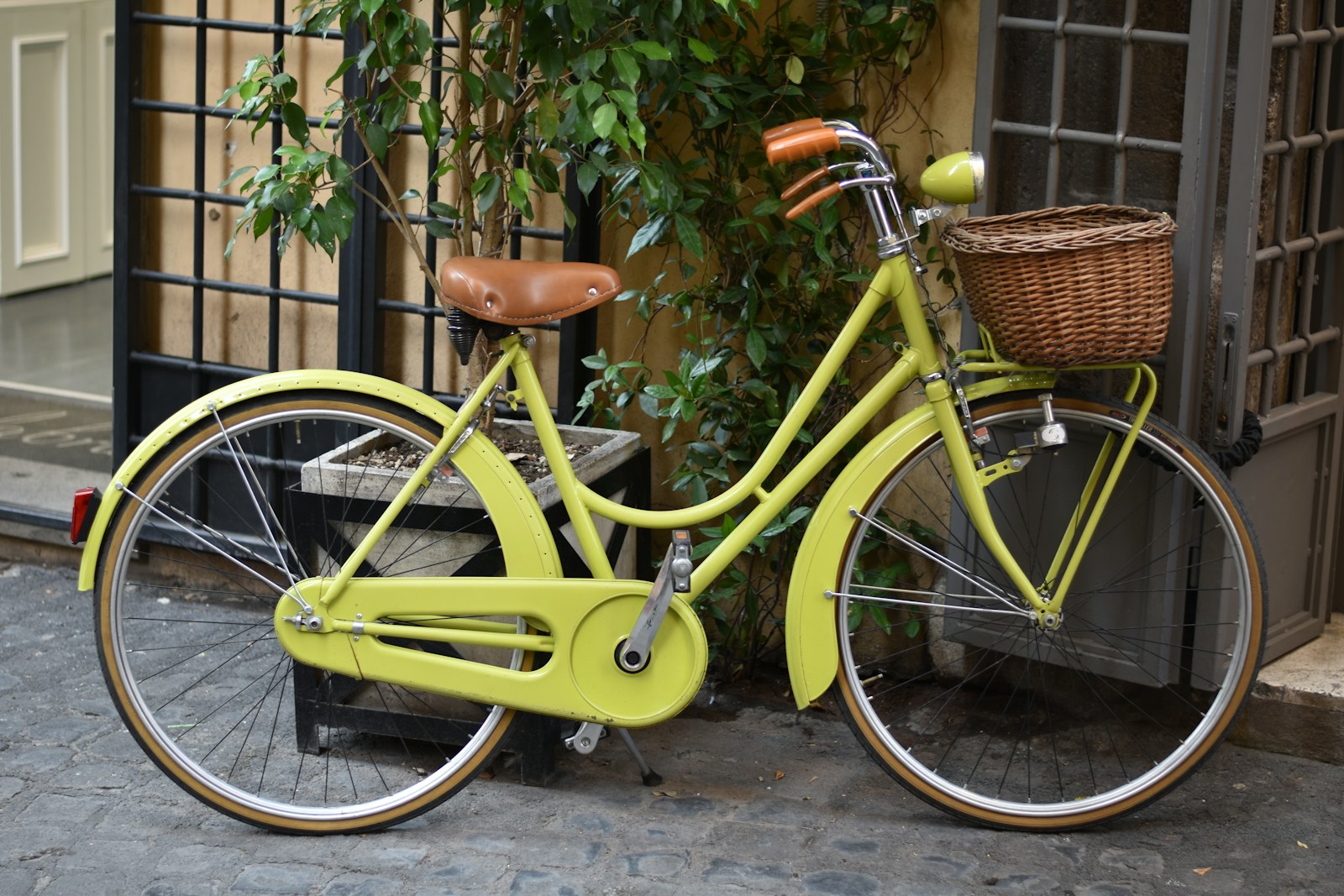
Older bicycles were typically built with heavier steel frames, simple gearing systems, and components designed to be adjusted and repaired rather than replaced as disposable parts. A steel frame could absorb years of hard riding, weather exposure, and minor collisions without cracking the way lighter, more brittle modern frame materials sometimes can. Local bike shops routinely repaired and re-tuned older bicycles for decades, replacing individual worn parts like chains, brake pads, or cables as needed rather than the whole bike. Kids often inherited a sibling’s or parent’s old bicycle and rode it for years with only minor adjustments. Many of these vintage steel-framed bikes are still ridden regularly today, well past the fifty-year mark, valued by enthusiasts for their surprising resilience.
Cast Aluminum and Steel Cookware
Beyond the well-known cast iron skillet, older cookware made from heavy cast aluminum or thick-gauge steel was built to handle decades of stovetop use without warping or losing its shape. These pots and pans distributed heat evenly and could withstand high temperatures repeatedly without the coatings and nonstick surfaces that tend to degrade on modern cookware after just a few years. A dented pot could often be hammered back into shape rather than discarded, extending its usable life significantly. Families frequently used the same set of cookware for their entire married life, occasionally adding a piece rather than replacing the whole set. Vintage cookware from this era regularly turns up at estate sales still fully functional, decades after it was originally purchased.

Leave a Reply