

There used to be an entire local economy built around fixing things instead of replacing them. Every town had a shoe repair shop, a small appliance repairman, a TV technician who made house calls, and a tailor who could bring a torn jacket back from the brink. Throwing something away because it broke felt almost wasteful, even a little embarrassing, when a repair was usually cheaper and often just a matter of finding the right person with the right tools.
Today, that whole ecosystem has mostly vanished, replaced by a culture where buying new is often easier and sometimes even cheaper than fixing what you already own. Sealed electronics, glued-together components, and parts that simply aren’t sold separately anymore have made repair a lost art for a lot of everyday items. Here are eight things people once routinely fixed that now go straight into the trash.
Toasters and Small Kitchen Appliances
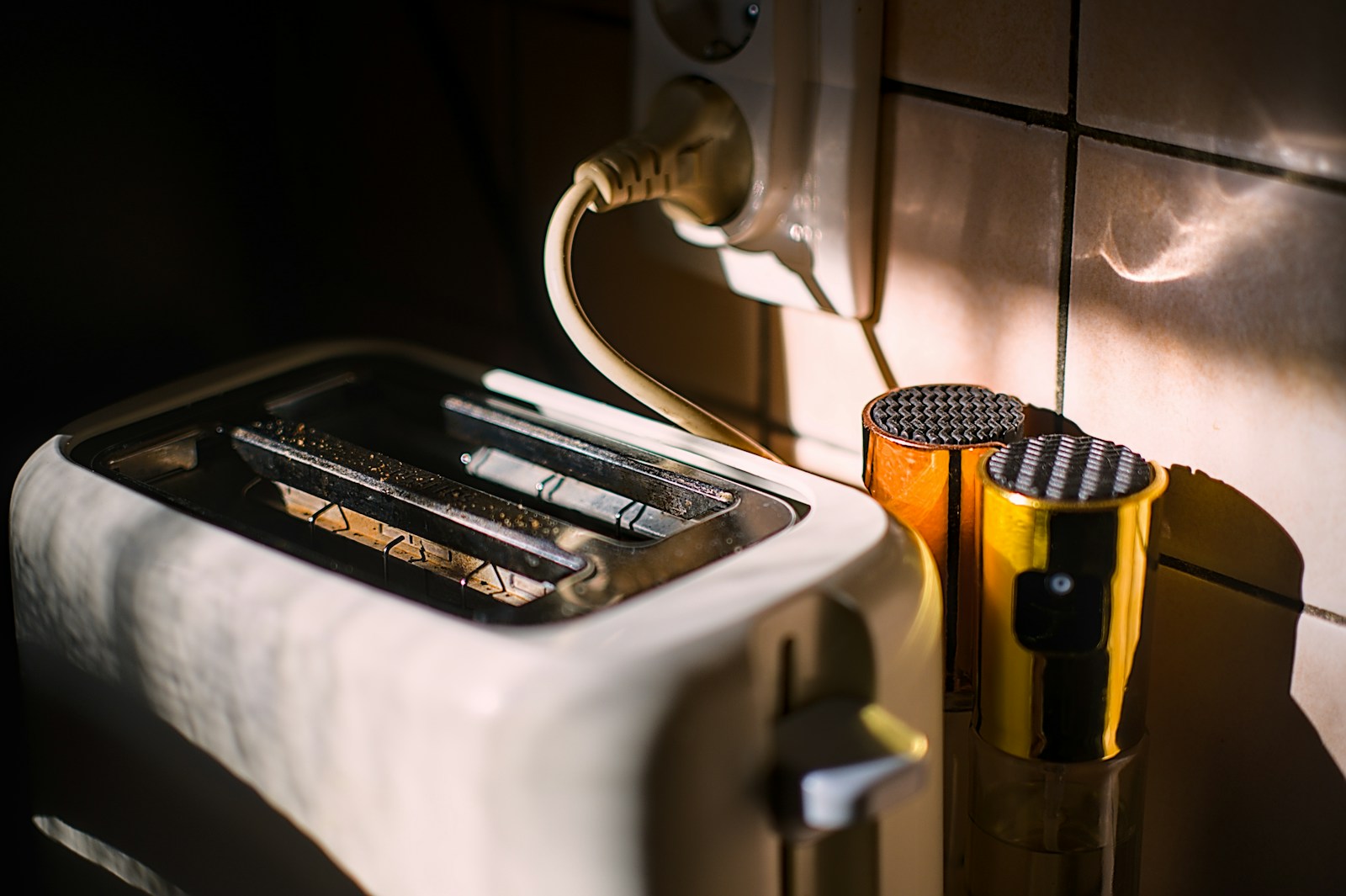
When a toaster stopped popping up properly or a mixer’s motor started grinding, the first instinct wasn’t to toss it — it was to pop off the bottom panel and see what was going on inside. Small appliance repair shops existed specifically for this purpose, staffed by people who understood simple heating elements, motors, and switches well enough to fix them for a few dollars. Replacement parts like heating coils, cords, and thermostats were sold individually at hardware stores for exactly this reason. A broken appliance represented a real investment worth protecting, not a disposable convenience. Today, most small appliances are built with sealed housings and proprietary parts that make repair either impossible or more expensive than simply buying a new one, so a malfunctioning toaster now almost always ends up in a landfill instead of a repair shop.
Shoes, at the Cobbler
Worn-out heels, split soles, and scuffed leather used to send people straight to a neighborhood cobbler rather than the shoe store. A skilled cobbler could resole a pair of dress shoes or boots multiple times over their lifespan, stretch a tight spot, replace a broken zipper, or stitch a torn seam back together so seamlessly you’d never notice. Good leather shoes were expensive enough that keeping them repaired made obvious financial sense, and a well-maintained pair could last a decade or longer. Kids’ school shoes were routinely resoled rather than replaced the moment they showed wear. Cobbler shops have become increasingly rare as cheaper, mass-produced footwear made replacement more common than repair, and many people today don’t even know a local shoe repair shop still exists in their area.
Televisions, With an At-Home Service Call
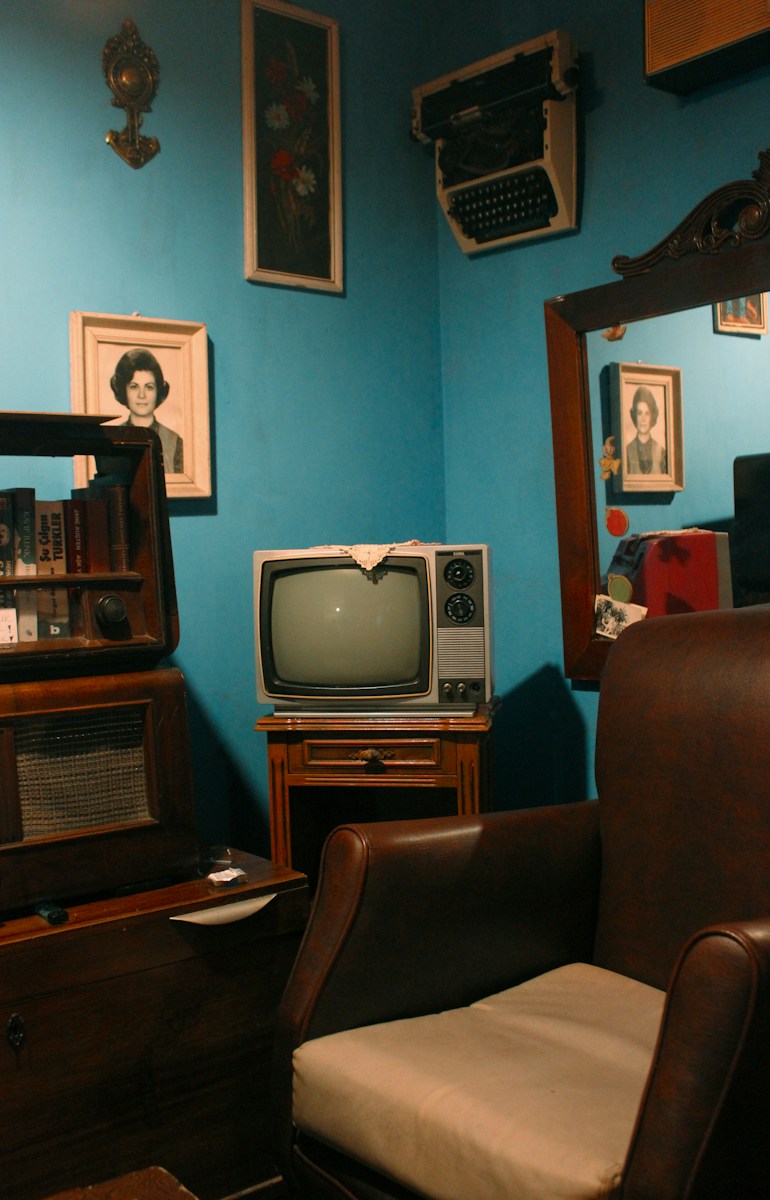
When the picture tube flickered or the sound cut out, you called a television repairman, who would come to your house carrying a toolbox full of vacuum tubes, capacitors, and testing equipment. Diagnosing and fixing an old console TV was a genuine, respected trade, and repairmen often carried spare tubes in their truck for the most common failures. A television represented a significant purchase for most families, often bought on a payment plan, which made repairing it far more appealing than replacing the whole cabinet-sized unit. Some repairmen became known figures in their neighborhoods, trusted the same way people trusted a family doctor. Modern flat-screen televisions, built with sealed circuit boards and no serviceable parts, have made this entire profession functionally extinct — a cracked screen or dead board today almost always means buying a replacement.
Vacuum Cleaners
A vacuum cleaner losing suction or making a strange noise used to mean a trip to a dedicated vacuum repair shop, not the curb. These shops kept shelves stocked with replacement belts, motors, bags, and hoses for dozens of makes and models, and a technician could usually diagnose the issue in minutes. Upright vacuums from decades ago were built with metal housings and accessible internal parts specifically designed to be serviced rather than discarded. Families often owned just one vacuum for fifteen or twenty years, repairing it as needed rather than budgeting for a replacement every few years. Many vacuum repair shops have since closed as manufacturers shifted to lighter, cheaper, largely disposable models where a broken motor often costs more to fix than the machine is worth new.
Clothing, Mended by Hand
A torn seam, a missing button, or a hole worn through at the elbow used to be handled with a needle and thread at the kitchen table, not a trip to buy a replacement shirt. Darning socks — weaving new thread across a worn heel or toe — was a routine household skill taught to children as a matter of course. Patches were sewn over knees on jeans that had years of life left in them otherwise, and a jacket’s lining could be replaced rather than the whole coat. Sewing kits were standard items in every home, stocked with an assortment of thread colors and spare buttons saved from old garments. Cheap, mass-produced clothing has made mending largely unnecessary for many people today, since a new replacement often costs about the same as, or less than, the time it would take to fix the old one.
Radios
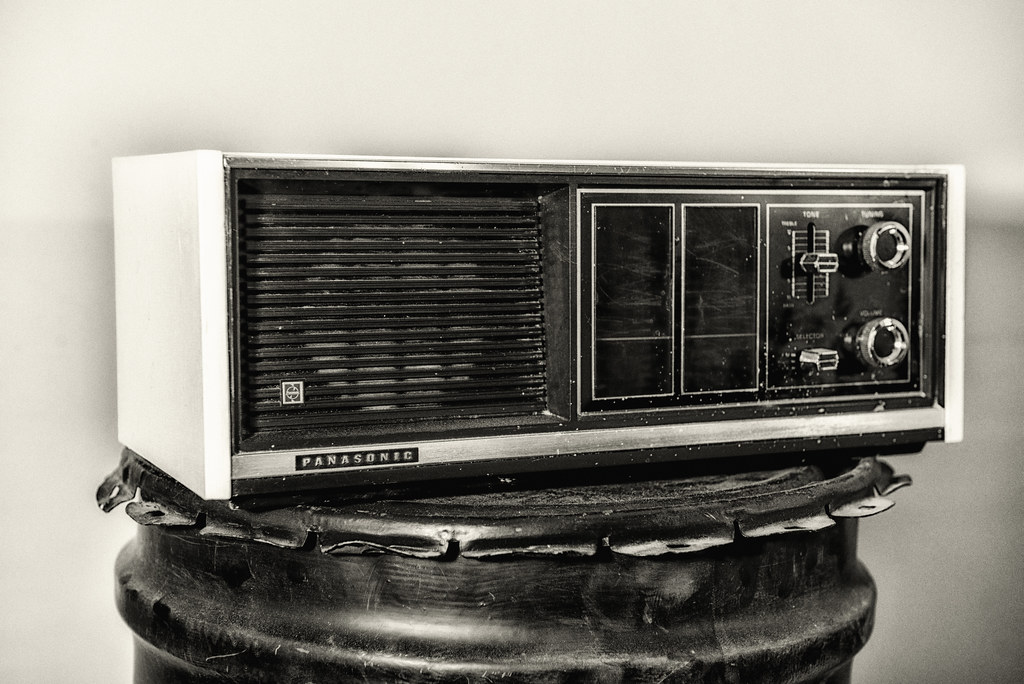
A radio that went silent or started crackling was something you brought to an electronics repair shop, where a technician could replace a burnt-out tube or a faulty capacitor and have it working again within days. Many households kept the same tabletop or console radio for twenty or thirty years, treating repairs as routine maintenance rather than a sign it was time to upgrade. Ham radio enthusiasts and hobbyists often learned enough electronics knowledge to fix simpler issues themselves, using diagrams and replacement parts ordered through mail-order catalogs. A radio represented both practical value and often genuine sentimental attachment, especially if it had been a wedding gift or a family heirloom. Modern radios, largely absorbed into disposable electronics like phones and cheap speakers, rarely get this same treatment when something goes wrong internally.
Umbrellas
A bent rib or a torn panel on an umbrella used to be something you fixed rather than something that sent the whole umbrella to the trash on the first windy day. Umbrella repair was a small but real trade in bigger cities, with shops or street vendors who could straighten metal ribs, re-cover torn canopies, and replace broken handles for a modest fee. A good, sturdy umbrella represented a real purchase worth protecting from the elements it was meant to fight. People carried the same umbrella for years, sometimes decades, patching and repairing it as needed rather than buying a new cheap one every rainy season. Mass-produced, inexpensive umbrellas have made repair largely pointless today, since a replacement often costs less than a repair would, turning what used to be a durable good into an essentially disposable one.
Watches and Clocks
A stopped watch or a clock that had started losing time reliably went to a watchmaker or jeweler, who could open the case, clean the tiny mechanical movement inside, and get it ticking accurately again. Mechanical watches and clocks were built with serviceable parts specifically because manufacturers expected them to need occasional maintenance over a lifetime of use. Many people wore the same wristwatch, often a gift from a significant milestone like a graduation or an anniversary, for decades, having it serviced every few years rather than replacing it. Grandfather clocks and mantel clocks were similarly maintained generation after generation, sometimes needing nothing more than a new mainspring or a cleaning. Inexpensive quartz watches and disposable battery-powered clocks have largely replaced this culture of repair, since replacing a cheap watch is now almost always simpler than having its internal battery or movement serviced.

Leave a Reply