

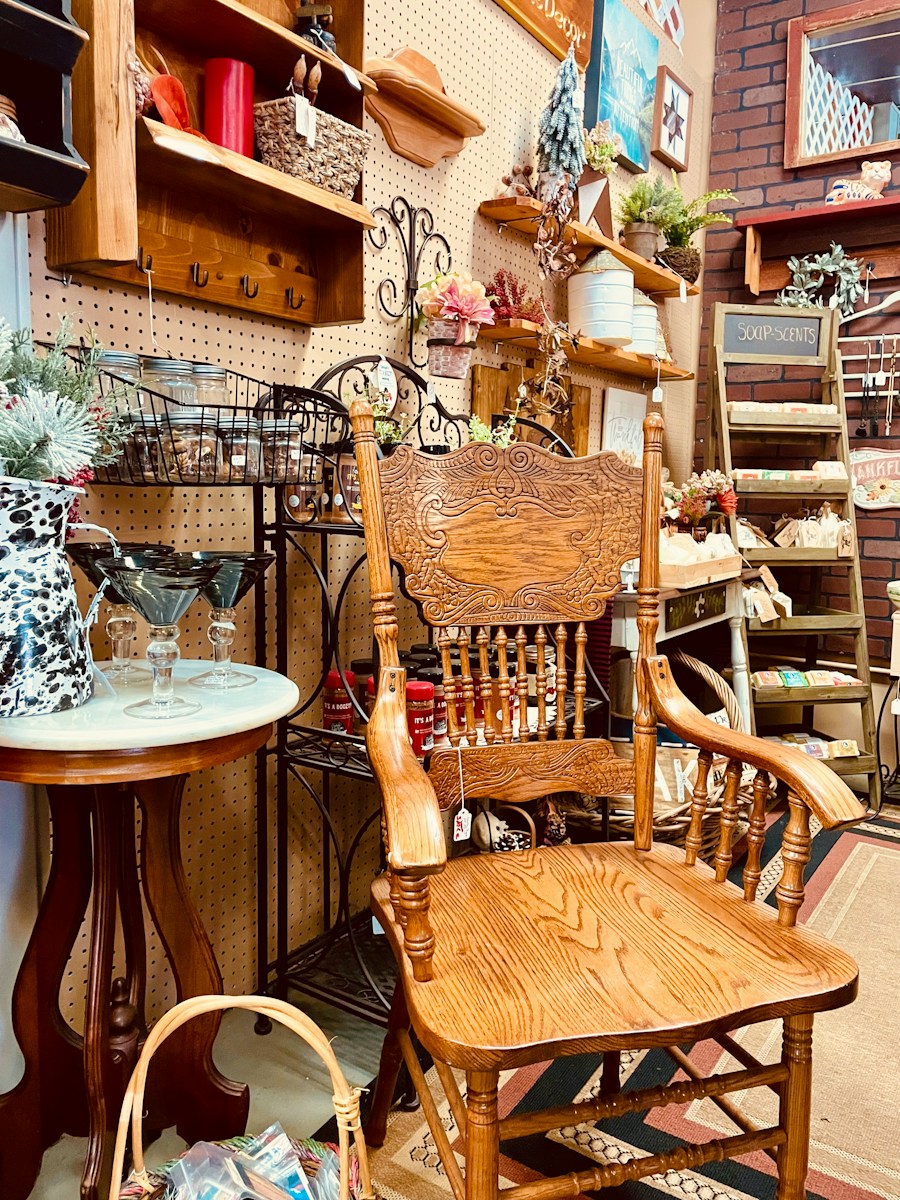
Estate sales reward patience and a willingness to look in places most shoppers skip entirely. The living room and dining room get picked over within the first hour, but the real treasures often sit untouched in the spaces everyone assumes are boring: the garage, the linen closet, the junk drawer nobody wants to dig through. Experienced estate sale regulars know this, which is exactly why they head straight for the overlooked rooms while the crowd fights over furniture.
Avoiding a few common mistakes can be the difference between leaving empty-handed and walking out with something genuinely special. Here are nine habits worth breaking the next time you walk through an estate sale’s front door.
Skipping the Garage and Workshop
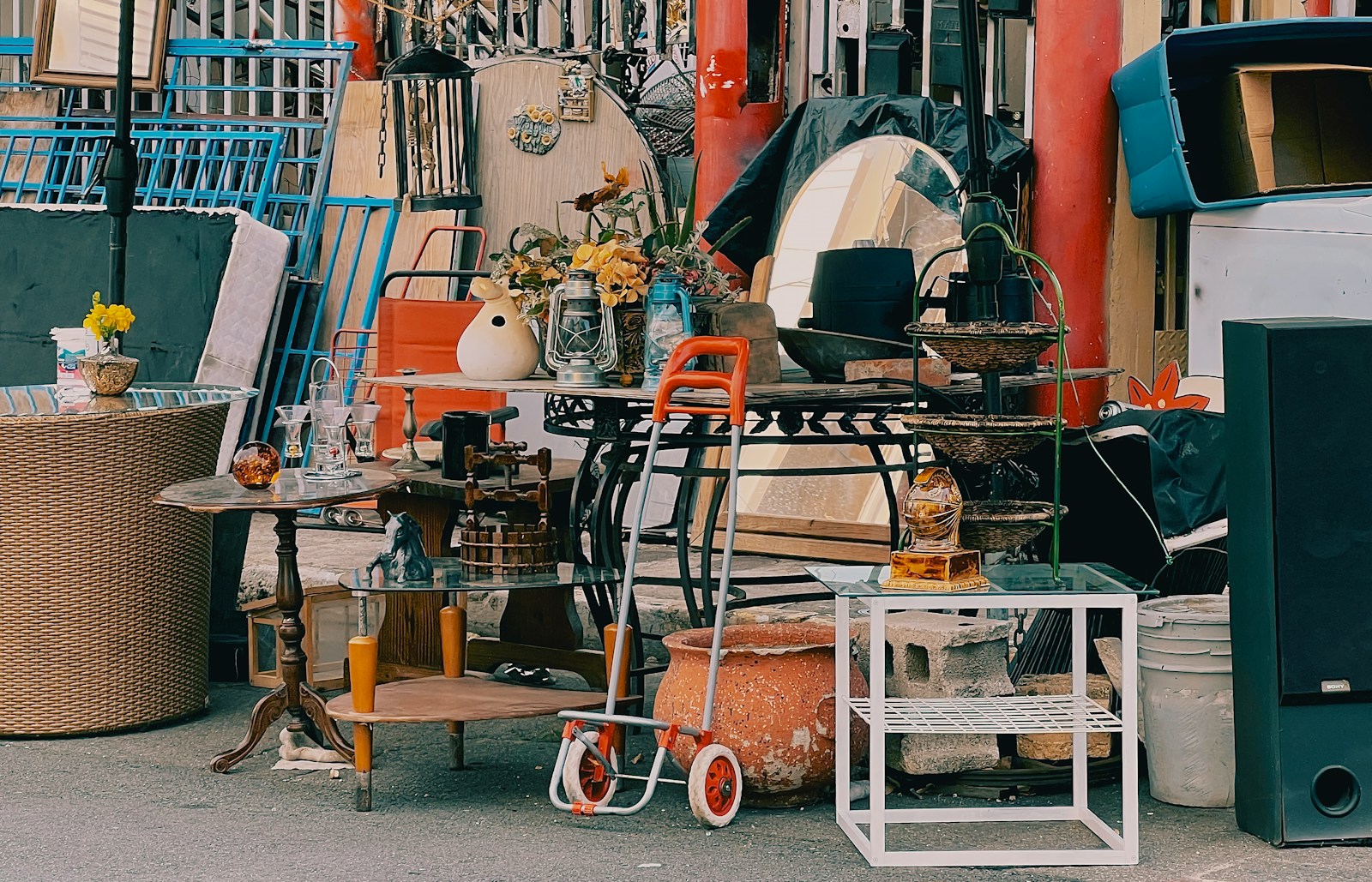
Many shoppers walk straight past the garage because it looks like nothing but grease-stained pegboard and rusty coffee cans full of screws. That’s precisely the mistake to avoid, because garages and workshops are where the tool collection lives, and vintage hand tools, especially branded sets from companies with a loyal collector following, are frequently priced by estate sale staff who have no idea what they’re looking at. Old hand planes, chisels, and wrenches with forged (not stamped) markings can be worth real money to woodworking enthusiasts and tool collectors who specifically hunt estate sales for this reason. Workbenches themselves, along with vises and specialty clamps, are often underpriced simply because nobody on staff knows how to evaluate them. Spending ten extra minutes in a garage that looks like clutter is one of the most reliable ways to find something worthwhile that everyone else walked past.
Ignoring the Linen Closet
A closet full of folded sheets and towels doesn’t look exciting, but it’s often where hand-embroidered pillowcases, monogrammed linens, and handmade quilts end up stored for decades. These textiles were frequently made by the homeowner or a relative and never used for everyday purposes, which means they can be in remarkably good condition compared to items that saw daily wear. Quilts in particular have an active collector market, and even a linen closet find that looks like plain bedding can turn out to be a hand-pieced pattern worth pulling apart for a closer look. Because textiles don’t photograph as dramatically as furniture, estate sale companies often bundle them together at low per-item prices, which makes the linen closet one of the most consistently underpriced areas in the entire house.
Passing on the Kitchen Junk Drawer
Every kitchen has one, and most shoppers assume it’s nothing but rubber bands, matchbooks, and dead batteries. In reality, junk drawers are a common resting place for small, easily overlooked collectibles: vintage bottle openers, advertising matchbook collections, pocketknives, and old keys that collectors specifically seek out. Because these items are small and unglamorous, estate sale staff rarely take the time to research or price them individually, often selling the entire drawer’s contents in a single bag for a few dollars. Taking two minutes to actually sort through what looks like debris rather than assuming it’s worthless can turn up small items that are disproportionately valuable relative to their size, especially advertising pieces tied to defunct local businesses or regional brands.
Skipping the Bathroom Cabinet
Bathrooms rarely draw a crowd at an estate sale, and most shoppers walk right through without opening a single cabinet. That’s a mistake, because vintage perfume bottles, atomizers, and vanity sets were often stored in bathrooms and left untouched for years, meaning they frequently survive in excellent condition compared to items used daily elsewhere in the house. Art glass perfume bottles and figural vanity pieces from the early to mid-twentieth century have a dedicated collector base, and because bathroom items are considered low-value by estate sale staff who prioritize furniture and jewelry, they’re often priced as an afterthought. A cabinet that looks like it holds nothing but old toiletries is worth a quick look before moving on.
Overlooking Bookshelves
Rows of hardcover books can look like a wall of clutter, and many shoppers skip straight past them assuming there’s nothing but old paperbacks and outdated encyclopedias. First editions, signed copies, and books with original dust jackets in good condition are frequently sold for a dollar or two because staff don’t have time to research every title on a crowded shelf. Beyond individual book value, older bookshelves sometimes hide pressed flowers, letters, or photographs tucked between pages, items with no monetary value but genuine historical interest. Running a finger along the spines and pulling anything that looks old or unusual takes only a few minutes and can turn up finds that the rest of the crowd never bothered to check.
Skipping the Craft Room or Sewing Corner
A room full of fabric scraps, thread spools, and half-finished projects looks like exactly the kind of space to walk past quickly, but sewing rooms are where vintage buttons, notions, and sometimes an antique sewing machine end up stored. Button collections in particular have a surprisingly devoted following, since certain materials like Bakelite or hand-carved mother-of-pearl are actively sought after by jewelry makers and collectors alike. Sewing machines themselves, especially cast-iron treadle models with ornate decals, are often sold for a fraction of what a collector would pay simply because the estate sale company treats them as bulky furniture rather than a specialty item. A few extra minutes spent digging through a craft room’s drawers is rarely wasted effort.
Ignoring the Home Office Desk
Estate sale shoppers tend to focus on furniture and decor, walking past a cluttered desk without opening a single drawer. That’s where fountain pens, letter openers, and vintage stationery sets tend to accumulate, and fountain pens from established manufacturers with gold nibs can be worth considerably more than their unassuming appearance suggests. Old address books, postcards, and correspondence tucked into desk drawers also hold appeal for ephemera collectors, even when the estate sale company has priced the entire drawer’s contents as a single low-cost lot. Desks deserve the same drawer-by-drawer attention that dressers and nightstands get, since they’re just as likely to hold something worth a second look.
Passing Over the Shed or Outdoor Storage
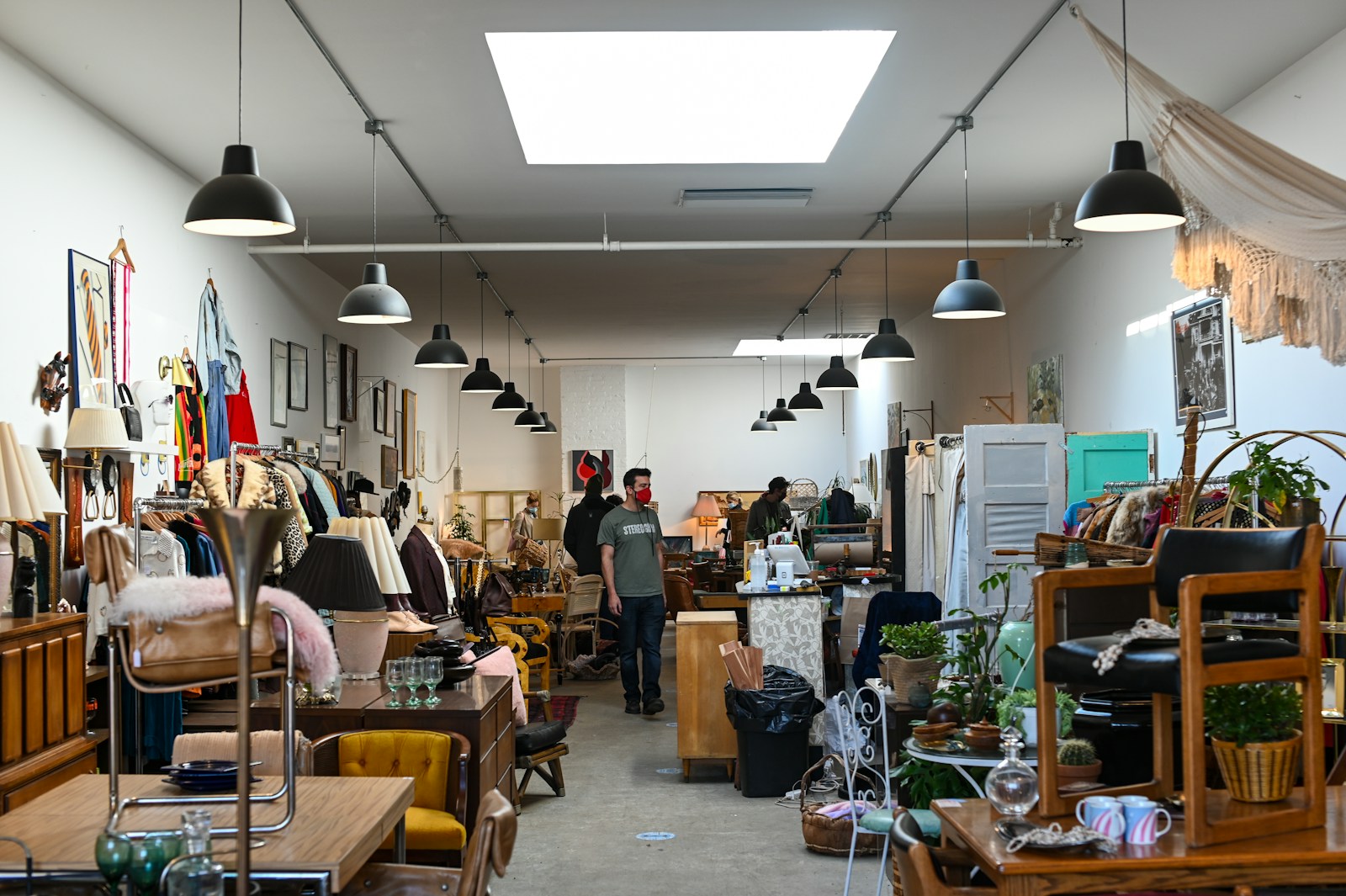
Garden sheds and outdoor storage areas get treated as an afterthought by most estate sale shoppers, who assume there’s nothing inside but broken rakes and empty flower pots. Vintage garden tools, cast concrete planters, and old wooden ladders can all draw interest from collectors and decorators who specifically look for weathered outdoor pieces with genuine age and patina. Because these items are exposed to the elements and look worn, they’re frequently priced far below what a buyer furnishing a garden or porch with authentic vintage pieces would be willing to pay. A shed that looks like it holds nothing but yard debris is worth at least a quick walk-through before the sale ends.
Rushing Through Without a Second Pass
The biggest mistake of all might simply be moving through an estate sale once and assuming you’ve seen everything worth seeing. Items get shuffled, tables get restocked from back rooms as the day goes on, and other shoppers occasionally set things down in the wrong spot after reconsidering a purchase. Experienced estate sale regulars often make a full loop through the house first without buying anything, then go back through a second time once they have a mental map of what’s where and can compare prices across rooms. That second pass, done deliberately and without the rush of a first walkthrough, is often when the best overlooked pieces finally get noticed.

Leave a Reply