

Every seasoned thrifter has a story about the item they almost didn’t pick up. It was scratched, a little dusty, maybe missing its box, and yet something about it made them pause. That instinct to look twice is exactly what separates a good thrift haul from a great one, and it’s usually the pieces that look most like “old junk” that turn out to be the biggest surprises.
The truth is that a lot of what gets tossed into the clearance bin or the free box was made in an era when things were built to last, decorated with patterns nobody makes anymore, and produced in short enough runs that survivors are genuinely scarce. Here are ten unassuming finds that can stop a shopper in their tracks the moment they spot them on a thrift store shelf.
Vintage Pyrex Patterned Mixing Bowls
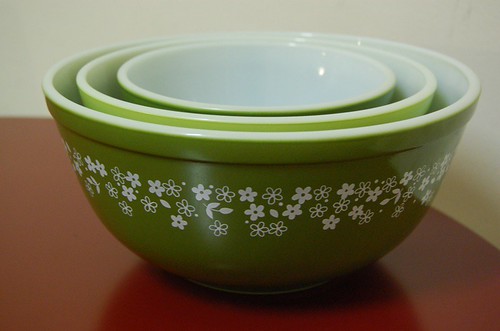
A nesting set of Pyrex bowls in a discontinued print like Butterprint, Snowflake, or Gooseberry is one of the most recognizable “jackpot” finds in modern thrifting, and it’s exactly the kind of thing that gets shoved to the back of a housewares shelf because it just looks like old kitchenware. Pyrex made these bowls by the millions from the 1950s through the 1970s, but certain colorways and short-lived promotional patterns were produced in far smaller batches, and collectors now hunt relentlessly for complete, chip-free sets. Depending on the pattern, color, and condition, sold listings show these bowls commonly changing hands from around $40 for common patterns up to several hundred dollars for rare colorways. A quick check of the bottom stamp and pattern name can turn a dollar-bin bowl into a genuine windfall.
Griswold Cast Iron Skillets
Cast iron is heavy, unglamorous, and often crusted with decades of seasoning, which is exactly why a Griswold skillet can sit in a thrift store’s kitchen aisle looking like nothing special. Griswold, based in Erie, Pennsylvania, made some of the most sought-after cookware in American history before closing in the 1950s, and its skillets are prized for even heat distribution and a smooth cooking surface that modern cast iron rarely matches. Collectors pay close attention to the logo style stamped on the bottom, since earlier “block letter” and “slant logo” pieces tend to command the highest prices. According to auction price records, common skillet sizes in decent condition often sell in the $50 to $150 range, while rare sizes and early logos can climb into the thousands. A little rust is not a dealbreaker; it usually means nobody else has recognized what they’re looking at yet.
Redline Selvedge Levi’s 501 Jeans
A pile of faded denim on a thrift store rack rarely gets a second glance, but a pair of vintage Levi’s 501s with a red selvedge line on the inseam is a different story entirely. These jeans, made on old shuttle looms before Levi’s moved to more efficient projectile looms in the 1980s, are identifiable by that telltale red thread along the outer seam and by details like a big “E” on the leather patch for pre-1971 pairs. Collectors and vintage clothing dealers actively comb thrift racks for exactly this kind of denim, because the selvedge construction and the fading patterns that develop from years of wear can’t be replicated. Auction records for vintage Levi’s show pairs regularly bringing several hundred dollars, with rare pre-war and “Big E” examples reaching into the thousands. Checking the inseam before walking past a denim rack has become second nature for experienced pickers.
Vintage Metal Character Lunchboxes
Dented, scratched, and missing a thermos, an old metal lunchbox can look like exactly the kind of thing that belongs in a donation pile rather than a display case. But lithographed steel lunchboxes featuring cartoon characters, superheroes, and television shows from the 1950s through the 1980s are among the most collected pieces of childhood ephemera around, largely because so many were dented and discarded once plastic versions took over. Condition matters enormously here, since dents and rust knock value down fast, but even well-loved examples of scarcer characters draw attention. Collector price guides place common vintage lunchboxes in the $20 to $75 range, while rare or first-edition character boxes in strong condition can sell for several hundred dollars or more. It’s worth flipping every metal lunchbox over to check for a maker’s mark before passing it by.
Depression Glass
Thin, colorful, and often chipped at the edges, Depression glass gets its name from the fact that it was given away free or sold for pennies during the 1920s and 1930s as an incentive to buy other goods. That humble origin means it’s frequently mistaken for cheap, mass-produced glassware and left sitting on thrift shelves without a second thought. In reality, patterns like Cameo, Princess, and Royal Lace in less common colors such as pink, green, or cobalt blue are actively sought by collectors filling out full table settings, and pieces in excellent condition with no chips can command real money at glassware shows and specialty auctions. The best finds are usually complete sets or serving pieces like pitchers and cake stands, since single mismatched glasses draw far less interest than a matched grouping does.
McCoy Pottery Cookie Jars
A ceramic cookie jar shaped like a pig, a clown, or a stack of pumpkins might look like a garage sale relic, but McCoy Pottery jars have a devoted following that treats these pieces as genuine folk art. Produced in Roseville, Ohio, from the 1940s through the 1980s, McCoy jars are known for their whimsical shapes and glossy glazes, and the company’s mark (or sometimes the lack of one, since not every piece was stamped) is something collectors learn to spot instantly. According to vintage pottery valuation guides, common McCoy cookie jars typically sell in the $30 to $100 range, while rare shapes and discontinued glazes can bring several hundred dollars from dedicated collectors. Hairline cracks and lid chips are common, so a jar in true excellent condition is worth grabbing without hesitation.
Vintage Complete Board Games
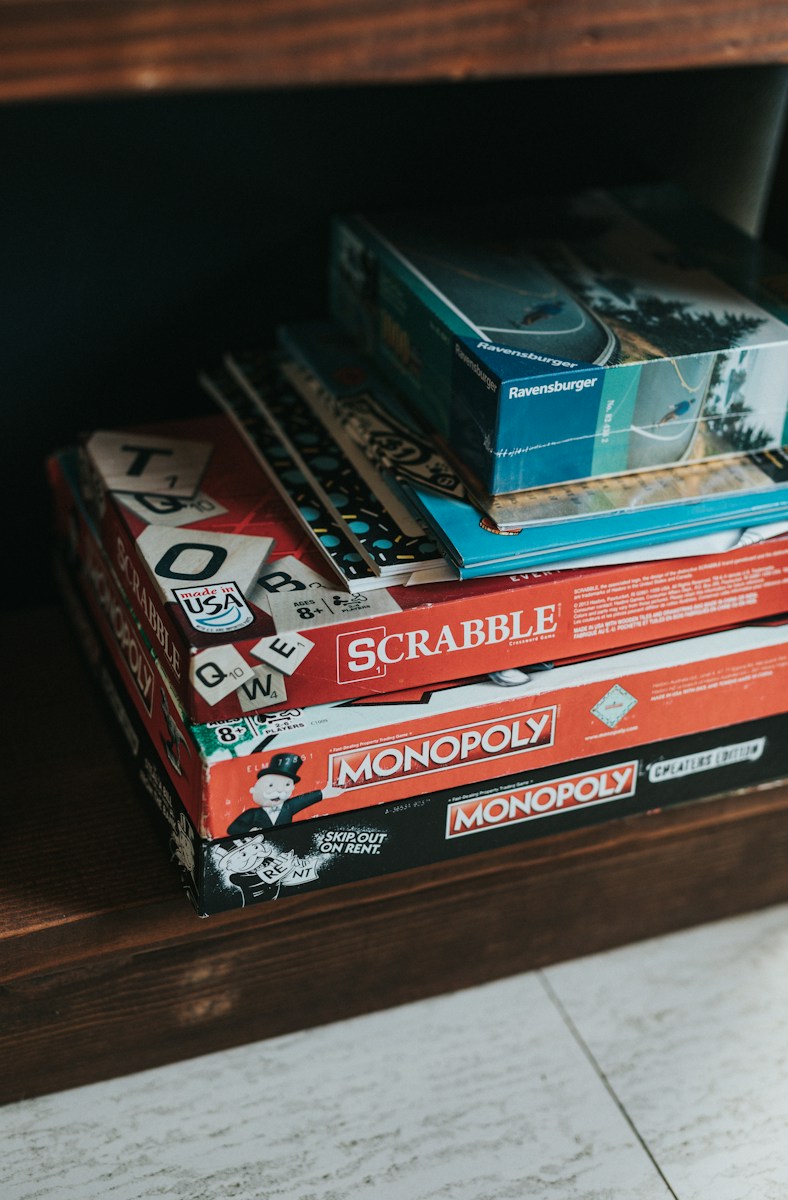
A worn box with a game board tucked inside doesn’t scream valuable, but a complete vintage board game with every card, piece, and instruction sheet intact is genuinely hard to come by. Games from the 1960s and 1970s were played hard and often lost pieces long before they ever reached a donation pile, so a set that survived intact, especially one tied to a short-lived TV show or an early edition of a beloved title, can be a real prize for collectors who display and play these games as pieces of pop culture history. Collector pricing resources note that most complete vintage games sell in the $15 to $50 range, while rarer or novelty titles in excellent box condition can reach well over $100. It’s always worth opening the box before deciding it’s not worth the shelf space.
Polaroid SX-70 Cameras
An old folding camera with a leather-look body and a strange accordion front might look like obsolete electronics destined for the recycling bin, but the Polaroid SX-70 has become one of the most desirable instant cameras among photography enthusiasts. Introduced in 1972, the SX-70 was a genuine engineering marvel for its time, folding flat and using a single-lens reflex viewfinder that was ahead of its era, and the renewed availability of compatible instant film has brought a wave of new collectors to the hunt. Camera price guides show working SX-70 models typically selling for $75 to $200, with pristine examples of rarer color variants bringing more. A quick test to see if the bellows still folds properly is worth doing before walking away.
Fiestaware in Rare Colors
Bright, thick, and often mismatched, a stack of colorful ceramic plates in a thrift store can look like nothing more than mismatched hand-me-downs. But original Fiestaware, produced by the Homer Laughlin China Company starting in 1936, is instantly recognizable by its concentric ring design, and certain original glaze colors that were only produced for a few years are genuinely scarce today. Marketplace listings for rare vintage Fiesta pieces show common colors and shapes selling for $15 to $40, while original red, medium green, or discontinued shapes like the two-pint jug can bring well over $100 apiece. Flipping a plate over to check the maker’s mark takes only a second and can completely change how you look at that stack of dishes.
Vintage Kenner Star Wars Action Figures
A loose plastic figure with faded paint and a missing accessory is easy to mistake for a modern dollar-store toy, but original Kenner Star Wars figures from 1977 to 1985 remain some of the most actively traded collectibles from American childhood. Early figures, variant paint jobs, and anything still carrying its original weapon or accessory command serious attention from collectors who grew up with the films. Dedicated price guides for vintage Kenner figures show loose common figures typically selling for $10 to $30, while rare early releases and figures with original accessories intact can bring well over $100. Checking a figure’s back stamp for its copyright year is a habit worth picking up before tossing it back in the toy bin.

Leave a Reply